



Save Money with Pressure Compensating Emmitters
Table of Contents
Pressure compensating drip emitters (also known as PC drip emitters) help every plant receive a more consistent amount of water, even when your drip system runs across hillsides, long tubing runs, or areas with changing pressure.
Whether you’re watering shrubs on a slope or maintaining a large landscape, the right pressure compensating drip emitters can reduce dry spots, prevent overwatering, and keep water flowing more evenly from the first emitter to the last.
Find the Right Pressure Compensating Drip Emitter
Every landscape has different watering needs, and selecting the right emitter helps deliver water where it’s needed most. Pressure compensating emitters are the best choice for landscapes with elevation changes of about five feet or more, such as substantial slopes or hills, but they also perform well on flat yards where consistent watering is beneficial.
On the flip side, PC emitters aren’t recommended for very low-pressure systems, such as rain barrels or other gravity-fed water sources, and higher-flow models can be paired with diffusers to help spread the water stream and reduce soil erosion around plant roots.
Below, you’ll find the most common types of drip irrigation emitters and where each one performs best.
1: What Are Pressure Compensating (PC) Emitters?
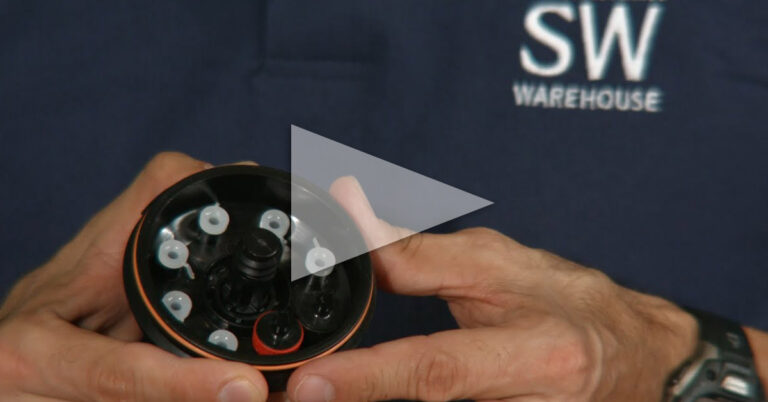
Pressure compensating (PC) emitters are designed to deliver nearly the same flow rate across a range of operating pressures. Inside each emitter is a flexible diaphragm that automatically adjusts to pressure changes, helping maintain consistent water output.
- Consistent Watering: Each emitter delivers approximately the same amount of water even if pressure varies throughout the irrigation zone.
- Ideal for Slopes: They work especially well when watering landscapes with more than about five feet of elevation change.
- Better Plant Health: Uniform watering helps prevent some plants from receiving too much water while others receive too little.
- Longer Irrigation Runs: They improve consistency across longer lengths of drip tubing where pressure naturally drops.
2: When Do You Need Pressure Compensating Drip Emitters?
Not every landscape benefits from pressure compensation, but certain installations almost always do. Knowing when they’re necessary can help you avoid uneven watering and unnecessary costs.
- Sloped Landscapes: Use them when irrigation lines travel uphill or downhill.
- Large Irrigation Zones: They help maintain even flow over long tubing distances.
- Multiple Plant Types: Consistent flow makes it easier to water shrubs, trees, and flower beds evenly.
- Flat Yards: Standard emitters often work well if pressure remains consistent throughout the zone.
3: How Do You Choose the Right Flow Rate for Your PC Emitter?
Selecting the correct pressure compensating emitter depends on how much water your plants need rather than simply choosing the highest flow rate.
Match the flow rate to your landscape in order to improve the watering efficiency of your emitter by using the quick comparison chart below.
| Flow Rate | Best For | Typical Use |
| 0.5 GPH | Seedlings, annuals, small flowers | Slow, controlled watering for delicate plants |
| 1.0 GPH | Shrubs, perennials, vegetables | A versatile option for most landscape beds and gardens |
| 2.0 GPH | Large shrubs, small trees | Faster watering for established plants with greater water needs |
| 5 GPH | Trees and larger shrubs | High-volume watering where deeper root soaking is needed |
| 7 GPH | Trees and landscape beds | Suitable for plants requiring more water than standard emitters provide. |
| 7.5 GPH | Large shrubs and tree bubblers | Common on pressure compensating stream bubblers for wider coverage |
| 10 GPH | Mature shrubs and trees | Delivers higher flow for established landscapes |
| 12 GPH | Trees and specialty plantings | Provides additional volume for larger root zones |
| 18 GPH | Large trees | Ideal for deep watering around mature root systems |
| 24 GPH | Very large trees and specialty applications | The highest standard PC module flow rate for high-demand irrigation |
4. Are There Times You Shouldn’t Use PC Emitters?
Pressure compensating drip emitters perform well in most pressurized irrigation systems, but there are a few situations where another option may work better. Understanding these limitations helps you choose the right emitter from the start.
- Gravity-Fed Systems: Very low-pressure systems, such as rain barrels, may not generate enough pressure for PC emitters to operate correctly.
- Low-Pressure Installations: Standard drip emitters are often better suited for systems that never reach the emitter’s minimum operating pressure.
- Always Check Specifications: Verify the recommended pressure range before selecting any pressure compensating emitter.
PC Emitters: Reliable Watering Starts With the Right Emitter
Pressure compensating drip emitters make it easier to achieve consistent watering across challenging landscapes, especially where elevation changes or long tubing runs affect water pressure.
By choosing the correct flow rate and using pressure compensating drip emitters only where they provide a real benefit, you can improve irrigation efficiency, protect your plants, and build a drip system that performs reliably for years to come.
FAQs for Pressure Compensating Drip Emitters
Do I need pressure compensating drippers?
You may need pressure compensating drippers if your irrigation system covers a landscape with elevation changes of about five feet or more, such as a hillside or sloped yard. They help maintain consistent water output across the entire drip line, even when pressure changes between emitters. They can also be used in flat landscapes, although they may not provide as much of an advantage. Avoid using them with very low-pressure systems, such as gravity-fed drip irrigation from a rain barrel.
What does pressure compensating emitters mean?
Pressure compensating drip emitters are drip irrigation emitters designed to deliver a consistent flow rate despite changes in water pressure. A built-in mechanism adjusts the emitter output so plants receive a more uniform amount of water, making them ideal for long drip runs, uneven terrain, and areas where pressure naturally fluctuates.
What is a pressure compensating emitter for drip irrigation?
A pressure compensating emitter for drip irrigation controls water flow to provide even watering throughout a system. Instead of allowing emitters near the water source to release more water than those farther away, pressure compensating emitters help balance distribution so each plant receives the intended amount of moisture. They are commonly used for trees, shrubs, gardens, and landscapes where consistent watering is important.
Sprinkler Warehouse Has Everything For Your Irrigation Needs
So, your trees, lawn, flower beds, and gardens are lush and beautiful. Questions? Chat with one of our incredible customer service agents on Sprinkler Warehouse dot com. They really know their stuff and they will get you squared away. Subscribe to our YouTube channel for helpful tips, tutorials, and general sprinkler instruction. For Sprinkler Warehouse, I’m Adrian Sanchez, your Sprinkler Warehouse Pro.