




Sprinkler Warehouse’s Guide to the Perfect Commercial Drip Irrigation System
Table of Contents
Commercial drip irrigation systems help landscapes stay healthy while reducing water waste, labor, and maintenance costs.
From rows of colorful downtown planters and shopping center landscapes to nurseries and business campuses, water is delivered directly to the root zone where plants need it most, keeping foliage vibrant while minimizing runoff, overspray, and evaporation.
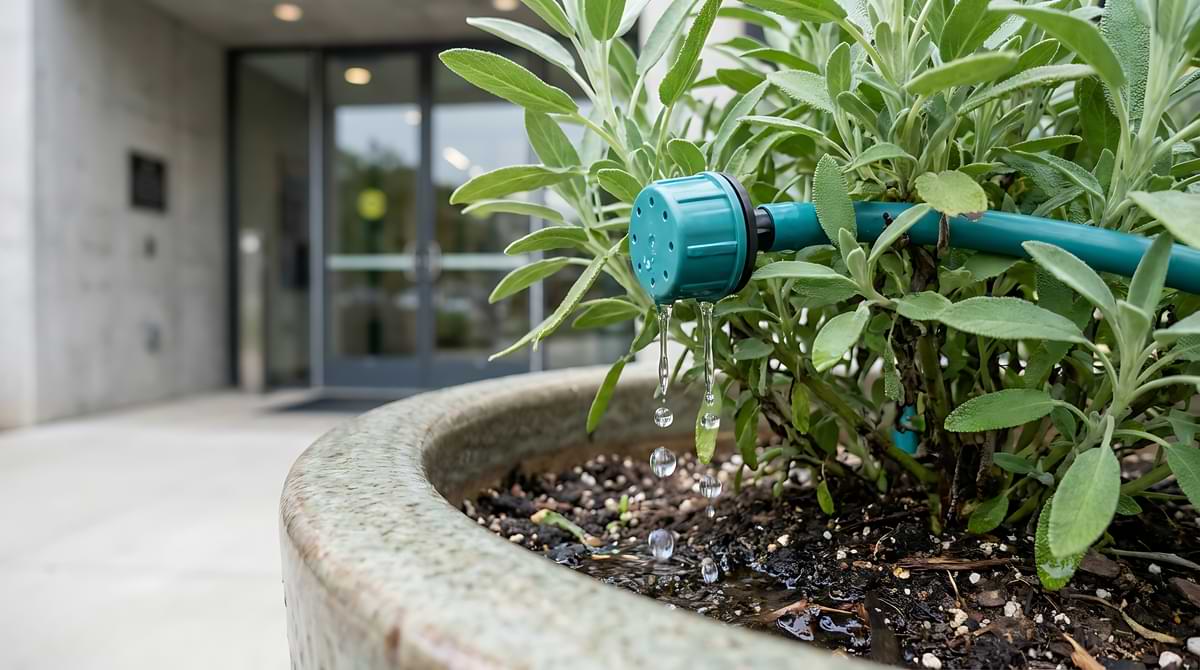
Commercial Drip Irrigation Systems for Every Landscape
Commercial drip irrigation is flexible enough to support a wide range of landscape designs and growing environments. Choosing the right layout and components helps maximize efficiency while keeping maintenance manageable.
Benefits of a Commercial Drip Irrigation System
A properly designed commercial drip irrigation system does more than conserve water. It also improves plant health while reducing the time and expense required to maintain commercial landscapes.
- Water Savings: Drip irrigation can reduce water use by up to 70% compared to traditional overhead watering by applying water directly to the soil.
- Reduced Overspray: Water stays within planting areas instead of soaking sidewalks, buildings, or parked vehicles.
- Lower Labor Costs: Automated watering schedules reduce the need for manual watering and frequent maintenance visits.
- Healthier Plants: Consistent moisture encourages stronger root development while reducing plant stress.
- Cleaner Landscapes: Targeted watering helps limit runoff, erosion, and weed growth between planting areas.
Common Commercial Applications
Commercial drip irrigation supplies can be adapted for nearly any landscape where precise watering is important. The right design depends on the plants, layout, and water source.
- Commercial Planters: Keep decorative pots watered without daily hand watering.
- Business Landscapes: Irrigate shrubs, flower beds, and landscape islands efficiently.
- Municipal Projects: Support streetscapes, medians, and public gardens with minimal water waste.
- Nurseries and Garden Centers: Deliver consistent moisture across large numbers of container plants.
- Apartment and HOA Properties: Maintain attractive common areas while controlling water costs.
How Commercial Drip Irrigation Is Installed
Installing a commercial drip irrigation system is straightforward when you plan accordingly. A few carefully selected components will set yourself up for a reliable watering network that can expand as landscapes grow.
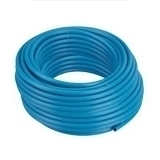
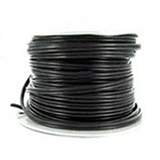
- Mainline Tubing: Install polyethylene tubing to distribute water throughout the irrigation zone.
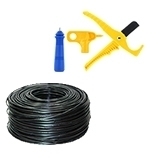
- Branch Tubing: Connect 1/4-inch tubing from the mainline to each planter or planting area using barbed fittings.
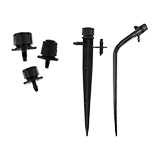
- Emitters: Install drip emitters, manifolds, or micro sprays that match each plant’s watering requirements.
- Pressure Regulation: Include a pressure regulator and filter to protect emitters from excessive pressure and debris.
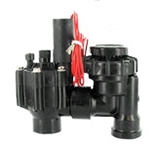
- Controller: Automate watering schedules with an irrigation controller for consistent performance.
Commercial Drip Irrigation System Components at a Glance
Commercial landscapes often contain dozens or even hundreds of planting areas. Selecting the proper components helps maintain even water distribution across the entire system.
| Commercial Drip Irrigation Supply | Primary Purpose | Best For |
| Polyethylene Mainline Tubing | Carries water throughout the system | Large planting areas |
| 1/4-Inch Distribution Tubing | Delivers water to individual plants | Containers and planters |
| Barbed Connectors | Connect tubing sections securely | Expanding systems |
| Drip Emitters | Apply water directly to roots | Individual plants |
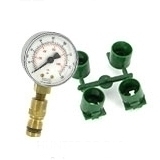
| Pressure Regulator | Maintains proper operating pressure | Protecting emitters |
| Filter | Prevents debris from clogging emitters | Long-term reliability |
| Irrigation Controller | Automates watering schedules | Commercial properties |
Commercial Drip Irrigation Supplies at Sprinkler Warehouse
Commercial drip irrigation systems provide an efficient way to maintain healthy landscapes while reducing water use, overspray, and maintenance demands.
With quality commercial drip irrigation supplies, proper installation, and a design tailored to your property, businesses can keep planters, flower beds, and landscaped areas thriving season after season.
FAQs for Commercial Drip Irrigation Systems
How much water can commercial drip irrigation save?
Commercial drip irrigation can save up to 70% of the water used by traditional watering methods, depending on the system design, plant types, and application. By delivering water directly to the root zone, drip irrigation reduces overspray, evaporation, and runoff while helping commercial properties maintain healthy landscapes.
What is the best drip irrigation system for commercial landscapes?
The best commercial drip irrigation system depends on the size and layout of the property, the plants being watered, and the available water pressure. A typical system may include a filter, pressure regulator, mainline tubing, distribution tubing, emitters, and an irrigation controller to deliver consistent water throughout the landscape.
How do you install a commercial drip irrigation system?
To install a commercial drip irrigation system, connect a filtered and pressure-regulated water source to the mainline tubing, then run distribution tubing to individual plants or planting areas. Install the appropriate drip emitters, secure the tubing, and program a controller to provide consistent watering based on the landscape’s needs.
If you want to stay up-to-date on the latest Sprinkler Warehouse news and make the most of all of our one-of-a-kind promotions, join the Irri-Gator community today. Happy watering, Irri-Gators!