



Get to the “Root” of Water Saving with a Drip Irrigation System
Drip irrigation basics start with understanding how water can move quietly and efficiently through a landscape, delivering moisture exactly where plants need it most. From backyard vegetable gardens to commercial growing operations, drip irrigation helps conserve water, reduce waste, and create healthier growing conditions.
Table of Contents
How Drip Irrigation Works
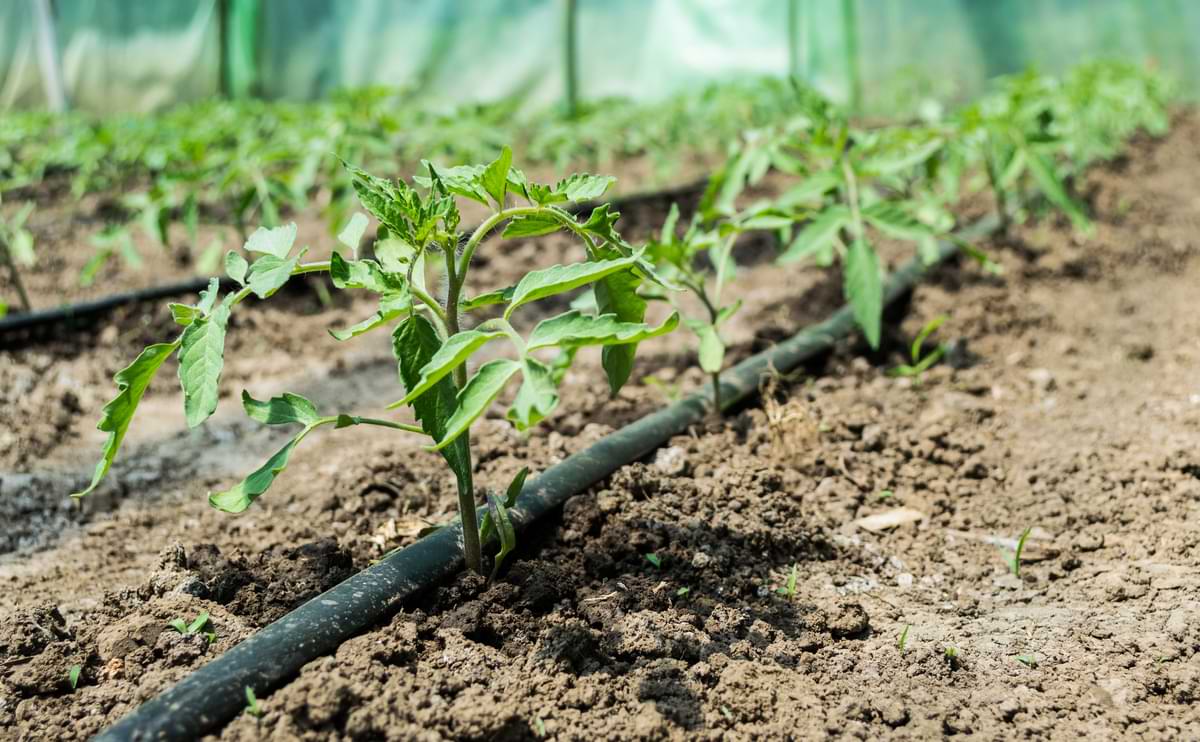
Drip irrigation works by delivering water slowly and directly to the soil at or near the plant’s root zone instead of spraying it through the air like traditional sprinkler systems.
Water moves through a network of tubing and is released in small, controlled amounts right at the base of each plant, allowing the soil to absorb moisture gradually and evenly. This steady, low-volume application creates a predictable watering pattern that supports consistent soil conditions without overwhelming the surrounding area.
What Are the Benefits of Drip Irrigation?
By focusing delivery at the root level, drip systems avoid the inefficiencies and inconsistencies common in overhead irrigation methods, where wind, evaporation, and uneven spray patterns can reduce effectiveness.
The result is a more controlled irrigation process that keeps moisture where it matters most while minimizing unnecessary water loss across the landscape.
- Water Conservation: Many drip systems achieve efficiency rates exceeding 90% by minimizing evaporation, wind drift, and surface runoff during irrigation cycles.
- Fewer Weeds: Targeted watering keeps surrounding soil between plants drier, which reduces weed germination and limits unwanted plant growth.
- Disease Prevention: By keeping foliage dry and focusing moisture at the soil level, drip irrigation reduces the conditions that commonly lead to fungal and bacterial plant diseases.
- Better Nutrient Retention: Slow, controlled watering helps nutrients remain in the root zone instead of being washed deeper into the soil through excessive leaching.
- Adaptability: Drip irrigation systems can be configured to perform effectively across a wide range of landscapes, including slopes, irregular planting areas, gardens, orchards, and raised beds.
When to Use Drip Irrigation
Drip irrigation can benefit nearly any landscape, from small residential gardens to larger agricultural installations, thanks to its efficient and targeted water delivery.
But there are certain conditions where drip irrigation performs especially well and provides a clear advantage over traditional watering methods.
- Water Restriction Compliance and Conservation Needs: Drip irrigation is highly effective in areas with watering restrictions because it delivers water directly to plant roots with minimal waste, helping users stay compliant while maintaining healthy landscapes.
- Drought Conditions and Dry Climate Performance: In drought or extended dry periods, drip systems reduce overall water use while maintaining steady soil moisture, making them a dependable option for sustaining plant health under limited water availability.
- Gardens and Raised Bed Cultivation: Drip irrigation is ideal for gardens and raised beds because it provides precise, targeted watering that supports plant growth while reducing weeds and preventing overwatering in confined spaces.
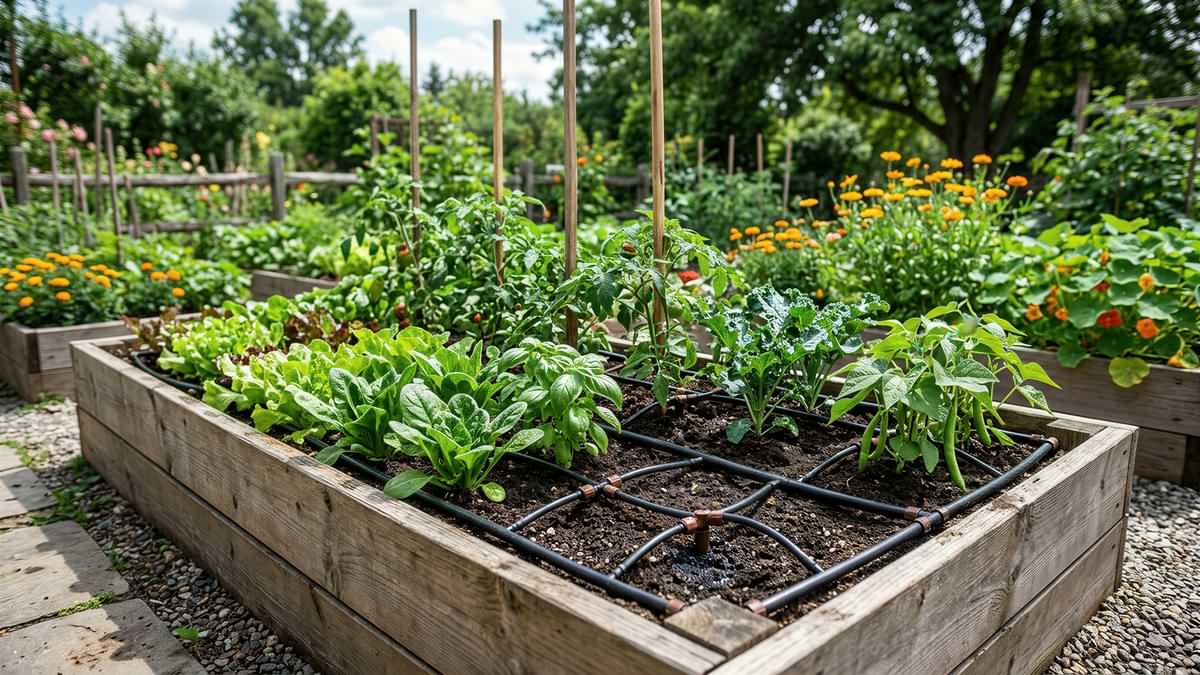
- Landscape Beds and Irregular Planting Areas: Drip systems easily adapt to curved or irregular landscape beds by allowing flexible tubing placement that ensures consistent watering coverage across complex layouts.
- Trees and Shrubs with Established Root Zones: Drip irrigation supports trees and shrubs by delivering slow, deep watering directly to root zones, encouraging stronger root development and long-term plant health.
4 Common Types of Drip Irrigation Tubing
Different tubing styles are designed for different watering goals, whether you’re irrigating evenly spaced crop rows, individual landscape plants, container gardens, or densely planted beds.
Selecting the right tubing is one of the most important decisions when designing a drip irrigation system because the type of tubing you choose directly impacts water distribution, installation requirements, and long-term performance.
1: Emitter Tubing
Emitter tubing contains built-in emitters positioned at predetermined intervals, allowing water to be distributed evenly across planting areas. This makes emitter tubing an effective option for gardens, orchards, vineyards, and landscape beds where plants are arranged in predictable patterns.
- Consistent Water Distribution: Built-in emitters release water at uniform flow rates and spacing intervals, helping ensure that each plant receives a similar amount of moisture throughout the irrigation zone.
- Multiple Spacing Options: Emitter tubing is available with a variety of emitter spacings, including 6-inch, 12-inch, 18-inch, 24-inch, and larger intervals, allowing growers and homeowners to match water delivery to plant spacing and root zone requirements.
- Great for Rows: Because the emitters are evenly spaced along the tubing, emitter tubing is an excellent choice for vegetable gardens, orchards, hedgerows, and agricultural plantings where crops are planted in straight rows.
2: Distribution Tubing
Unlike emitter tubing, distribution tubing does not typically contain built-in emitters and instead functions as the primary transport line. The versatility of distribution tubing makes it an essential component in both simple residential systems and large-scale irrigation installations.
- Acts as the Main Highway: Distribution tubing carries water from valves, filters, and pressure regulators to the areas where irrigation devices and emitters are installed, ensuring water reaches every part of the system.
- Works with Multiple Devices: This tubing can be connected to drip emitters, micro-sprays, bubblers, misters, drip lines, and other irrigation components, making it highly adaptable for a wide range of watering applications.
- Available in Various Sizes: Distribution tubing is manufactured in several diameters to accommodate different flow rates, zone sizes, and system designs, helping maintain proper pressure throughout the irrigation network.
3: Soaker Hose and Drip Tape
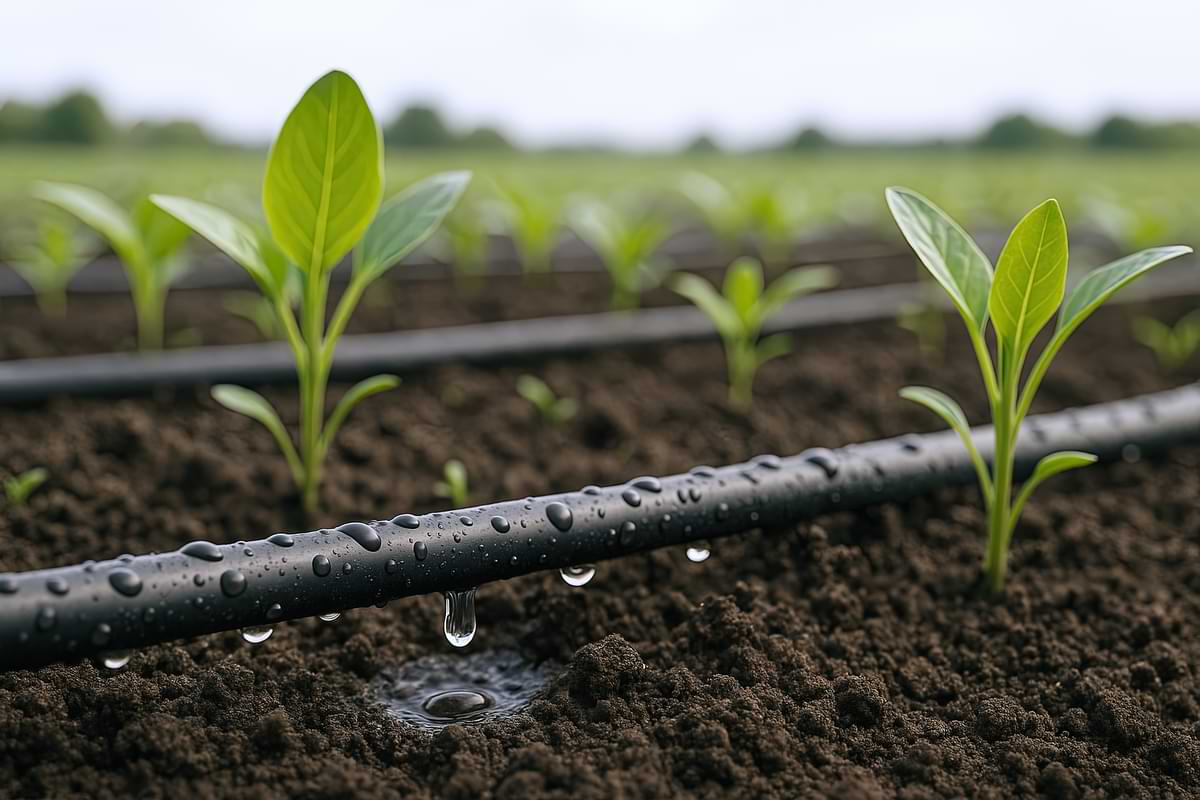
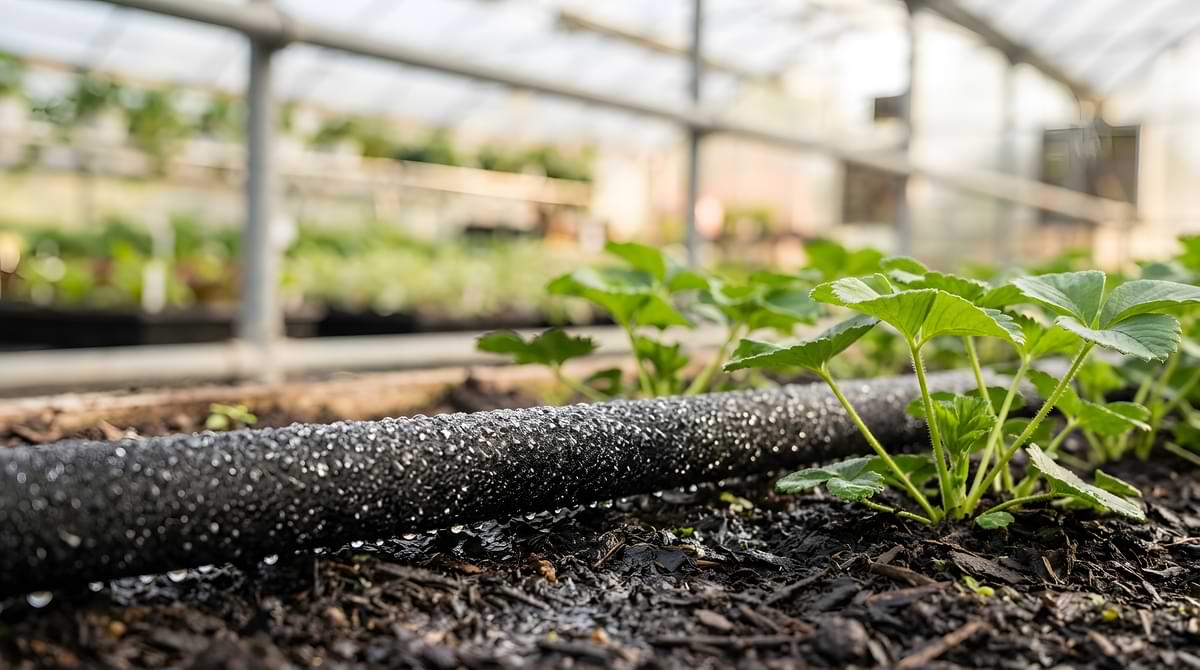
Soaker hoses and drip tape are designed to provide broad, low-volume watering across planting areas, although they are commonly used in different applications. Soaker hoses are especially useful when watering densely planted gardens, seasonal crops, or large beds with closely spaced plants.
- Soaker Hose: Made from porous materials that slowly release water through the walls of the hose, soaker hoses create a continuous moisture zone that benefits flowers, shrubs, and vegetable gardens.
- Drip Tape: Lightweight and economical, drip tape is frequently used in row-crop agriculture and seasonal gardens where efficient water delivery and easy replacement are priorities.
- Wide Coverage: Because water is dispersed across a larger area rather than at isolated points, both soaker hoses and drip tape can effectively irrigate tightly spaced plantings and long garden rows.
4: Micro Tubing
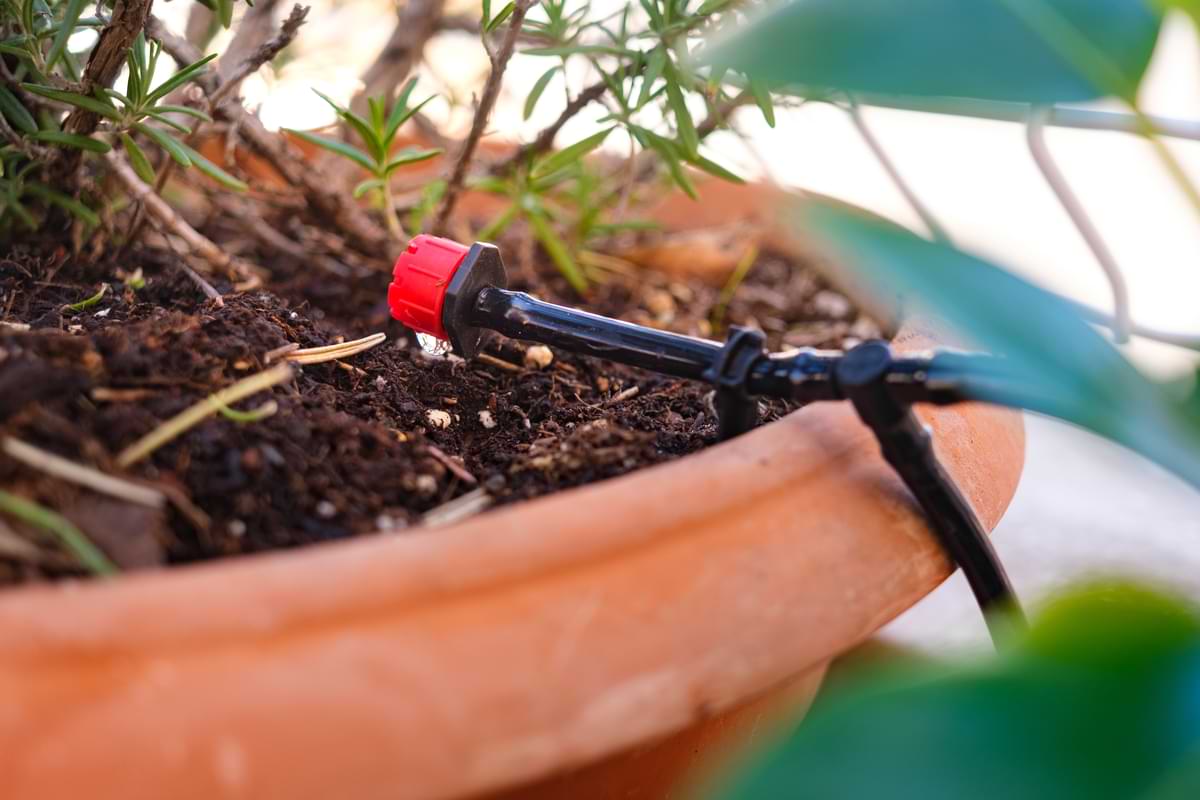
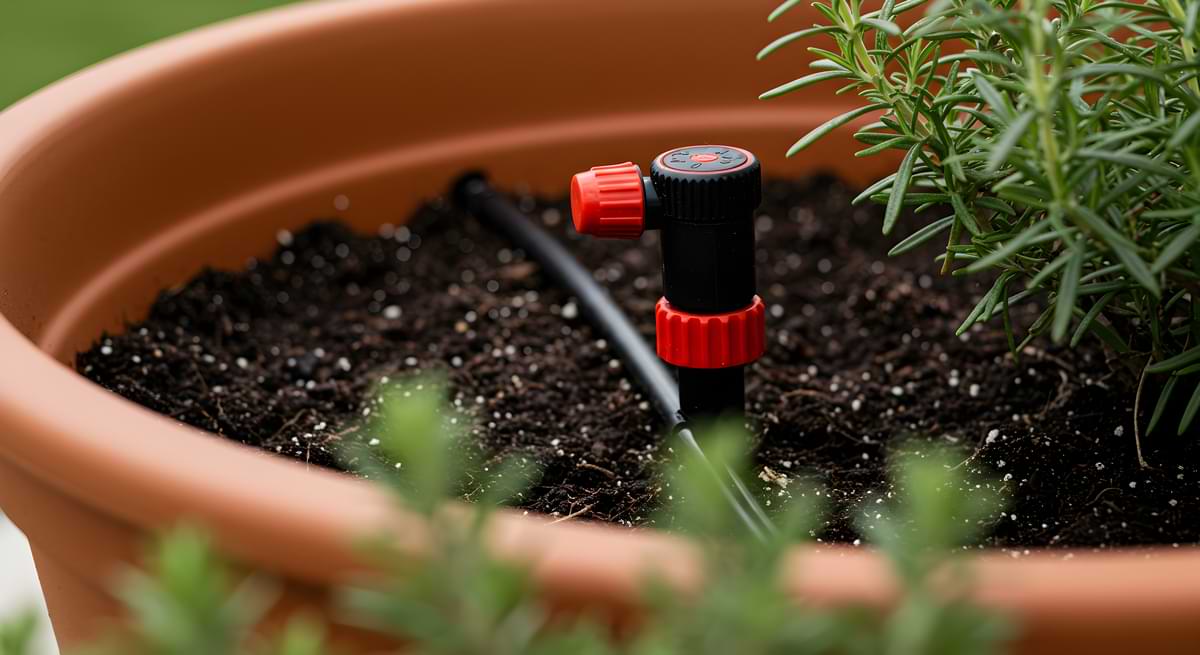
Micro tubing is available in small diameters such as 1/8-inch and 1/4-inch, allowing water to be routed exactly where it is needed. Its flexibility and ease of installation make it one of the most useful tools for customizing a drip irrigation system.
- Ideal for Containers: Micro tubing is commonly used to water potted plants, hanging baskets, container gardens, and greenhouse applications where targeted watering is essential.
- Flexible Routing: The small, flexible tubing can easily weave around landscape features, garden beds, and plant groupings to deliver water directly to specific root zones.
- Emitter Connections: Micro tubing is frequently paired with individual emitters, micro-sprays, and spot-watering devices, providing a simple way to customize water delivery for plants with unique watering needs.
Common Drip Irrigation Tubing Sizes
Choosing compatible tubing and fittings is one of the most important parts of building a reliable drip irrigation system because even small sizing differences can lead to leaks, loose connections, restricted flow, or blown fittings.
Unlike many plumbing components, drip irrigation tubing is available in several variations that may share the same nominal size while having different actual dimensions.
Before purchasing fittings or replacement parts, always verify both the inside diameter (ID) and outside diameter (OD) of your tubing to ensure a secure fit and trouble-free installation.
| Tubing Size | Common Use |
| 1/4-Inch Tubing | Micro tubing and emitter connections |
| 3/8-Inch Tubing | Small distribution applications |
| 1/2-Inch Tubing | Most residential drip systems |
| 3/4-Inch Tubing | Larger zones and mainlines |
| 1-Inch Tubing | Commercial and high-flow applications |
8 Essential Components of a Drip Irrigation System
Every drip system relies on several key components working together to deliver water efficiently and consistently.
Understanding the role of each component can help you design a system that performs reliably while minimizing maintenance issues.
1: Backflow Preventer
A backflow preventer is one of the most important safety devices in a drip irrigation system.
Backflow preventers stop contaminated water from flowing backward into your home’s potable water supply, helping protect drinking water from soil, fertilizers, and other contaminants that may come into contact with irrigation lines.
2: Pressure Regulator
Most municipal water supplies operate at pressures that are too high for drip irrigation.
A pressure regulator reduces incoming water pressure to levels that drip tubing, fittings, and emitters can safely handle, helping ensure uniform water delivery and reducing the risk of leaks or blowouts.
3: Filter
Because drip emitters have very small openings, even tiny particles can cause clogs over time.
A filter removes sediment, debris, and other contaminants from the water before they reach the irrigation lines, improving system performance and extending the life of emitters and valves.
4: Control Valve
The control valve serves as the gatekeeper for water flow throughout the system.
Whether operated manually or through an automatic irrigation controller, the valve allows you to start, stop, and schedule watering cycles for individual irrigation zones.
5: Drip Tubing and Fittings
Tubing forms the network that carries water from the source to each plant, while fittings connect and direct that flow throughout the system.
Properly matched tubing and fittings are essential for preventing leaks, maintaining pressure, and creating a layout that fits the needs of your landscape or garden.
6: Drip Emitters
Emitters are the devices responsible for delivering water directly to the root zone of plants.
Available in a variety of flow rates and styles, emitters help ensure plants receive the appropriate amount of water while minimizing runoff, evaporation, and waste.
7: Flush Valve or End Cap
A flush valve or end cap seals the end of a drip irrigation line and helps maintain proper water flow throughout the system.
Flush valves also make seasonal maintenance easier by allowing accumulated sediment and debris to be removed from the tubing when necessary.
8: Air Vent
Air vents help prevent air from becoming trapped inside irrigation lines during system operation.
Installed at high points within the system, they reduce the risk of vacuum conditions, improve water distribution, and help maintain consistent emitter performance.
Drip Irrigation Emitter Comparison Chart
Understanding how different drip irrigation emitters perform side by side makes it easier to match the right flow rate and emitter type to your soil, plants, and landscape conditions.
The chart below breaks down key differences in flow rate, best-use scenarios, and performance characteristics to help simplify system design decisions.
| Emitter Type | Flow Rate | Best Soil Conditions | Application | Benefit |
| 0.5 GPH Emitters | Low flow (0.5 gallons per hour) | Heavy clay soils with slow absorption rates | Sensitive plants, compact gardens, and areas prone to runoff | Reduces pooling and runoff by delivering water slowly for better soil absorption |
| 1.0 GPH Emitters | Moderate flow (1.0 gallon per hour) | Most common residential soil types | General landscaping, shrubs, flower beds, and vegetable gardens | Balanced performance across a wide range of soil and plant conditions |
| 2.0 GPH Emitters | High flow (2.0 gallons per hour) | Sandy or fast-draining soils | Larger plants, trees, and shrubs with higher water demand | Delivers increased water volume for quick-draining environments and deep-root watering |
| Pressure-Compensating Emitters | Consistent flow (varies by model) | Sloped terrain or variable pressure systems | Uneven landscapes, elevation changes, and long drip runs | Maintains uniform water output regardless of pressure fluctuations in the system |
| Standard Emitters | Fixed flow (varies by rating) | Flat, level landscapes with stable pressure | Basic residential drip systems and simple irrigation layouts | Cost-effective option for consistent watering in low-complexity systems |
Rules of the Rows: Design a Reliable System
Every drip irrigation system is governed by basic hydraulic principles that determine how far water can travel, how evenly it is distributed, and how much pressure is available at each emitter.
When those limits are ignored or exceeded, the system can suffer from uneven watering, pressure loss, and inconsistent performance across different zones and plant types.
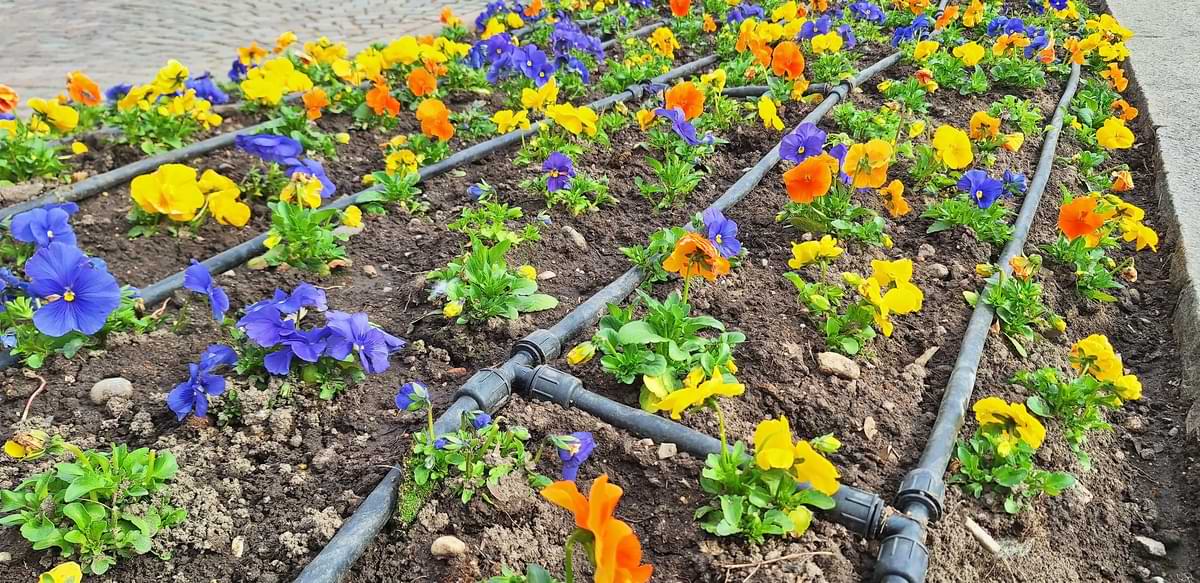
- Keep Lateral Runs Manageable: Most drip tubing performs best when runs stay within manufacturer-recommended lengths because excessive distance can lead to reduced pressure and uneven water distribution across emitters.
- Avoid Excessive Mainline Lengths: Longer mainline runs increase friction loss throughout the system, which can reduce overall pressure and cause inconsistent performance at the far end of irrigation zones.
- Design by Zone: Separate plants based on their watering needs so each zone can operate independently with appropriate flow rates, timing, and emitter types for optimal efficiency.
- Account for Elevation Changes: Use pressure-compensating emitters when elevation differences exceed approximately five feet to maintain consistent flow rates across slopes and uneven terrain.
- Balance Flow Rates: Ensure the total emitter demand does not exceed available system pressure so that water is distributed evenly from the beginning of the line to the end.
- Match Tubing and Fittings: Even slight mismatches in tubing diameter and fitting size can create leaks, reduce pressure efficiency, or cause fittings to blow out under load.
- Install Flush Points: Include flush valves or accessible end points to allow periodic clearing of sediment and debris that can accumulate inside tubing over time.
- Filter Everything: Always use proper filtration because clogged emitters are one of the most common causes of drip irrigation failure and inconsistent watering performance.
Typical Mainline and Lateral Sizing Guidelines for Drip Tubing Irrigation
Proper pipe sizing helps maintain consistent pressure throughout the system. Larger flows generally require larger mainline diameters.
| Flow Rate (GPM) | Recommended Mainline |
| 0–3 | 1/2″ |
| 3–6 | 3/4″ |
| 6–10 | 1″ |
| 10–20 | 1-1/4″ |
| 20–30 | 1-1/2″ |
Basic Drip Irrigation Installation Steps
Installing a simple drip irrigation system is often easier than many homeowners expect. Careful planning and proper component selection are the keys to success.
1: Install Backflow Protection
Install a backflow preventer at the water source to protect your home’s potable water supply from potential contamination to ensure that irrigation water cannot flow backward into the main water line.
It is a critical first step for both safety and code compliance in most irrigation systems.
2: Add Filtration and Pressure Regulation
Add a filter and pressure regulator to the system to protect emitters and maintain consistent operating conditions so that you can remove sediment and debris that could clog small emitter openings over time.
The pressure regulator ensures water pressure stays within the optimal range for drip irrigation performance.
3: Lay Out Drip Tubing
Lay out the drip tubing according to your irrigation design before making any permanent connections so that you can visualize coverage and make adjustments for plant spacing, terrain, and layout efficiency.
Proper planning at this stage helps prevent water distribution issues later in the system.
4: Secure Drip Tubing
Secure the tubing in place using landscape stakes to keep lines stable and properly positioned so that you prevent movement caused by water pressure, foot traffic, or environmental conditions.
Keeping tubing anchored also helps maintain consistent emitter placement near plant root zones.
5: Install Drip Irrigation Fittings and Drip Emitters
Install all fittings and emitters according to your design, ensuring each connection is tight and properly seated so that you can determine how accurately water is delivered throughout the system.
Careful installation will help prevent leaks, uneven flow, and long-term maintenance issues.
6: Cap the Ends
Cap the ends of each drip line using end caps or flush valves to control water flow through the system and ensure pressure is directed through the emitters rather than escaping at open ends.
Flush valves also allow the system to be cleaned periodically to remove buildup.
7: Test the Drip Irrigation System
Run water through the entire system and inspect each zone for leaks, pressure inconsistencies, or clogged emitters. This test run helps identify installation issues before the system is fully relied on for irrigation.
Make adjustments as needed to ensure even and efficient water distribution.
Drip Irrigation Basics: A Smarter Drip Irrigation System
Drip irrigation remains one of the most efficient watering methods available for homeowners and professionals alike.
By selecting the proper tubing, emitters, filters, and system layout, you can create a water-saving irrigation solution that supports healthier plants, lower water bills, and long-term landscape success.
FAQs for Drip Irrigation Basics
What are common drip irrigation mistakes?
Common drip irrigation mistakes include using the wrong tubing size, skipping a pressure regulator, overloading a zone with too many emitters, and failing to flush the system regularly, all of which can lead to uneven watering, leaks, or poor system performance. These issues often show up as dry spots or inconsistent plant growth if not corrected early.
Is 30 psi too high for drip irrigation?
Yes, 30 psi is generally too high for most drip irrigation systems, since they typically operate best around 10–25 psi, and exceeding that range can cause fittings to blow off, tubing damage, or uneven emitter output. Installing a pressure regulator helps keep the system within a safe operating range.
What happens if the emitters are blocked?
When emitters are blocked, water flow is reduced or completely stopped at that point, leading to dry plants or uneven irrigation, and they usually need to be cleaned, flushed, or replaced to restore proper performance. Regular maintenance and filtration can help prevent clogging from debris or mineral buildup.
If you want to stay up-to-date on the latest Sprinkler Warehouse news and make the most of all of our one-of-a-kind promotions, join the Irri-Gator community today. Happy watering, Irri-Gators!