




How to Use Dripline Tubing for Trees & Shrubs
Table of Contents
Tree drip irrigation systems deliver slow, consistent water directly to the root zone where both deep-rooted trees and smaller ornamental shrubs actually take in moisture.
By controlling placement, flow rate, and spacing, irrigation can be tailored to support everything from newly planted shrubs to established landscape trees while reducing runoff and surface evaporation.
Install a Tree Drip Irrigation System in 3 Steps
Installing drip irrigation systems for trees and shrubs starts with reading the landscape: how water moves through the soil, where roots spread, and how different plant sizes demand different amounts of moisture.
Each step builds a system that delivers steady, efficient watering across mixed plantings without overwatering or dry pockets.
1: Plan Your Shrub & Tree Drip Irrigation System Layout
Start by mapping each tree and shrub based on canopy spread, spacing, and soil type.
Proper layout ensures water reaches active root zones instead of pooling at the surface or missing feeder roots entirely.
- Layout Planning: Drip emitters should be placed around the drip line for trees and evenly distributed around shrub clusters to ensure uniform soil moisture and balanced root development.
- Soil Assessment: Sandy soils typically require more frequent emitter placement with lower output, while clay soils benefit from slower application rates to prevent pooling and saturation issues.
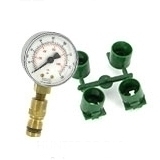
- Pressure Check: System pressure should remain within recommended operating range to maintain even distribution across both tree and shrub zones without emitter blowouts or weak coverage areas.
2: Check Recommended Watering Rates for Shrubs & Trees
Flow rate selection determines how effectively trees and shrubs absorb water over time.
Matching emitter output and quantity to plant size helps maintain consistent moisture without stressing roots or wasting water.
| Tree Size | Emitters Per Tree | Flow Rate Per Emitter |
| Shrubs (Small to Medium) | 1–3 | 0.5–1 GPH |
| Large Shrubs / Ornamental Bushes | 3–5 | 1–2 GPH |
| Trees (Sapling to Mature) | 2–8 | 0.5–4 GPH |
Quick Tip: Emitters placed slightly beyond the outer edge of shrubs and tree canopies encourage roots to expand outward, improving drought tolerance and long-term plant stability.
3: Install Emitters & Dripline Tubing Irrigation for Trees & Shrubs
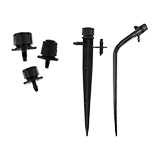
Installation begins by running dripline or main tubing through planting beds, then connecting emitters at measured intervals based on plant size and spacing.
Careful placement ensures water reaches both shallow shrub roots and deeper tree systems efficiently.
- Tubing Placement: Tubing should follow natural planting lines, staying flexible enough to curve around shrubs and trees without sharp bends that restrict water flow.
- Emitter Spacing: Shrubs typically require tighter spacing, while trees need wider, more targeted placement to match expanding root zones and canopy size.
- Secure Connections: Barbed fittings and secure clamps help prevent leaks, maintain steady pressure, and keep the system stable through seasonal expansion and contraction.
Tree Drip Irrigation Systems: Long-Term Care & Watering Results
Tree drip irrigation systems create a balanced watering approach for mixed landscapes where trees and shrubs share the same irrigation system.
When placement, flow rates, and installation are aligned with plant size and soil conditions, both deep-rooted and surface-rooted plants receive the consistent moisture they need for long-term health and resilience.
FAQs for Tree Drip Irrigation Systems
What is the best irrigation system for trees?
The best irrigation system for trees is typically drip irrigation because it delivers slow, deep watering directly to the root zone where trees absorb moisture most effectively. Unlike sprinklers that lose water to evaporation and runoff, drip systems encourage deeper root growth and improve long-term drought tolerance. A well-designed tree drip system can be adjusted over time as the tree matures, making it one of the most efficient and adaptable options for landscape irrigation.
Can drip irrigation be used for trees?
Drip irrigation is well-suited for trees and is widely used in both residential and commercial landscapes. It allows water to be applied gradually around the drip line, matching how tree roots naturally expand outward in search of moisture. When properly installed with the right emitter spacing and flow rate, drip irrigation supports healthy establishment, reduces water waste, and performs reliably across different soil types.
What size drippers for trees?
Most trees perform well with drippers ranging from 0.5 to 4 gallons per hour (GPH), depending on their size and maturity. Young trees usually need lower flow emitters with fewer total points, while mature trees require multiple higher-flow drippers distributed around the canopy edge. The goal is even coverage in the root zone rather than high pressure in one spot, which helps maintain consistent soil moisture without overwatering.
If you want to stay up-to-date on the latest Sprinkler Warehouse news and make the most of all of our one-of-a-kind promotions, join the Irri-Gator community today. Happy watering, Irri-Gators!