



Table of Contents
Summer sprinkler system maintenance becomes especially important in late August, when months of heat, mowing, foot traffic, and watering can expose hidden problems. Shifted sprinkler heads, clogged nozzles, and leaks can reduce coverage, waste water, and stress out your lawn.
The good news? A late-summer checkup helps you catch these issues early on, make necessary adjustments, and keep your landscape properly watered through the rest of the season.
Summer Sprinkler System Maintenance: Time for a Tune-Up!
Late summer is a good time to take stock of how your sprinkler system has held up after months of regular use. Heat, mowing, shifting soil, and repeated watering can expose your system’s worn components, your lawn’s uneven coverage, and your watering schedules that no longer match your landscape’s needs.
Rather than taking the system apart or starting from scratch, use this sprinkler system tune-up to find those trouble spots, make the proper tweaks, and keep your irrigation system working efficiently through the final stretch of summer.
1: Check Your Sprinkler System’s Performance
To start, take a quick look at your sprinkler system’s overall performance and note anything that seems out of the ordinary. Follow the checklist below to flag potential trouble spots and determine which areas deserve a closer inspection.
| Check | What To Look For | Action |
| Sprinkler Heads | Clogs, damage, poor alignment | Clean or adjust |
| Lines and Fittings | Leaks or wet spots | Repair connections |
| Spray Coverage | Dry areas or overspray | Reposition heads |
| Sprinkler Controller | Outdated run times | Update schedule |
| Drip System | Clogged emitters or leaks | Clean or replace |
| Watering Results | Puddling or stressed grass | Adjust irrigation |
2: Inspect Every Zone for Leaks and Damage
Once you’ve identified areas that need attention, run each irrigation zone individually and inspect it more closely. Look for leaks, damaged components, uneven spray patterns, and other issues that may not be obvious during a quick system-wide check.
- Watch for Leaks: Look for soggy spots, bubbling water, unexpected puddles, or water spraying from fittings and connections.
- Check Sprinkler Heads: Look for cracked, broken, tilted, buried, or missing heads that could interfere with watering coverage.
- Inspect Drip Components: Check drip tubing, emitters, sprayers, and fittings for leaks, clogs, or damaged connections.
3: Clean and Realign Sprinkler Heads
Once you’ve identified problem areas, turn your attention to the sprinkler heads themselves. Weeks of mowing, growing grass, shifting mulch, and summer debris can leave heads blocked or pointed in the wrong direction, so a quick cleanup and adjustment can restore the coverage your lawn needs.
- Clear Obstructions: Remove grass, mulch, and soil that prevent heads from popping up or spraying properly.
- Clean Nozzles: Rinse clogged nozzles and filter screens with clean water to remove debris.
- Correct Spray Patterns: Adjust heads so water reaches the lawn and landscape instead of sidewalks, driveways, patios, or other hardscapes.
4: Check Your Controller and Watering Schedule
With the hardware working properly, take a look at the sprinkler controller settings that determine when and how long your system runs. Your lawn has spent months responding to changing heat, rainfall, and growing conditions, so the schedule that worked earlier in summer may no longer be the best fit.
- Review Run Times: Adjust watering duration based on current heat, rainfall, soil conditions, and plant needs.
- Check Start Times: Schedule watering during the early morning when evaporation and wind are generally lower.
- Test Each Zone: Manually activate each zone from the controller to confirm valves and sprinklers respond correctly.
5: Flush and Check System Components
Even when sprinkler heads look clean and your controller is working correctly, debris can still be hiding inside the system. Flushing the lines and checking key components helps clear buildup before it restricts the water flow or creates uneven coverage.
- Flush Lines: Briefly run your irrigation zones with the nozzles removed when you need to clear debris buildup.
- Clean Filters: Rinse the filter screens and remove any sediment that could restrict water flow.
- Check Pressure: Look for any unusually weak sprays, misting, or inconsistent coverage that could be signs of a water pressure problem.
6: Look for Dry Spots and Overwatering
Now that your system is clean, adjusted, and running on an appropriate schedule, let the landscape tell you how well those changes are working. Dry patches and soggy areas are both signs that water isn’t being distributed as evenly as it should.
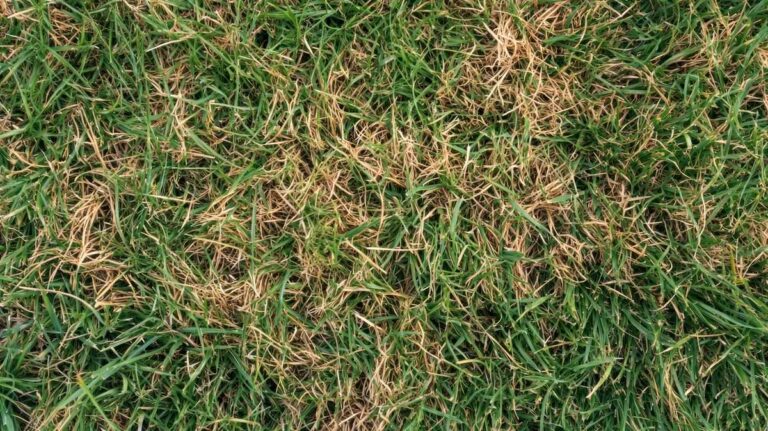
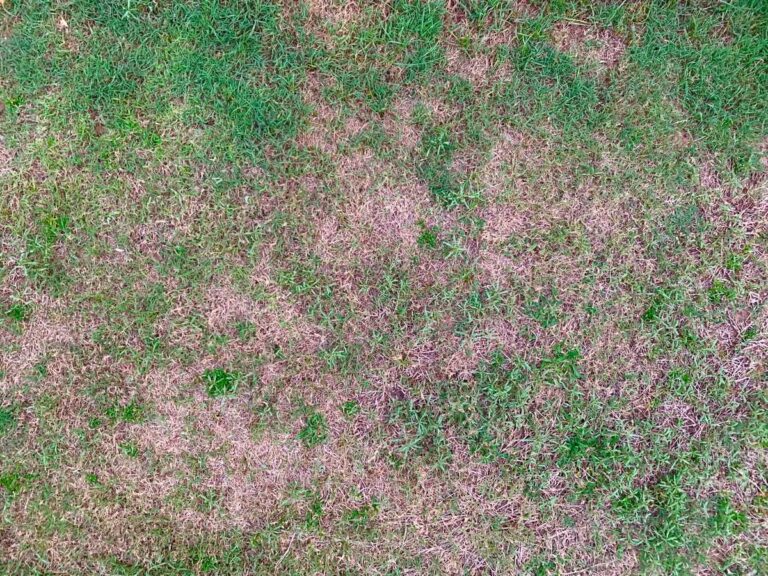
- Find Dry Areas: Brown patches or consistently wilted plants can indicate poor coverage, clogged heads, or insufficient run time.
- Watch for Overwatering: Standing water, runoff, yellowing grass, and fungal growth can indicate that you’re applying more water than the landscape needs.
- Adjust by Zone: Change watering based on sun exposure, soil conditions, plant type, and local weather.
7: Make End-of-Summer Adjustments
By this point, you should have a much clearer idea of what your sprinkler system needs to finish the season strong. Take care of the remaining repairs and fine-tune the system now so that small problems don’t turn into bigger irrigation issues as summer comes to a close.
- Replace Worn Parts: Swap out damaged heads, nozzles, emitters, fittings, or other components that aren’t performing correctly.
- Fine-Tune Coverage: Recheck the repaired zones to make sure that water is reaching the intended areas.
- Monitor Performance: Keep looking out for any leaks, dry spots, and inefficient watering as summer winds down.
Summer Sprinkler System Tune-Up: Finish the Season with a Better-Running System
A late-summer sprinkler system tune-up helps catch the small problems that can develop after months of heat, mowing, watering, and changing weather. Inspect each irrigation zone, clean and realign the sprinkler heads, clear any backed-up debris, and adjust your watering schedule so that your system runs efficiently through the end of summer.
A little attention now helps your lawn irrigation system finish the season with more consistent coverage, better efficiency, and less unnecessary water waste.
FAQs for Summer Sprinkler System Tune-Up
How often should a sprinkler system be serviced?
Give your sprinkler system a basic inspection at least once each season, with additional checks during periods of heavy use. A more thorough service should address sprinkler heads, nozzles, valves, leaks, filters, pressure, and controller settings.
How often should I run my sprinkler system in the summer?
Most lawns need deep, infrequent watering about 2 to 3 times per week during summer, but the ideal schedule depends on rainfall, soil type, grass type, and local conditions. Adjust the sprinkler run times as needed to provide consistent moisture without causing runoff or standing water.
How often should you water grass in 100-degree weather?
During 100-degree weather, your lawn may need more water than usual, but avoid automatically watering every day. Start with 2 to 3 deep watering sessions per week, then increase duration or frequency if the grass shows heat-stress signs such as wilting, discoloration, or footprints that remain visible.
If you want to stay up-to-date on the latest Sprinkler Warehouse news and make the most of all of our one-of-a-kind promotions, join the Irri-Gator community today. Happy watering, Irri-Gators!