


Irrigation Valve Box Sizes and Types: Which Is Right for Me?
An irrigation valve box protects underground sprinkler valves, wiring, and other irrigation components while keeping them accessible for maintenance.
These boxes come in different shapes, sizes, and designs to accommodate everything from a single valve to several valves, drip irrigation equipment, and quick couplers.
Choosing the right irrigation valve box helps prevent damage, makes repairs easier, and keeps your landscape looking neat.
Table of Contents
7 Things to Know About Irrigation Valve Box Types and Sizes
Understanding the different valve box types, sizes, and applications makes it easier to choose the right box for your sprinkler system. Consider these seven factors when planning an installation or replacing an existing sprinkler box.
1: Understand What an Irrigation Valve Box Does
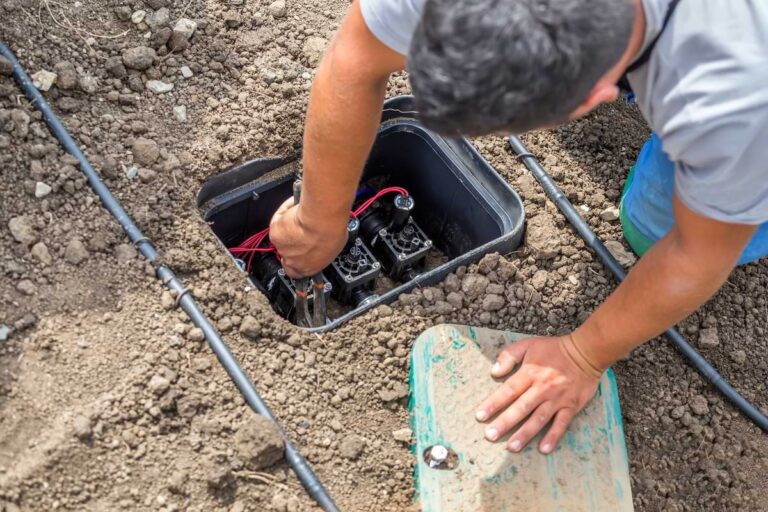
An irrigation valve box is a protective enclosure installed at ground level over underground irrigation components. It provides access for inspection, repairs, and routine maintenance without requiring you to dig up the surrounding area.
- Component Protection: A valve box shields irrigation valves, wire connections, and other equipment from accidental contact, landscaping work, and some types of physical damage. Its cover also limits direct exposure to sunlight and helps keep debris out, although it does not make the enclosure completely waterproof.
- Maintenance Access: The removable lid allows you to reach valves and connections when troubleshooting leaks, replacing parts, or checking electrical wiring. A properly sized box provides enough working room to complete these tasks without excavating the entire installation.
- Landscape Appearance: Installing valves below grade keeps most irrigation equipment out of sight. Green, black, tan, and other cover colors can help the box blend into grass, mulch, gravel, or other landscaping.
- Equipment Organization: A valve box keeps related components together in an accessible location. Depending on its size and design, it can house sprinkler valves, drip irrigation filters, pressure regulators, wire splices, and quick couplers.
2: Compare Common Irrigation Valve Box Types
Different valve box designs accommodate different irrigation components and installation conditions. Choose a style based on what you need to protect, how much access the equipment requires, and where the box will be installed.
- Standard Valve Boxes: These general-purpose enclosures protect sprinkler valves and their connections. They work well for residential irrigation systems with one or more valves installed underground.
- Rectangular Valve Boxes: Their elongated shape provides room for multiple valves arranged in a row. They are useful for manifold installations where several irrigation zones connect to a shared assembly.
- Round Valve Boxes: Round boxes are often used for individual valves, wire connections, and smaller irrigation components. Their compact shape can work well in installations with limited space.
- Jumbo and Oversized Valve Boxes: Larger enclosures provide additional room for multiple valves, manifolds, and equipment that needs frequent servicing. They are useful when standard boxes would leave too little clearance around the components.
- Emitter Boxes: These specialized boxes accommodate multi-outlet drip emitters and distribution tubing. Openings or slots in the sides allow drip tubing to pass through the enclosure.
- Quick-Coupler Valve Boxes: These boxes provide access to quick-coupling valves used to connect a hose or other watering equipment to an irrigation system. Choose a model designed to accommodate the specific valve and its connections.
3: Choose the Right Irrigation Valve Box Size
Irrigation valve box sizes vary by manufacturer, shape, and intended application. The dimensions and usable interior space matter more than the label alone, especially when you need to fit several valves or leave room for future repairs.
These are general sizing guidelines, not universal capacity limits. Always compare the box’s interior dimensions with the actual dimensions of your valves, fittings, wiring, and other components.
| Valve Box Size | Common Applications | What to Consider |
| Small or Round | Single valves, wire connections, and compact components | Confirm that the valve and connections fit with room for access. |
| Standard Rectangular, Around 14 Inches Long | Small valve groups and residential irrigation installations | A common rule of thumb is to limit a standard 14-inch box to about three valves, depending on their size and arrangement. |
| Medium or Large Rectangular | Multiple valves, manifolds, and drip irrigation equipment | Check the layout and leave enough room to remove valve parts and reach wire connections. |
| Jumbo or Oversized | Larger valve assemblies and installations requiring additional service space | Measure the complete assembly and confirm that the box provides adequate clearance and a suitable load rating. |
4: Match the Valve Box to Your Irrigation Application
The right sprinkler valve box depends on the equipment it needs to contain. Consider the full installation rather than choosing a box based only on the number of valves.
- Sprinkler Systems: Choose a box that fits the valve bodies, fittings, wiring, and any shared manifold. For multiple valves, arrange the components so you can reach each valve without removing neighboring equipment.
- Drip Irrigation: Drip systems may require space for a control valve, filter, and pressure regulator. A suitably sized box makes it easier to clean the filter, inspect connections, and replace components.
- Fertigation Systems: Fertigation equipment introduces fertilizer into irrigation water and may require additional space for an injector or related components. Select an enclosure that accommodates the equipment according to its installation requirements.
- Quick-Coupler Connections: Quick-coupler valves need enough clearance for the valve body and hose connection. Use a compatible box that allows you to connect watering equipment without obstruction.
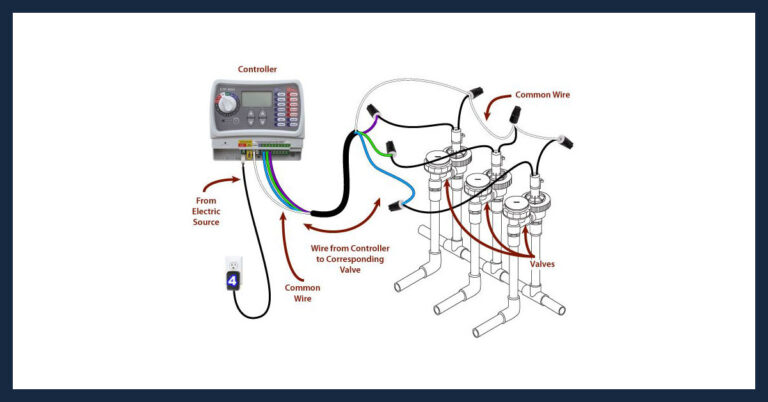
- Wire Splices: Electrical connections for irrigation controllers and solenoids need a suitable enclosure and appropriate waterproof connectors. Make sure the box provides access to the connections without crowding the wiring.
5: Select a Valve Box Cover Color and Load Rating
A valve box should fit its surroundings while withstanding the conditions at its installation site. Consider both the appearance of the cover and the amount of weight or traffic the box may encounter.
- Green Covers: Green lids blend into turf and grassy areas. They are a practical choice for valve boxes installed in lawns where the cover will remain visible.
- Black Covers: Black covers can blend into dark mulch, soil, and some landscaped beds. They are also a common option for general-purpose irrigation installations.
- Tan Covers: Tan lids often work well in gravel, sand, and light-colored landscaping. Matching the cover to the surrounding materials can make the box less noticeable.
- Purple Covers: Purple covers commonly identify reclaimed or nonpotable water systems where local codes or utility requirements call for that identification. Confirm the applicable requirements before choosing a cover color.
- Load Ratings: Standard residential boxes are not automatically suitable for vehicle traffic or heavy equipment. Check the manufacturer’s load rating and installation requirements if the box will be exposed to mowers, vehicles, or other substantial loads.
6: Plan Valve Box Placement Before Installation
Where you install a valve box affects its accessibility, durability, and appearance. Choose a location that provides convenient service access without interfering with routine yard work.
- Accessible Locations: Place boxes where you can remove the lid and reach the valves without moving plants, edging, or other obstacles. Leave enough surrounding clearance to work with tools and replace internal components.
- Discreet Placement: Position boxes along landscape edges or in planting beds when practical. Avoid locations where the enclosure will obstruct walkways or interfere with the intended appearance of the yard.
- Appropriate Drainage: Avoid placing a box where water routinely collects. Valve boxes are not necessarily watertight, and standing water can complicate maintenance and contribute to problems with electrical connections.
- Ground-Level Installation: Install the box according to the manufacturer’s instructions, with the lid positioned appropriately relative to the finished grade. A lid that sits too high can interfere with mowing, while one buried too deeply can be difficult to locate and open.
- Future Access: Consider how the installation might change over time. Leave enough room to service existing equipment and, where practical, accommodate additional valves or fittings.
7: Avoid Common Valve Box Sizing and Installation Mistakes
A valve box that fits today may still create problems if it leaves too little room for maintenance or is installed incorrectly. Check the enclosure’s dimensions, construction, and placement before completing the installation.
- Overcrowding Valves: Packing too many valves into a small box makes repairs and adjustments difficult. Choose a larger enclosure when you cannot comfortably reach the valves, wiring, and fittings.
- Buying an Oversized Box Without a Reason: An unnecessarily large box can take up more landscape space than needed. Match the enclosure to the equipment while allowing enough room for service access and any planned additions.
- Ignoring Interior Dimensions: Exterior measurements do not tell you how much usable space is available inside the box. Account for the walls, lid opening, valve fittings, and the space required to remove components.
- Modifying the Box Improperly: Cutting or altering an enclosure can weaken its structure or compromise the lid’s fit. Use a box designed for the application instead of making changes that could cause it to crack or collapse under expected loads.
- Forgetting the Cover: A box is only useful if its lid fits securely and can be removed when needed. Choose a compatible cover and keep it accessible after the surrounding soil, mulch, or turf is installed.
Choose an Irrigation Valve Box That Fits Your System
The best irrigation valve box protects your equipment, fits the available space, and provides enough room for routine maintenance. Compare the enclosure’s dimensions, shape, cover, and load rating with the components you plan to install.
For a simple sprinkler system, a standard box may be sufficient. Larger valve assemblies, drip irrigation equipment, and specialized connections may need a larger or purpose-built enclosure. Browse irrigation valve boxes at Sprinkler Warehouse to find an option that suits your system and landscape.
FAQs for Irrigation Valve Box Sizes & Types
What do irrigation valve boxes look like?
Irrigation valve boxes are typically rectangular or round plastic enclosures with removable lids. They usually have green, black, tan, or purple covers and sit at ground level to protect underground sprinkler valves, wiring, filters, and other irrigation components while keeping them accessible.
What is the purpose of an irrigation valve box?
An irrigation valve box protects underground sprinkler valves, wire connections, and other irrigation components from physical damage and landscaping debris. Its removable lid provides easy access for inspections, repairs, and routine maintenance without requiring you to dig up the surrounding area.
Why is my irrigation valve box filling up with water?
An irrigation valve box may fill with water because of poor drainage, heavy rain, a high water table, or a leaking irrigation pipe or valve. Check whether the water returns when the system is off. If it does, inspect for leaks and improve drainage around the box if needed.
If you want to stay up-to-date on the latest Sprinkler Warehouse news and make the most of all of our one-of-a-kind promotions, join the Irri-Gator community today. For Sprinkler Warehouse, I’m Alfred Castillo, your Sprinkler Warehouse Pro. Happy watering, Irri-Gators!