




Drip Irrigation Tubing & How It Works
Table of Contents
Drip tubing irrigation basics start with understanding how water moves through a landscape. Instead of spraying water across an entire yard, drip systems quietly deliver moisture right where plants need it most, allowing roots to absorb water efficiently while minimizing waste.
Whether you’re watering vegetable gardens, flower beds, shrubs, or trees, drip tubing serves as the backbone of a drip irrigation system. Learning the different tubing options can help you design a more effective and reliable watering solution.
What Is Drip Irrigation Tubing?
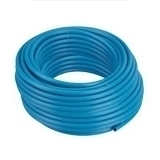
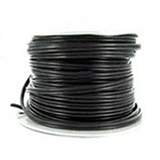
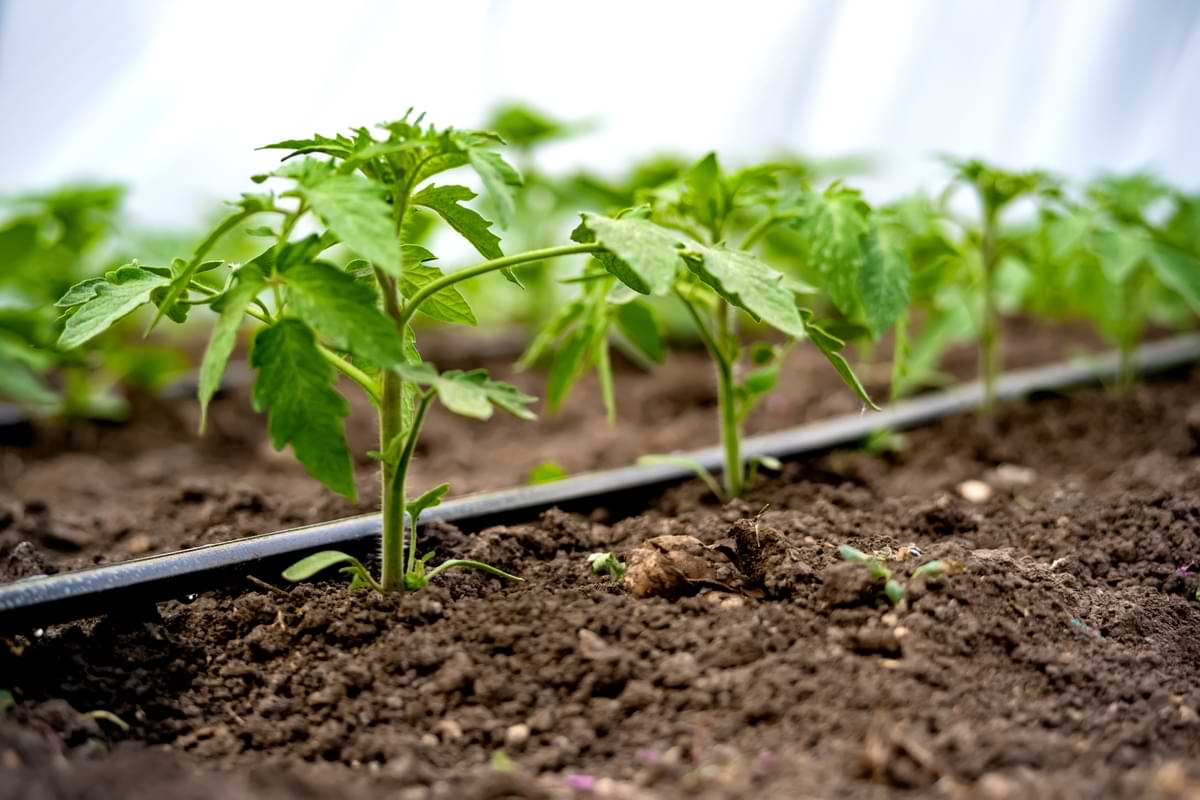
Drip tubing is a specialized polyethylene tubing designed to distribute water throughout a drip irrigation system. It acts as the pathway that carries water from the source to emitters or built-in drip points.
- Flexible Construction: Drip tubing is made from durable polyethylene that can bend around landscape features and planting areas.
- Water Delivery System: It transports water directly to plants through emitters or pre-installed drip outlets.
Long-Term Durability: Quality tubing is designed to withstand outdoor conditions and years of seasonal use.
What Does Drip Tubing Irrigation Do?
Drip tubing helps deliver water slowly and consistently to the root zone of plants. This targeted approach improves irrigation efficiency while reducing waste.
- Reduces Evaporation: Water reaches the soil directly instead of being lost to wind or sunlight.
- Minimizes Runoff: Slow application allows water to soak into the ground rather than flowing away.
Supports Healthier Plants: Consistent moisture at the roots encourages strong growth and healthier landscapes.
Where Should Drip Tubing Be Used?
Drip tubing works well in a wide variety of residential and commercial applications. Its flexibility allows it to adapt to both simple and complex planting layouts.
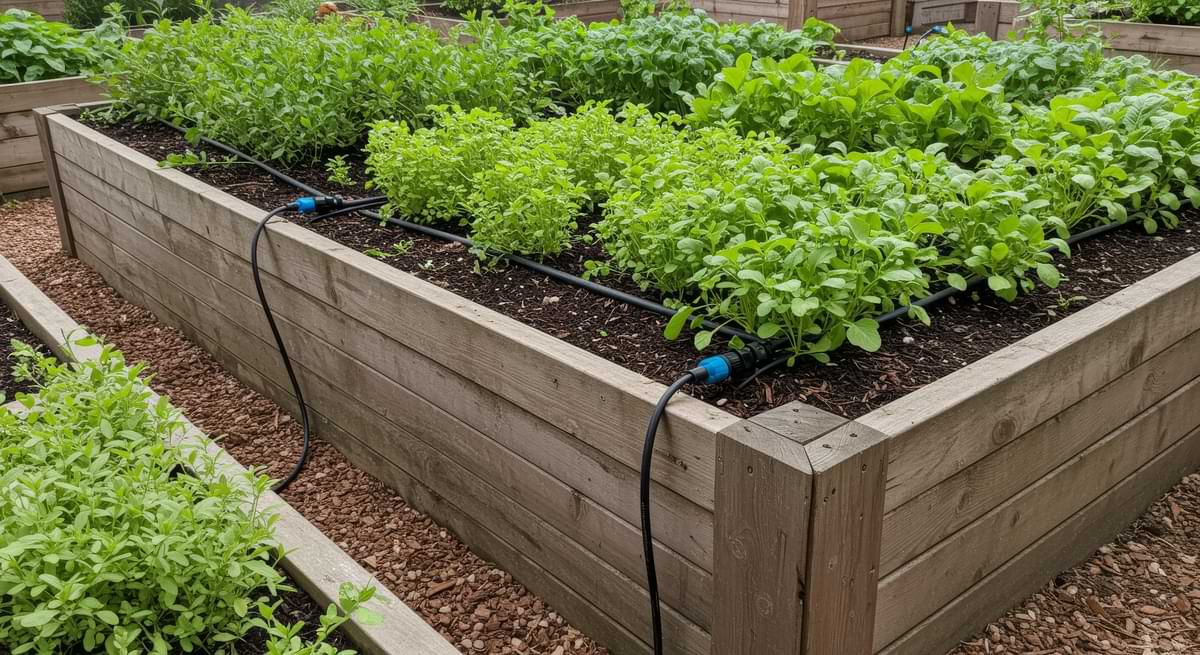
- Garden Beds: Ideal for vegetables, herbs, and flowers planted in rows.
- Landscape Areas: Works well around shrubs, trees, and decorative plantings.
- Narrow Or Irregular Spaces: Easily follows curved beds, slopes, and uniquely shaped landscapes.
Drip Irrigation Tubing vs. Drip Irrigation Tape
When it comes to drip tubing and drip tape, both products deliver water efficiently, but they are designed for different applications. Understanding the differences can help you select the right solution for your project.
| Feature | Drip Tubing | Drip Tape |
| Material Thickness | Thicker polyethylene | Thin flexible material |
| Durability | Long-term use | Often seasonal use |
| Best Application | Landscapes, gardens, shrubs, trees | Row crops and agriculture |
| Installation | Above or below ground | Commonly used in crop rows |
| Lifespan | Multiple years | Typically shorter lifespan |
Common Drip Tubing Sizes
Drip tubing is available in several sizes to accommodate different system designs. Choosing the correct size ensures proper flow rates and compatibility with fittings.
- 1/4-Inch Tubing: 1/4-inch tubing is commonly used to connect individual emitters or small branches of a system.
- 1/2-Inch Tubing: The most common size for residential drip irrigation systems and distribution lines is 1/2-inch tubing.
- 3/4-Inch and Larger Tubing: 3/4-inch and larger tubing is used for larger zones or systems requiring greater water volume.
Typical Drip Tubing Size Overview
Always verify both inside diameter (ID) and outside diameter (OD) when purchasing fittings. Matching tubing and fitting dimensions helps prevent leaks, blowouts, and frustrating installation issues.
| Tubing Size | Common Use |
| 1/4 Inch | Connecting emitters and short runs |
| 1/2 Inch | Main distribution line for most drip systems |
| 3/4 Inch | Large garden zones and commercial applications |
| 1 Inch | High-volume systems and long-distance runs |
Choose the Right Drip Tubing for Installing Drip Irrigation
The best tubing for your drip irrigation system depends on the size and layout of your landscape, the spacing between plants, and how you want water delivered throughout the area.
Taking a few minutes to plan your layout can save significant time and effort during installation.
- Use Emitter Tubing: Emitter tubing is an excellent choice for vegetable gardens, orchards, hedgerows, and other planting areas where plants are spaced at consistent intervals, so that water can be applied evenly and efficiently to each plant’s root zone without requiring individual emitter installation.
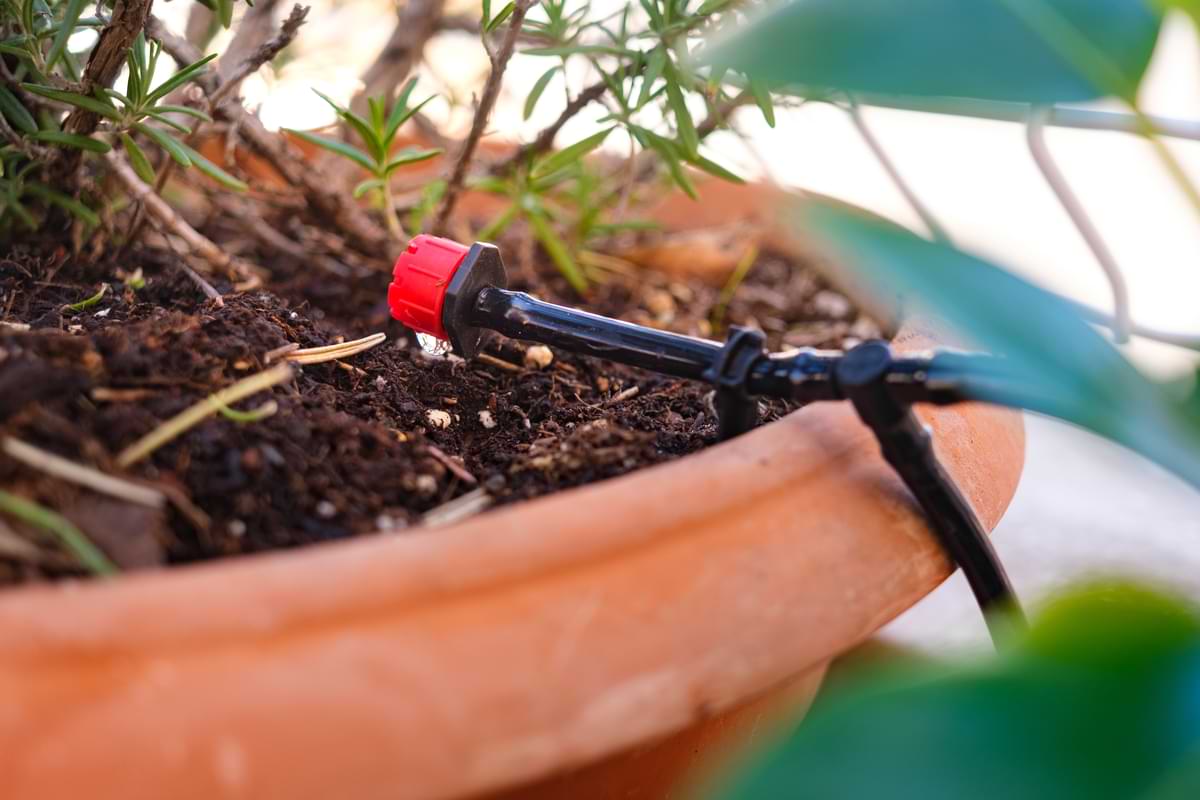
- Use Distribution Tubing: Distribution tubing serves as the main pathway that carries water from the supply line (to emitters, micro tubing, and other drip irrigation components), allowing you to branch off and customize water delivery to different planting areas throughout the landscape.
- Consider System Size: Larger irrigation zones and longer tubing runs often require larger-diameter tubing to maintain consistent pressure and water flow, helping prevent uneven watering and reduced emitter performance.
FAQ
What should I do if water isn’t coming out of a drip system emitter?
If no water is coming out of a drip emitter, the most common cause is a clog caused by dirt, debris, mineral buildup, or sediment in the line. Start by inspecting the emitter and cleaning it according to the manufacturer’s instructions. If cleaning doesn’t restore proper flow, replacing the emitter is usually the quickest and most reliable solution. Installing and maintaining a filter can help prevent future clogs.
Why is tubing blowing off my drip irrigation system?
A blown-off emitter or section of tubing is usually a sign that water pressure is too high for the drip irrigation system. Drip systems are designed to operate at lower pressures than standard household water supplies, so a pressure regulator is often required. Check that your pressure regulator is functioning properly and verify that all fittings and tubing sizes are compatible, as mismatched components can also contribute to blowouts.
How do I fix leaks between my fittings or between pieces of tubing?
Leaks at fittings or tubing connections are often caused by loose connections, damaged tubing, worn fittings, or incompatible component sizes. Begin by checking that all connections are fully seated and securely attached. If the tubing is cracked or damaged near the fitting, cut out the affected section and reconnect the line using a coupling. For persistent leaks, replacing the fitting or damaged tubing section is usually the most effective long-term repair.
If you want to stay up-to-date on the latest Sprinkler Warehouse news and make the most of all of our one-of-a-kind promotions, join the Irri-Gator community today. Happy watering, Irri-Gators!