





Discover the Parts of a Sprinkler System
Table of Contents
Whether you are troubleshooting a dry patch, planning a new installation, or simply trying to communicate better with an irrigation professional, knowing sprinkler system components can make maintenance and decision-making much easier.
Five Basic Sprinkler System Parts and How They Work Together
A well-designed sprinkler system does more than spray water across a lawn. It delivers the right amount of water to the right areas at the right time, helping landscapes stay healthy while reducing waste. To understand how a system works, it helps to look at the main sprinkler system components and how they connect.
Most sprinkler systems follow a simple sequence. Water enters the irrigation system from a main water supply, passes through a backflow preventer, moves through pipes, is controlled by valves, and finally exits through sprinkler heads. A sprinkler controller or timer tells the system when to turn on, how long to run, and which zones should operate.
1. Sprinkler Pipe and Fittings: Find Your Flow
Your water source, whether it’s a pump, well, or your local water utility, supplies water to your mainline. The mainline will branch off to your business or residence, and to your irrigation system. PVC pipe will carry your water to a backflow preventer.
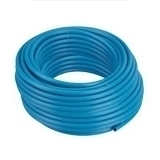
Pipes carry water from the source to the valves and sprinkler heads. In many sprinkler systems, pipes are installed underground to protect them from damage and keep the landscape clean and accessible.
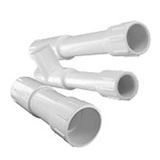
Common pipe materials vary by region and system type, but the purpose is always the same: move water efficiently while maintaining adequate pressure. Fittings connect sections of pipe, change direction, branch into zones, or connect sprinkler heads and valves.
Pipe problems can be difficult to see because they often occur below ground. Signs of a possible pipe issue include:
- Soggy areas in the lawn
- Unusually low water pressure
- Water bubbling up from the ground
- A zone that does not perform like it used to
- Higher water usage without an obvious explanation
Because pipes are foundational sprinkler parts, good layout and proper installation matter. Poor pipe sizing, weak fittings, or poorly sealed connections can reduce system performance and lead to costly repairs later.
2. Backflow Preventer: Protect Your Drinking Water
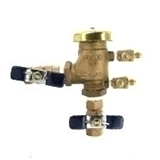
A backflow preventer is a critical safety component. Its job is to help prevent irrigation water from flowing backward into the clean water supply. Since sprinkler systems can come into contact with soil, fertilizer, pesticides, or other contaminants, backflow protection is an important part of responsible irrigation design. It’s also usually where you shut off the water to your irrigation system.
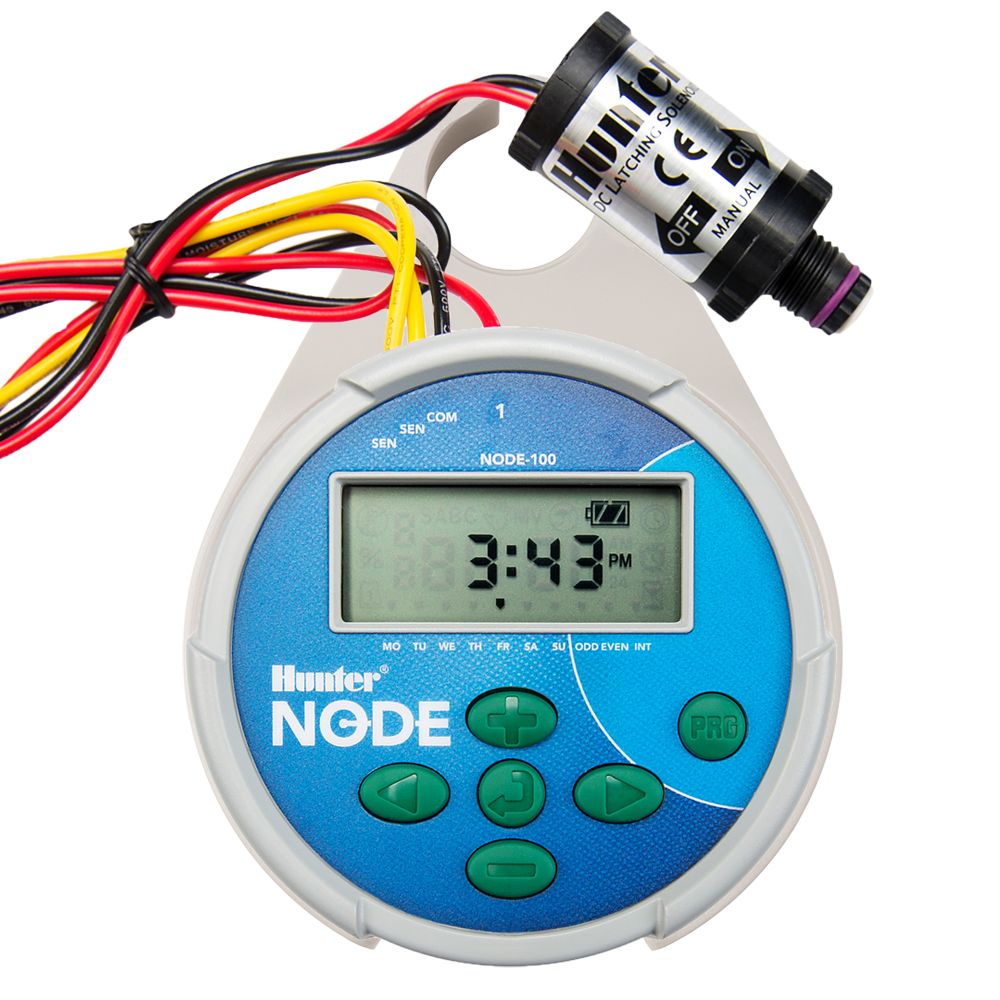
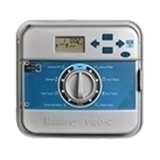
From the backflow, water flows through your pipes to the valves. The controller, also called a timer, is the brain of the sprinkler system. It tells the valves when to open or close. Each Valve controls a group of sprinklers. Each group is called a zone or a station.
3. Sprinkler Controller: Automate Your Watering (and Save Money While You’re at It)
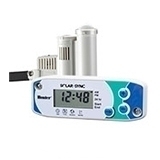
When the sprinkler controller, often referred to as a sprinkler timer, reaches a start time, it sends a signal, telling the valve to open. The valve opens releasing the flow of water into a zone. Water flows through the pipes to the sprinkler head. The water pressure activates the sprinkler heads in the zone, and they begin watering.
When the end of the runtime is reached, the timer sends a signal to tell the valve to close. Once the water stops entering the pipe in the zones, water pressure inside the zone decreases, and the sprinkler heads disengage. The process repeats for each zone in the system.
4. Irrigation Valve: Control Your Flow
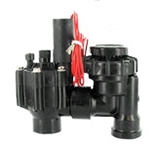
Your irrigation valve controls the flow of water through the sprinkler system. In many systems, each zone has its own valve. When the controller sends a signal, the valve opens and allows water to flow to that zone. When the scheduled time ends, the valve closes and stops the flow.
Valves are essential because most sprinkler systems cannot run every sprinkler head at the same time. Dividing the property into zones allows the system to maintain better pressure and water different areas based on plant type, sun exposure, or soil conditions.
5: Pop-Up Sprinkler Heads:
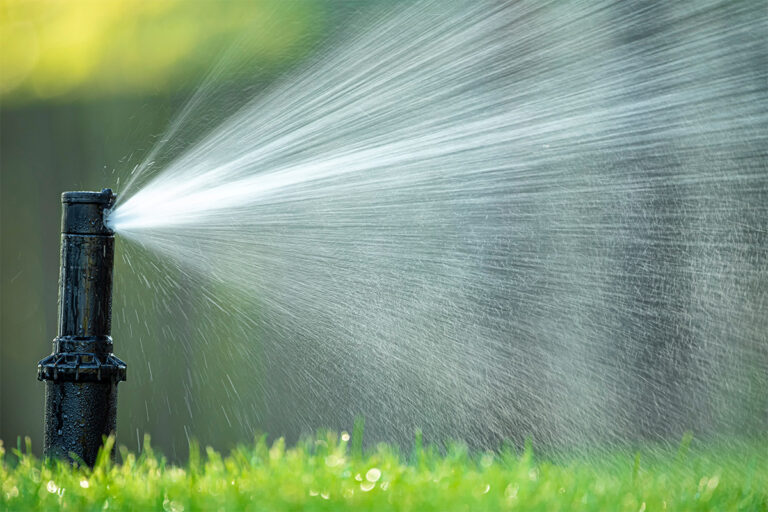
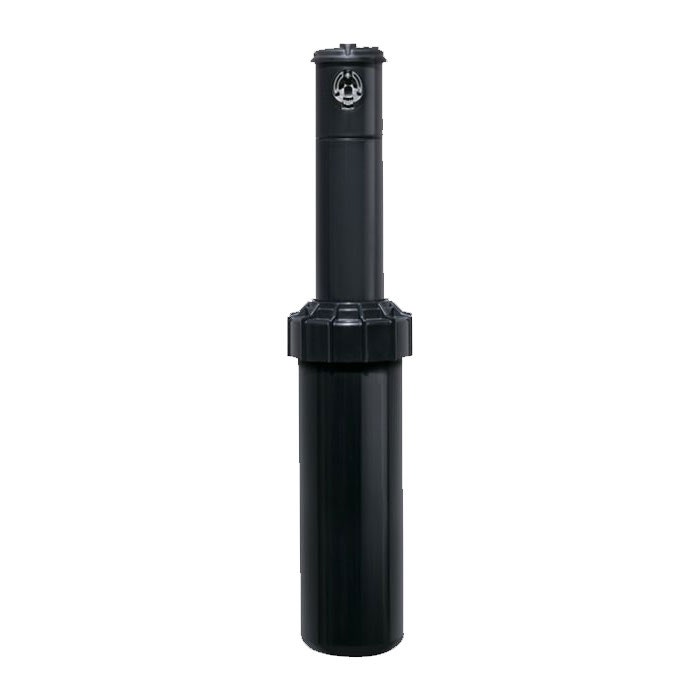
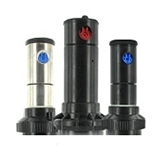
Pop-up sprinkler heads hide underneath the ground until the zone is activated, while shrub-type sprinklers are fixed on shrub sticks. Popups are used for lawns and low growing flower beds and ground covers. Shrub-style sprinklers are elevated about the level of the plants on a shrub stick. This allows the sprinkler to spray over the plants and shrubs.
Rotor-type sprinklers use a rotating stream, or multiple streams to water the lawn or plantings. They are typically used to water areas over fifteen feet in width. Sprays send a fixed water pattern, not unlike a showerhead. Sprays are typically used for smaller areas.
Common sprinkler head types include:
- Fixed spray heads: These produce a fan-shaped spray pattern and are often used for smaller lawn areas, narrow strips, or landscaped beds.
- Rotary heads: These rotate as they water and are often used for larger lawn areas.
- Rotating nozzles: These deliver water more slowly and evenly than some traditional spray nozzles, which can help reduce runoff in certain conditions.
- Bubblers: These apply water near the base of plants, shrubs, or trees.
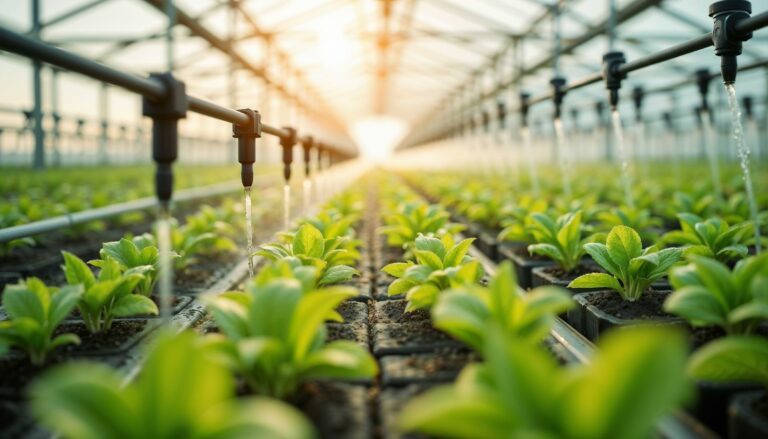
- Drip emitters: While not traditional sprinkler heads, they are often used in irrigation systems to deliver water directly to plant roots.
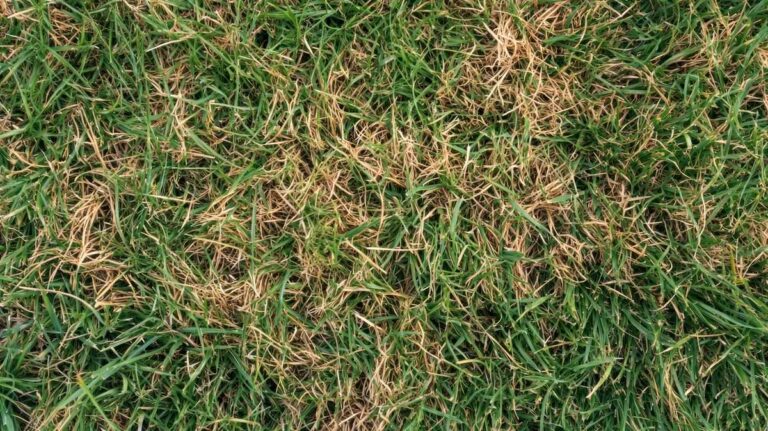
Sprinkler heads must be selected and adjusted based on the area they serve. If heads are spaced incorrectly or aimed poorly, some areas may receive too much water while others remain dry.
Premium Lawn Sprinkler System Parts at Sprinkler Warehouse
Remember, SPRINKLER WAREHOUSE has EVERYTHING for your irrigation needs so, your trees, lawn, flower beds, and gardens are lush and beautiful. And if you have any questions about our products chat with one of our superb customer service agents on Sprinkler Warehouse dot com. Subscribe to our YouTube channel for helpful tips, tutorials, and general sprinkler instruction. For Sprinkler Warehouse, I’m Adrian Sanchez. The Sprinkler Warehouse Pro. Later irrigator.