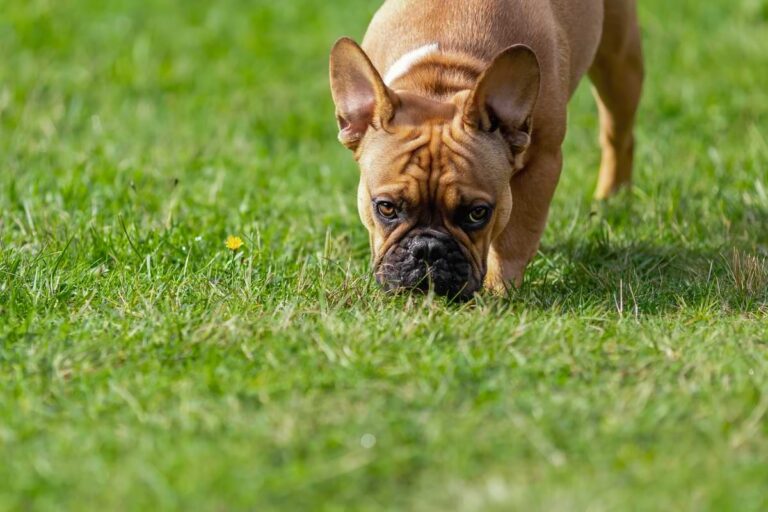




Fertilizer and Dogs: How to Pet Proof Your Yard
Yard fertilizer and dogs can absolutely coexist when your lawn is a safe place for paws to roam, tails to wag, and afternoons to stretch out under the sun.
Understanding how grass fertilizer and dogs interact is the key to creating an outdoor space where both can thrive safely. That way, your dog can continue racing across vibrant green grass or lounging comfortably in the backyard while your lawn stays healthy and well-maintained.
Table of Contents
Understanding Fertilizer And Dogs
Fertilizers are designed to boost plant growth, but their ingredients can pose risks to pets. Knowing what’s in your lawn fertilizer helps you make smarter, safer choices.
- Common Ingredients: Nitrogen, phosphorus, and potassium are essential for grass but can upset a dog’s stomach if ingested.
- Added Chemicals: Herbicides, pesticides, and iron supplements in lawn fertilizer can increase toxicity risks.
- Exposure Risks: Dogs can ingest fertilizer by licking paws, eating grass, or sniffing treated areas.
Choose Pet-Safe Fertilizer
Not all fertilizers are created equal, especially when it comes to pet safety. Choosing the right type can significantly reduce potential harm.
- Granular Fertilizer: Pellets can stick to paws or be mistaken for food, making them a common concern for dog owners.
- Liquid Fertilizer: Absorbs quickly into soil, reducing residue but still requiring drying time before pets return.
Organic Fertilizer: Often safer but may still contain ingredients (like bone meal) that attract dogs to dig or eat.
How to Dog-Proof a Newly Fertilized Lawn
A few simple precautions can go a long way in protecting your dog. Being proactive ensures your lawn care routine stays pet-friendly.
- Follow Label Instructions: Always adhere to application rates and drying times listed on the product.
- Keep Dogs Off Treated Areas: Restrict access for at least 24–72 hours or as directed.
- Water The Lawn Thoroughly: This helps fertilizer absorb into the soil and reduces surface residue.
- Store Fertilizer Securely: Keep bags and containers out of reach to prevent accidental ingestion.
Fertilizer Safety at A Glance
Different fertilizer types come with varying levels of risk. Use this quick comparison to guide your decision-making.
| Fertilizer Type | Pet Risk Level | Key Concern | Safe Practice |
| Granular Fertilizer | Moderate-High | Ingestion of pellets | Water in thoroughly, restrict access |
| Liquid Fertilizer | Moderate | Residue on grass | Allow to fully dry before use |
| Organic Fertilizer | Low-Moderate | Attraction to natural ingredients | Monitor digging and eating behavior |
Signs of Fertilizer Exposure in Dogs
Even with precautions, accidents can happen. Recognizing symptoms early can help you respond quickly.
- Digestive Issues: Vomiting, diarrhea, or drooling may indicate ingestion.
- Behavioral Changes: Lethargy or restlessness can signal discomfort or toxicity.
- Skin Irritation: Redness or paw licking may result from contact with treated grass.
Yard Fertilizer and Dogs: A Safe Lawn for Everyone
Balancing grass fertilizer and dogs is all about awareness and timing.
With the right products and precautions, you can maintain a healthy yard that’s just as safe for playtime as it is beautiful to look at.
FAQs for Yard Fertilizer and Dogs
What happens if dogs eat fertilizer for their yard?
Dogs that ingest fertilizer may experience vomiting, diarrhea, drooling, or stomach discomfort. Some products contain chemicals that can cause more serious reactions depending on the ingredients. Contact a veterinarian right away if your dog shows symptoms or eats a large amount.
How long after fertilizing a lawn can a dog go out?
Most experts recommend waiting at least 24 to 72 hours, depending on the fertilizer type. Granular products should be fully watered in, while liquid treatments need time to dry completely. Always follow the manufacturer’s instructions for the safest timeline.
Can dogs be in the yard with fertilizer?
Dogs should stay off the lawn until the fertilizer has been properly absorbed or dried. Walking through freshly treated grass can expose their paws and fur to chemical residue. Choosing pet-friendly fertilizer products can help reduce potential risks.
If you want to stay up-to-date on the latest Sprinkler Warehouse news and make the most of all of our one-of-a-kind promotions, join the Irri-Gator community today. Happy watering, Irri-Gators!