







Table of Contents
Organic Fertilizer for Grass: A Quick-Start Guide
Organic fertilizer nourishes your lawn naturally, working with your sprinkler system to build strong roots, vibrant color, and resilient turf.
Unlike synthetic options, it’s made from natural sources like compost, bone meal, blood meal, seaweed, or manure, breaking down slowly to release nutrients over time. This gradual process improves soil structure, supports microbial activity, and promotes consistent, healthy growth without the risk of fertilizer burn.
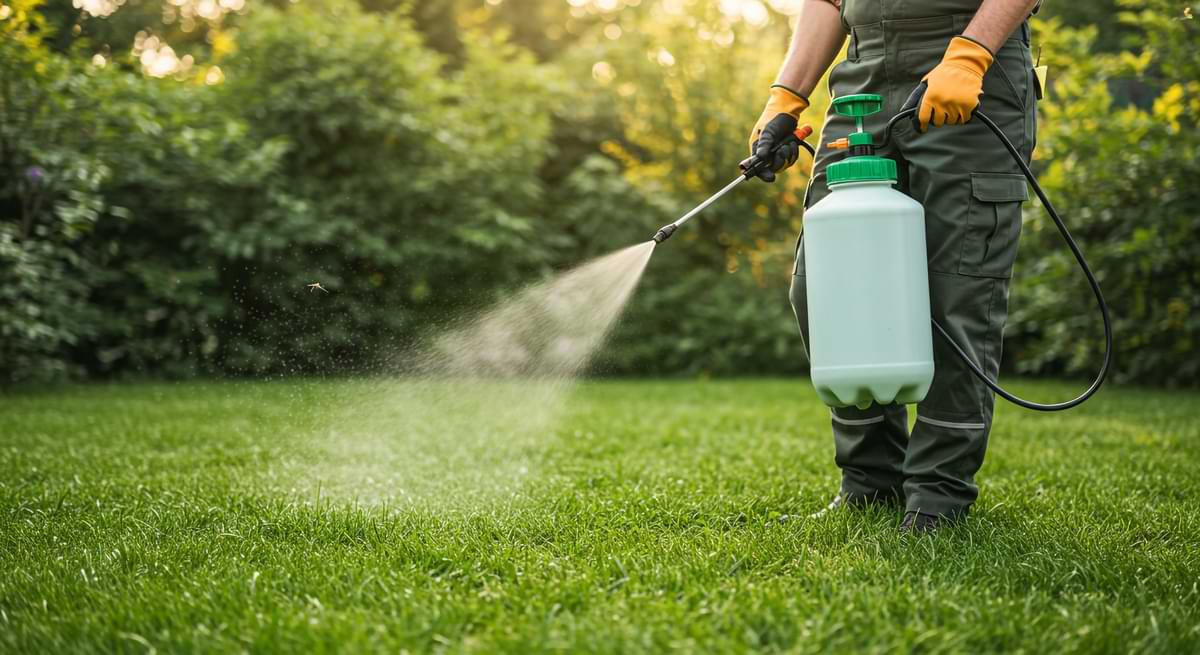
How Organic Fertilizer Supports Irrigated Landscapes
In sprinkler-irrigated lawns and planting beds, nutrient movement depends heavily on water. Organic fertilizers benefit from consistent, moderate irrigation because moisture activates microbial activity and helps carry nutrients into the root zone.
- Promote Gradual Nutrient Release: Nutrients are delivered gradually without excessive runoff.
- Improve Soil Moisture Retention: Soil retains moisture more effectively due to improved organic matter content.
- Strengthen Root Development: Root systems grow deeper and stronger, increasing drought tolerance.
- Provide Fast-Acting Nutrients with Organic Liquid Fertilizer: Organic liquid fertilizers deliver nutrients quickly while still supporting soil biology, making them ideal for spot feeding or newly seeded areas.
- Enhance Soil Microbial Activity: Microbial life flourishes, creating a healthier soil ecosystem overall.
Key Nutrients in Organic Fertilizers
Like synthetic blends, organic fertilizers contain nitrogen, phosphorus, and potassium (N-P-K). The difference lies in how those nutrients are released. Because nutrients release slowly, organic fertilizers reduce the risk of leaching through sandy soils or washing away during heavy watering cycles.
- Nitrogen: Nitrogen supports green, leafy growth. In organic products, nitrogen is typically tied to natural proteins that decompose gradually.
- Phosphorus: Phosphorus promotes strong root development, especially important after overseeding or new sod installation.
- Potassium: Potassium strengthens plant resilience, helping turf withstand heat stress, foot traffic, and seasonal transitions.
Best Practices for Applying Organic Fertilizer with Sprinkler Systems
Applying organic fertilizer in an irrigated landscape requires more than simply spreading product and turning on the water. Proper timing and thoughtful sprinkler adjustments ensure nutrients activate efficiently while protecting soil structure and plant health.
- Apply During Optimal Soil Temperatures: Apply organic fertilizer in spring or early fall when soil temperatures are warm enough to support active microbial breakdown and steady nutrient release.
- Water In Lightly After Application: Run your sprinkler system briefly after spreading fertilizer to help settle granules into the soil surface and initiate the decomposition process.
- Avoid Excessive Saturation: Avoid heavy watering immediately after fertilizing, since overly saturated soil can limit oxygen flow and slow the microbial activity that makes nutrients available to plants.
- Encourage Deep Root Development: Maintain a consistent irrigation schedule that promotes deep watering once or twice per week rather than frequent shallow cycles, which supports stronger root systems and better nutrient uptake.
- Monitor Runoff And Coverage: Check sprinkler patterns to ensure even distribution and prevent pooling or runoff that could carry nutrients away from the root zone.

Environmental Benefits of Organic Fertilizer
Organic fertilizer supports soil health beyond immediate plant growth, creating long-term benefits for both landscapes and surrounding ecosystems. Its slow-release nature and soil-building properties make it a responsible choice for irrigated lawns and planting beds.
- Reduce Nutrient Runoff Risk: Gradual nutrient release lowers the likelihood of excess fertilizer washing into storm drains or nearby waterways.
- Improve Soil Structure Naturally: Added organic matter enhances soil aggregation, increasing water infiltration and reducing erosion potential.
- Support Beneficial Microbial Activity: Organic inputs feed soil microbes that naturally cycle nutrients and improve overall soil vitality.
- Increase Carbon Retention Capacity: Healthier, biologically active soils capture and store more carbon over time, contributing to improved environmental sustainability.
Grow Stronger Lawns with Organic Fertilizer
For homeowners and irrigation professionals alike, organic fertilizer represents a balanced approach: feed the soil first, and the lawn will follow. When irrigation efficiency and soil health work together, landscapes become more resilient, vibrant, and easier to maintain season after season.
FAQs for Organic Fertlizers
What is organic fertilizer?
Organic fertilizer is a natural soil amendment made from plant, animal, or mineral sources. It releases nutrients slowly, feeding plants while improving soil structure and microbial activity.
What are the 4 organic fertilizers?
Common types of organic fertilizers include compost, bone meal, blood meal, and seaweed extract. Each provides different nutrients and benefits, from nitrogen-rich growth support to enhanced root development and stress resistance.
Is organic fertilizer really better?
Organic fertilizer can be better for long-term soil health and sustainable gardening. While it works more slowly than synthetic options, it builds stronger roots, improves moisture retention, and supports a thriving soil ecosystem.
If you want to stay up-to-date on the latest Sprinkler Warehouse news and make the most of all of our one-of-a-kind promotions, join the IrriGator community today. Happy watering, IrriGators!