




How to Clean Drip Irrigation Emitters
Table of Contents
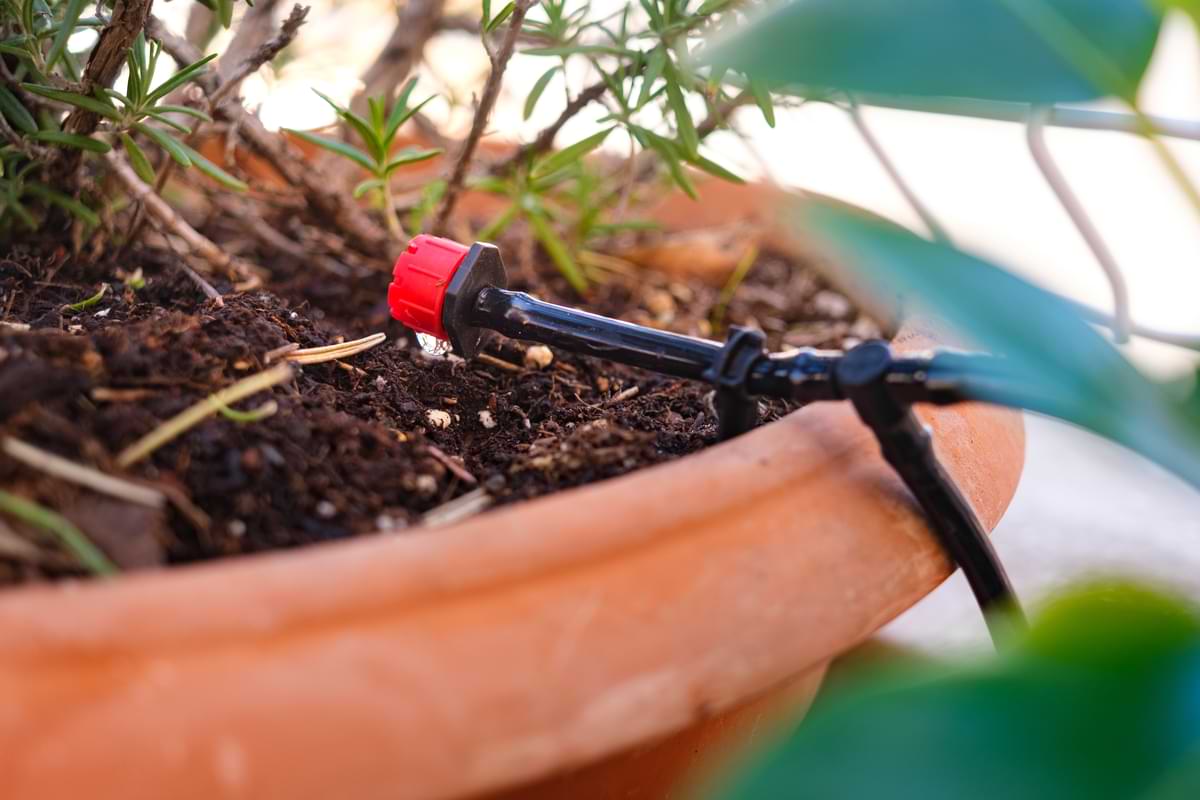
Drip irrigation drip emitters sit quietly along your garden beds, delivering precise drops of water to thirsty roots while mulch, dust, and mineral buildup slowly gather around them. When water starts trickling unevenly or plants begin showing signs of stress, cleaning your drip irrigation emitters can restore steady flow and keep your entire system working efficiently.
Because drip irrigation components are exposed to dirt, debris, and hard water deposits, occasional maintenance is part of keeping your system running smoothly. The good news is that cleaning drip emitters is quick, simple, and usually requires tools you already have on hand.
Signs Your Drip Emitters Need Cleaning
When drip emitter irrigation systems start acting up, the problem often shows itself in uneven watering patterns. Catching these warning signs early helps prevent dry spots and plant stress.
- Weak Water Flow: If water only dribbles from the emitter, sediment may be restricting flow.
- Uneven Distribution: Some drip irrigation emitters may release more water than others due to partial blockages.
- Dry Soil Patches: Plants receiving insufficient moisture often indicate clogged drip emitters.
- Visible Mineral Deposits: White or chalky buildup around the opening usually points to hard water accumulation.
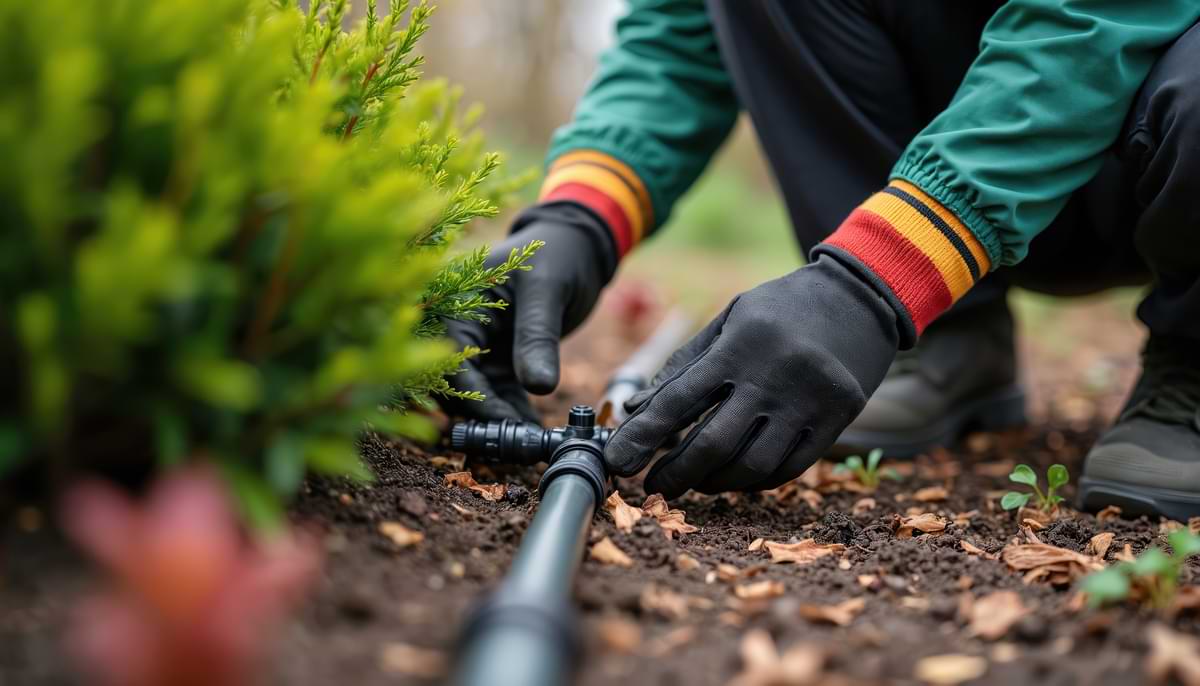
How to Clean Drip Emitters Step-by-Step
Cleaning drip irrigation components doesn’t require advanced tools or technical know-how. A few careful steps can often restore full performance.
- Turn Off The Water Supply: Shut down the system before removing any drip irrigation emitters.
- Remove The Emitter: Gently twist or pull the emitter from the tubing to avoid damaging the connection point.
- Clear Debris With Wire: Insert a straightened paper clip or thin wire into the emitter opening and carefully loosen trapped sediment.
- Flush With Water: Rinse the emitter under running water to wash away loosened particles.
- Soak For Mineral Removal: For stubborn buildup, soak drip emitters in equal parts vinegar and water for 30–60 minutes.
- Reinstall And Test: Reattach the emitter and run the system to confirm proper flow.
When to Replace Drip Emitters Instead of Cleaning Them
Sometimes drip irrigation emitters are simply past saving. Knowing when replacement makes more sense can save time and frustration.
- Cracked Housing: Physical damage can cause leaks and inconsistent pressure.
- Persistent Clogs: If cleaning doesn’t restore flow, internal blockage may be permanent.
- Worn Flow Regulation: Older drip emitter irrigation parts may lose precision over time.
- Frequent Failures: Repeated clogging often signals it’s time for a fresh replacement.
Drip Emitter Cleaning Quick Reference Chart
Routine maintenance becomes easier when you know what issue you’re dealing with. This chart helps match symptoms to the right cleaning solution.
| Problem | Likely Cause | Solution |
| Slow Drip | Sediment buildup | Flush and clean with wire |
| No Water Flow | Full blockage | Soak in vinegar or replace |
| Uneven Watering | Partial clogging | Remove and rinse thoroughly |
| White Residue | Mineral deposits | Vinegar soak treatment |
| Frequent Clogging | Dirty water source | Install or clean system filter |
How to Prevent Future Drip Emitter Clogs
A little prevention keeps drip irrigation components flowing freely all season long. Regular maintenance reduces downtime and extends system life.
- Install Filters: Prevent sediment from entering drip irrigation emitters.
- Flush Lines Seasonally: Clear buildup from tubing before it reaches emitters.
- Inspect Monthly: Catch issues before they worsen.
- Keep Spare Emitters: Replacements are inexpensive and useful during quick repairs.
Drip Irrigation Emitters: Clean Emitters, Healthier Plants
Keeping your drip emitters clean ensures your plants receive consistent, efficient watering while helping your system last longer.
With routine inspection and occasional cleaning, your drip irrigation emitters will continue delivering reliable performance season after season.
FAQs for Drip Irrigation Emitters
What is the difference between a dripper and an emitter?
A dripper and an emitter are often used interchangeably in drip irrigation, but there can be a slight distinction. A dripper usually refers to the complete device that delivers water, while an emitter is the internal component or outlet that controls the flow rate. In most drip irrigation conversations, both terms describe the same water-delivery point in the system.
What is the 30 30 rule for drip irrigation?
The 30/30 rule generally means watering for 30 minutes, then waiting 30 minutes before checking soil moisture and deciding if another cycle is needed. This method allows water to soak deeper into the soil rather than running off or pooling on the surface. It helps encourage stronger root growth and more efficient watering.
How do I know which drip emitter to use?
The right drip emitter depends on your plant type, soil conditions, and watering needs. Low-flow emitters work well for clay soil or small plants, while higher-flow emitters are better for sandy soil or larger shrubs that need more moisture. Checking your plant’s water requirements and your system’s water pressure will help you choose the best option.
If you want to stay up-to-date on the latest Sprinkler Warehouse news and make the most of all of our one-of-a-kind promotions, join the Irri-Gator community today. Happy watering, Irri-Gators!