





Table of Contents
Where to Dig for an Underground Sprinkler System
Installing an underground sprinkler system often starts with a simple but critical question: where should you dig? Digging in the wrong spot can damage irrigation lines or even hit buried utilities, turning a routine project into an expensive mistake. By understanding where to dig (and just as importantly, where not to), you can get started on your next sprinkler project while minimizing disruption to your yard.
Is an In-Ground Sprinkler Right for You?
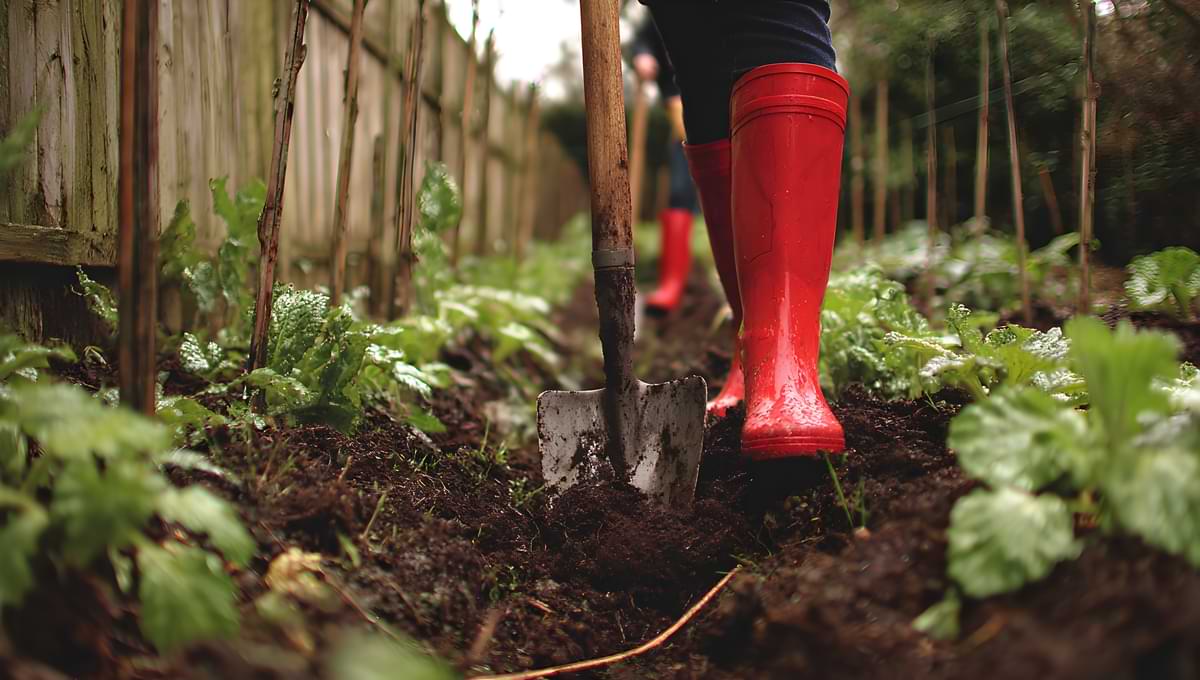
In-ground sprinklers are a great investment for homeowners who want to reduce manual watering time. Paired with timers or smart controllers, an underground sprinkler system will practically run of itself. Underground sprinkler systems are quite popular, but aren’t necessarily the best fit for every yard. Keep in mind that installation requires trenching and digging, which can disrupt existing landscaping and add upfront costs. Homes with irregular lot shapes or limited water pressure may struggle to get value from one of these permanent systems.
Before committing, consider your budget and water usage goals. In some cases, hose-end sprinklers or drip irrigation may offer a simpler, more flexible solution.
Mapping Zones
Mapping your underground sprinkler system is one of the most important steps in both installation and long-term maintenance. A clear zone map will show how your system is divided, where pipes and valves run, and which sprinkler heads operate together. In addition to helping with your dig, this will also serve as a reference for future repairs and upgrades.
Sprinkler head spacing and coverage are two examples of critical details when defining zones. Sprinkler heads should be spaced to provide head-to-head coverage, ensuring water reaches evenly across the lawn without dry spots or overspray. Poor spacing can lead to wasted water, stressed turf, and inconsistent growth. Water pressure and flow capacity should also play a role in your system’s design. Before finalizing zones, calculate your system’s GPM (gallons per minute) to determine how many heads a zone can support. Beyond spacing and pressure, mapping zones should account for plant types and sun exposure, grouping areas with similar watering needs together.
Just remember to label your map clearly. A well-documented zone map becomes an invaluable reference, helping you dig confidently and maintain a healthier, more efficient irrigation system over time.
Rocky Soil, Roots, & Avoiding Other Lines
Some yards have less-than-ideal digging conditions for an underground sprinkler system. This doesn’t mean that an in-ground sprinkler system will be impossible; it just means that you’ll have to be a little more careful.
- Rocky Soil: Rocky or compacted soil often requires slower, more precise excavation to avoid damaging pipes or tools. In these areas, using a narrow trenching shovel or hand tools instead of power equipment can help maintain control and prevent accidental breaks.
- Roots: Tree roots are a common challenge. Large roots can block planned pipe routes, forcing you to divert your trench. Cutting major roots can damage your trees and may violate local landscaping guidelines, so careful planning will be needed.
- Buried Lines: In addition to irrigation piping, yards often contain gas, electrical, communication, or drainage lines that aren’t always obvious. Before digging, homeowners should contact 811 to have public utilities marked.
Adjusting your digging approach based on underground obstacles helps prevent costly repairs, so try to do your research beforehand.
Irrigation Trench Sizes
Now that you have everything mapped out and you’re ready to dig, let’s talk about how deep you’ll need to dig for each trench. Generally speaking, most residential underground sprinkler systems use trenches that are 6 to 12 inches deep. In warmer regions, lateral lines may be buried closer to the surface, while colder climates often require deeper trenches to protect pipes from freezing. Trench width typically ranges from 4 to 6 inches, just wide enough to comfortably place the pipe without forcing it into tight bends. Narrow trenches mean less damage to your lawn and make backfilling easier.
Mainlines generally require deeper trenches than lateral lines because they remain under constant pressure. Regardless of size, trenches should have a smooth, debris-free bottom to prevent rocks from pressing against the pipe over time.
Digging the Trench & Laying Pipe
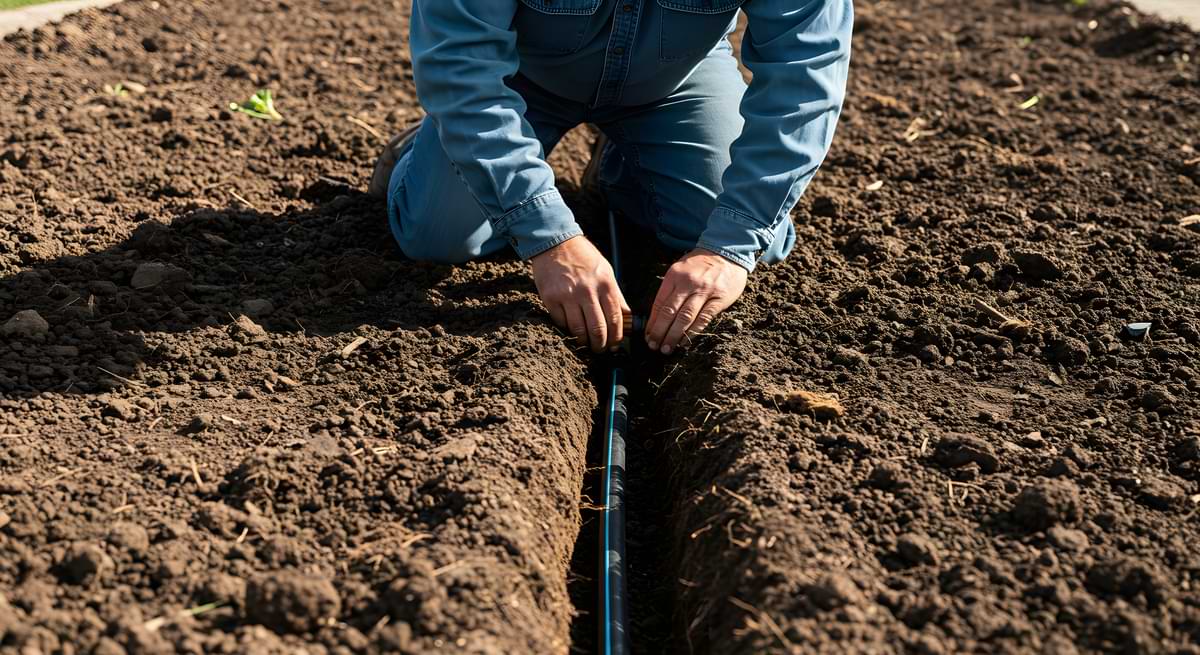
After you’ve done your research on in-ground sprinkler system installation, it’s time to put your notes to the test.
- Call before you dig – Contact 811 and ask for all underground utilities to be marked.
- Mark the trench path – Use marking paint or flags to outline where the pipe will run based on your zone map.
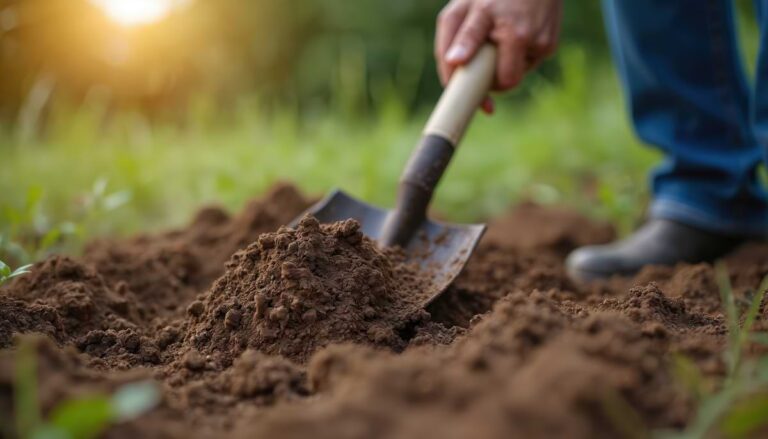
- Dig the trench – Excavate the trench to the planned depth and width, keeping the bottom as smooth and level as possible.
- Prepare the trench base – Clear loose soil, rocks, and sharp objects. In rough soil, adding a thin layer of fine soil or sand can help cushion the pipe.
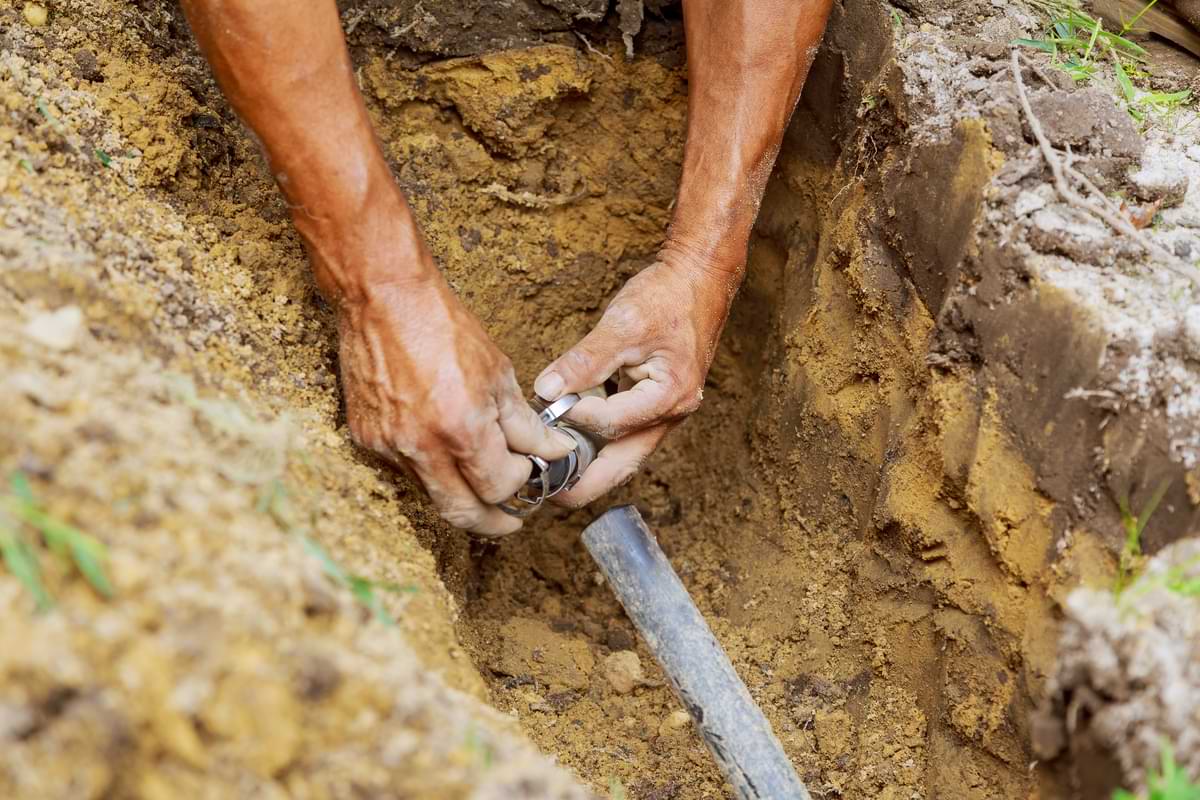
- Lay the pipe – Place the irrigation pipe into the trench without forcing bends. Dry-fit all sections and fittings first to confirm alignment before gluing or clamping.
- Secure connections – Glue joints or tighten fittings according to manufacturer instructions. Allow glued joints to set before moving the pipe.
- Test the sprinklers – Turn on the water to check for leaks or misalignment before backfilling.
- Backfill the trenches – With the pipes in place, slowly refill the trenches with dirt. Add soil, compact it down, then repeat until the trench is filled. Expect the soil to be slightly mounded over the pipe.
Shopping for an Underground Sprinkler System
If you’re going to be trenching irrigation lines for your new sprinkler system, make sure you’re prepared with all of the necessary digging tools, marking supplies, and pipe materials for the system itself. To save yourself several trips to the store, consider picking up all of your sprinkler supplies at Sprinkler Warehouse. On the Sprinkler Warehouse website, you can order several types of lawn irrigation tools, including trenchers, to accelerate the digging. Marking flags are also quite handy, especially if you’ve got utility lines that run through your backyard. When it comes to irrigation supplies, Sprinkler Warehouse is always a great place to start.
FAQs
How deep should underground sprinklers be?
Most underground sprinkler lines are buried 6 to 12 inches deep. Lateral lines can often be installed closer to the surface, while mainlines are typically buried deeper for added protection. If you’re working in a colder climate, your pipes may require greater depth to prevent freezing, while warmer regions can use shallower trenches.
What happens if I hit a sprinkler line while digging?
If you hit a sprinkler line while digging, shut off the water supply immediately to prevent flooding and further damage to the surrounding area. Clean off the damaged section of pipe and inspect the area around it to determine the extent of the break. Most repairs involve cutting out the damaged area and installing a coupling or replacement section of pipe. Once repaired, test the line for leaks before backfilling the trench.
How do I know if my water pressure is sufficient for my sprinkler zones?
To determine if your water pressure is sufficient for your sprinkler zones, start by measuring your PSI (pounds per square inch) using a pressure gauge attached to an outdoor spigot. Next, calculate your available GPM (gallons per minute) by timing how long it takes to fill a gallon-sized container. Compare these numbers to the pressure and flow requirements of your sprinkler heads.