



A Guide to Toro Irrigation Valves
Table of Contents
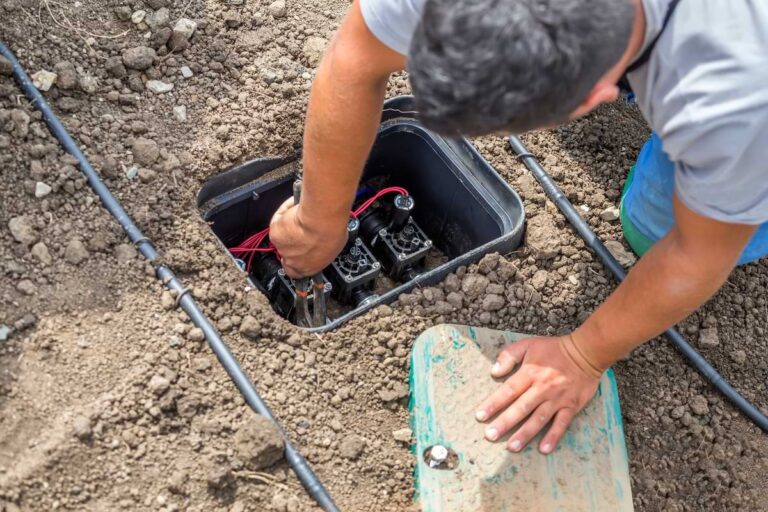
Toro irrigation valve systems help keep lawns green, flower beds thriving, and landscapes evenly watered without constant manual adjustments. Beneath the soil and inside valve boxes, these hardworking components control the flow of water with precision, turning sprinkler zones on and off at exactly the right times.
What Is a Toro Irrigation Valve?
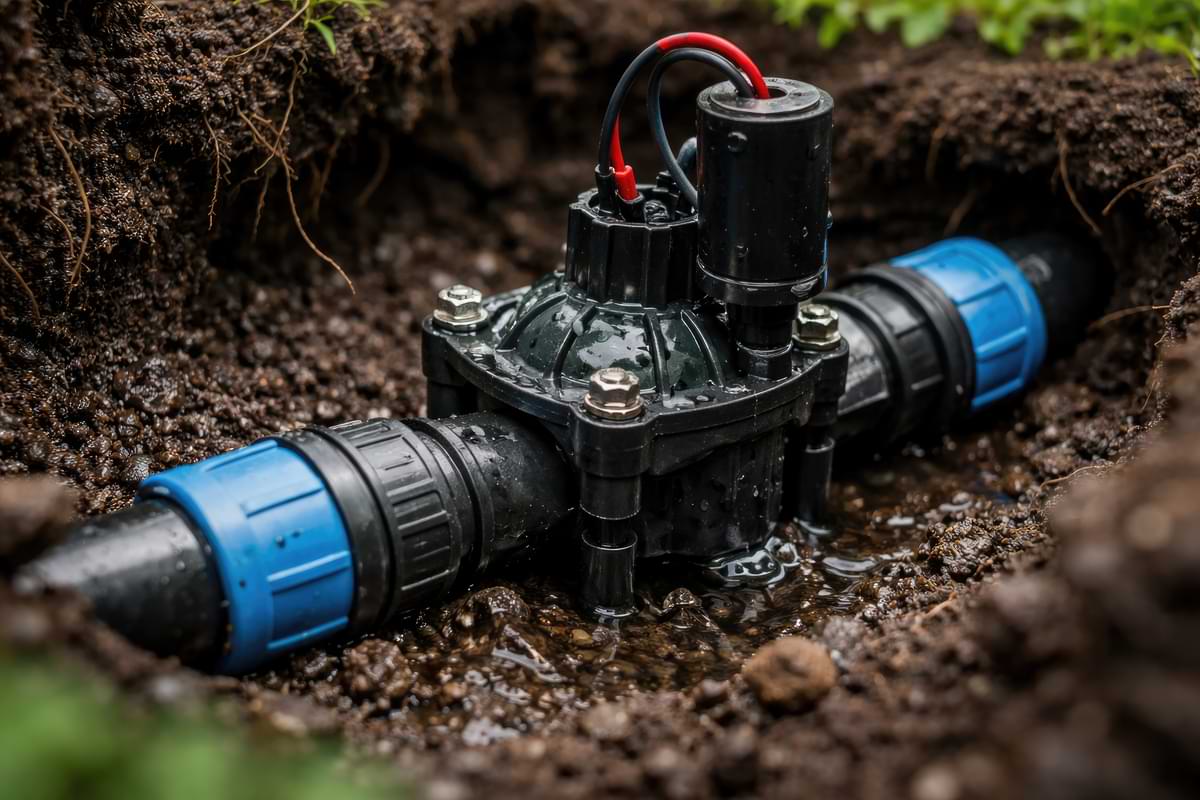
A Toro irrigation valve acts as the traffic controller of an underground sprinkler system. It opens and closes to regulate water flow to specific irrigation zones throughout a property.
- Zone Control: Each valve is responsible for directing water to a designated sprinkler zone, such as the front yard, backyard, or garden beds.
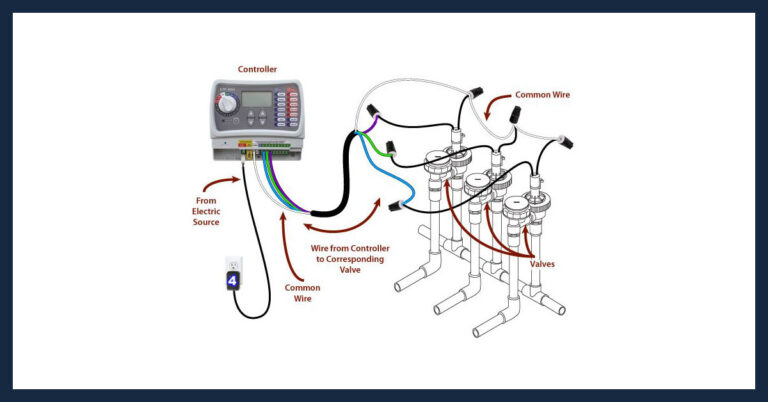
- Automatic Operation: Most Toro irrigation valves work with a timer or controller that sends electrical signals on a schedule.
- Water Regulation: The valve ensures the proper amount of water reaches each sprinkler head without overwhelming the system.
- Durable Construction: Many Toro electric valve models are designed with weather-resistant materials that can withstand dirt, moisture, and changing temperatures.
How a Toro Solenoid Valve Functions
The heart of many sprinkler valves is the solenoid, which handles the electrical portion of the process. A Toro solenoid valve converts electrical energy into mechanical movement that activates water flow.
- Electrical Signal Activation: When the irrigation controller sends voltage to the valve, the solenoid becomes energized.
- Magnetic Movement: The energized solenoid creates a magnetic field that lifts a small plunger inside the valve.
- Pressure Release: This movement releases pressure from the diaphragm chamber, allowing the valve to open.
- Water Flow Start: Once opened, water moves through the valve and into the connected sprinkler zone.
How Toro Electric Valve Systems Shut Off Water
After watering is complete, the system must close properly to prevent waste and overwatering. Toro irrigation valves are designed to shut off quickly and efficiently.
- Signal Stops: The irrigation controller cuts electrical power to the solenoid when the cycle ends.
- Plunger Resets: The internal spring pushes the plunger back into place.
- Diaphragm Closes: Water pressure seals the diaphragm against the valve opening.
- Zone Turns Off: Sprinkler heads stop spraying as water flow is completely blocked.
Toro Irrigation Valve Component Chart
Understanding the major parts of a Toro electric valve can make troubleshooting and maintenance much easier. Each component plays an important role in controlling irrigation performance.
| Component | Function |
| Solenoid | Receives electrical signals from the controller |
| Diaphragm | Opens and closes to regulate water flow |
| Valve Body | Houses the internal valve components |
| Bleed Screw | Allows manual opening or pressure release |
| Spring | Helps return the valve to the closed position |
| Flow Control | Adjusts the amount of water passing through |
Toro Irrigation Valves: Smart Water Control for Reliable Irrigation
Toro irrigation valves are essential for maintaining an efficient and automated sprinkler system. Whether you’re using a Toro solenoid valve for residential landscaping or a Toro electric valve for larger irrigation setups, these components help deliver reliable water control while conserving time, energy, and water usage.
FAQs for Toro Irrigation Valves
What are the different types of Toro valves?
Toro offers several types of irrigation valves, including electric control valves, anti-siphon valves, jar-top valves, and inline valves. Each is designed for different irrigation setups and installation needs. Toro electric valves are the most common for automated residential sprinkler systems.
What is the life expectancy of an irrigation valve?
Most irrigation valves last between 10 and 15 years with proper installation and routine maintenance. Factors like water quality, system pressure, and environmental exposure can affect lifespan. Replacing worn diaphragms or solenoids can often extend valve performance.
How to tell if an irrigation valve is bad?
A bad irrigation valve may cause sprinklers to stay on, fail to activate, leak continuously, or water unevenly. You may also hear buzzing from the solenoid or notice low zone pressure. Inspecting for damaged diaphragms, debris buildup, or electrical issues can help confirm the problem.
If you want to stay up-to-date on the latest Sprinkler Warehouse news and make the most of all of our one-of-a-kind promotions, join the IrriGator community today. Happy watering, IrriGators!