



Sprinklers Leaking When Off? Let’s Fix It.
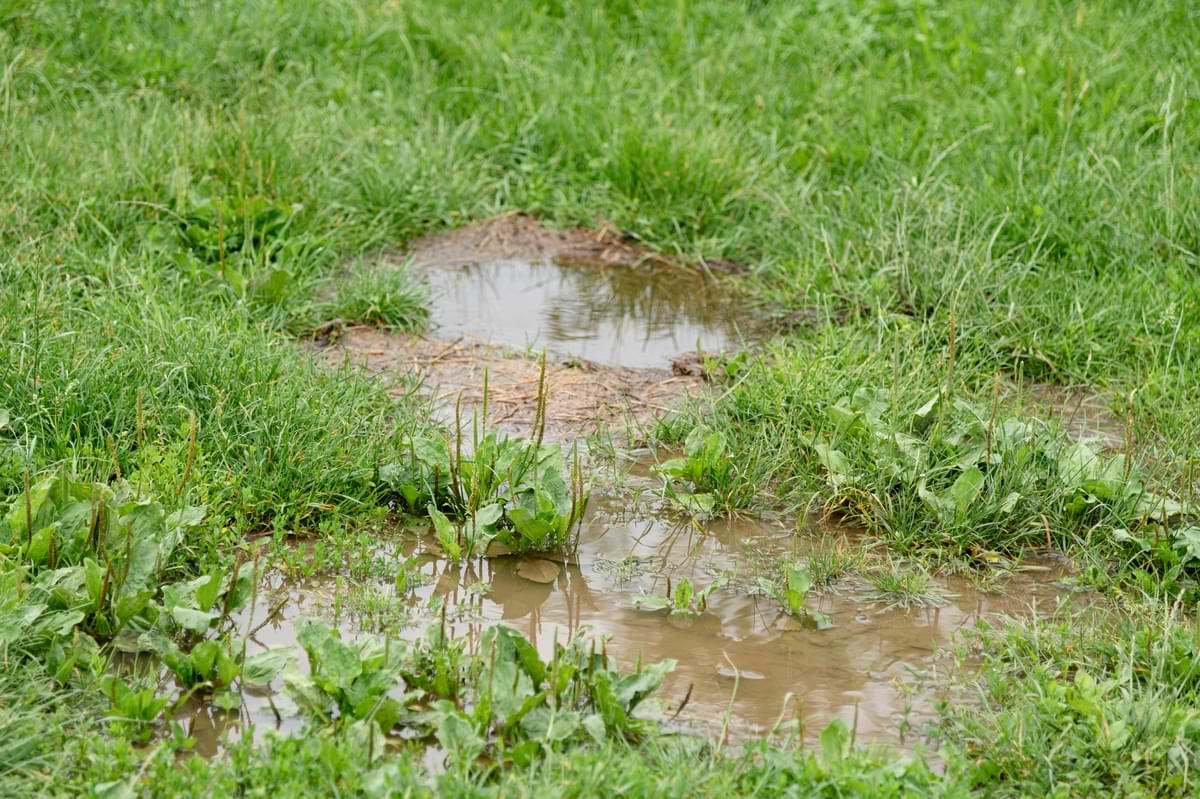
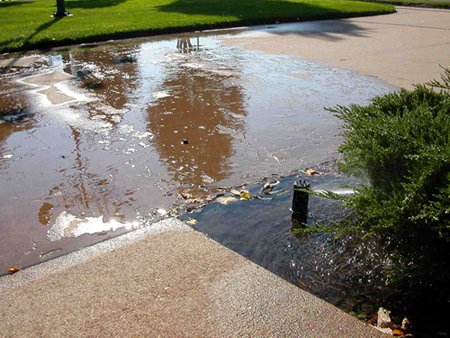
If you notice water pooling around your sprinkler heads, even when the system isn’t running, you’re not alone. Sprinkler heads leaking water while they’re off is one of the most common (and frustrating) irrigation issues homeowners face. Leaking sprinklers can be caused by a variety of issues, but luckily, there’s usually a way to repair them. Let’s review some of the most common reasons why water comes out of sprinkler heads when they’re off.
Table of Contents
Why Are My Sprinklers Leaking When They’re Off?
Sprinklers that leak when the system is off usually point to a few common issues. One of the most frequent causes is low head drainage, which happens when sprinkler heads sit at the lowest point of a zone, and water naturally drains out after the system shuts off. Another culprit is a leaking or worn-out zone valve. When a damaged diaphragm or a faulty seal prevents the valve from fully closing, water will continue to seep through the line and out of the sprinkler heads. Also, be on the lookout for cracked or damaged sprinkler heads. Sometimes lawnmowers or children at play will damage parts of your irrigation system, allowing water to escape even when the system isn’t running.
Understanding the root cause of the leak is the first step to choosing the right repair strategy, so take your time trying to diagnose the problem. Managing these leaks may prevent wasted water and even lower your utility bills. Nevertheless, when sprinkler heads leak water after the system shuts off, the issue almost always points to low head drainage or a leaking zone valve. While both symptoms look similar, the causes and the fixes are very different.
What Is Low-Head Drainage?
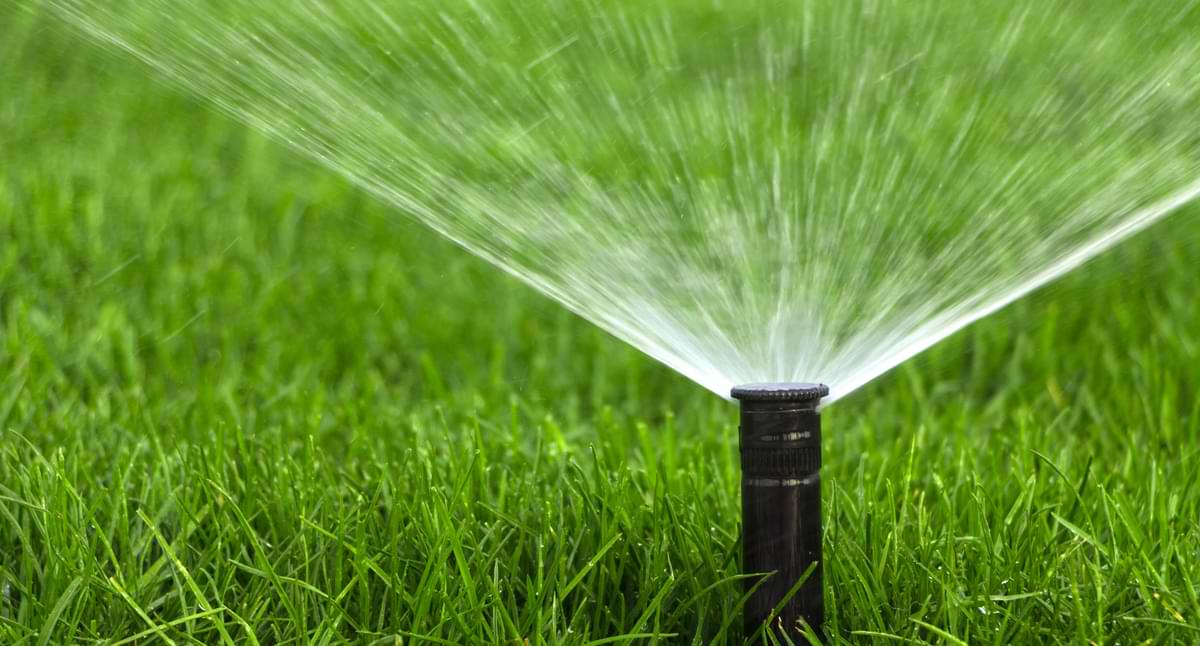
Low head drainage happens when sprinkler heads sit at the lowest elevation within a zone. After the water shuts off, gravity pulls the remaining water in the line downhill, causing it to drain out of the lowest sprinkler head. This is normal in many systems and usually stops after a minute or two.
How to Fix Low-Head Drainage
- Install check valves
- Raise the head if it’s sitting too low
- Replace older heads
What Is a Leaking Zone Valve?
If water continues to flow or seep long after the system shuts off, especially if multiple heads in a single zone leak, you’re likely dealing with a leaking or stuck valve. This happens when debris, a torn diaphragm, worn gaskets, or internal damage prevent the valve from fully sealing. Instead of shutting off completely, the valve allows a slow trickle of water into the line.
How to Fix A Leaking Valve
- Clean the valve
- Replace the diaphragm
- Check the solenoid
- Replace the valve if needed
Low head drainage is a simple gravity issue solved with check valves. A leaking valve is a mechanical issue that may require cleaning or repair. Identifying which issue applies to your sprinkler system will help you decide on the right fix and prevent long-term water waste.
Cracked Sprinkler Heads
Cracked sprinkler heads can leak even when the water is turned off, especially if the damage allows water in the line to escape through the break. When the sprinkler body or an internal part is damaged, the head may slowly seep water or cause noticeable puddling around the base, even when the irrigation zone is not running.
Most of the time, cracked sprinkler heads cannot be patched and should be replaced entirely. Fortunately, replacement is inexpensive and takes only a few minutes. Turn off the water, unscrew the damaged head, ensure the riser is intact, and install a new one of the same type and spray pattern. If the crack was caused by the head sitting too high or too low, you can also take this opportunity to correct its height.
What to Repair and What to Replace
When your sprinklers leak while the system is off, knowing what can be repaired versus what should be replaced helps you avoid unnecessary work.
Items You Can Often Repair
- Zone valves – As long as they aren’t damaged, just clean out debris and replace the diaphragm when necessary
- Loose Fittings – Re-tighten or reseal threaded connections and replace worn O-rings
- Low head drainage issues – Raise the head, add check valves, or replace internal check mechanisms
Items Usually Best to Replace
- Cracked sprinkler heads – Any crack in the body, cap, or riser warrants a full replacement
- Damaged nozzles – If a nozzle is beyond cleaning or physically damaged, replace it
- Broken risers – Snapped or stripped risers should be swapped out entirely
- Old or worn-out valves – If a valve housing is cracked or internal parts are failing repeatedly, replacement is more cost-effective than ongoing repairs
DIY or Call a Professional?
Many sprinkler leaks are easy enough for homeowners to diagnose and repair on their own. Issues like low head drainage, cracked sprinkler heads, clogged nozzles, and loose fittings typically require only basic tools and inexpensive replacement parts. Even minor valve repairs, such as cleaning out debris or replacing a worn diaphragm, are manageable DIY tasks if you’re comfortable opening up the valve and following simple steps.
However, some situations are better left to a professional. If a zone continues leaking despite DIY attempts, or if you suspect electrical issues with solenoids, wiring, or the controller, expert help is recommended. You should also call a pro if you notice signs of underground pipe leaks, such as soggy spots or unexplained increases in your water bill. Complex system layouts, aging equipment, high-pressure issues, or anything involving a backflow preventer also warrant professional attention. In these scenarios, a trained technician can diagnose the root cause more accurately and prevent further damage to your irrigation system.
Shopping for Irrigation Leak Repair
After you’ve planned your repairs, it will be time to order your replacement sprinkler parts and tools. Rather than shopping around between stores, you can find everything you’ll need at SprinklerWarehouse.com. Sprinkler Warehouse specializes in irrigation products and has all kinds of items that will help with irrigation leak repair. Make sure to stock up on the essentials, and irrigation repair will be a breeze.
FAQs on How to Stop Sprinklers Leaking When Off
Why are my sprinklers leaking when they’re off?
There are several possibilities why your sprinkler heads are leaking when off, including low head drainage, a faulty valve, high water pressure, and cracked or damaged sprinkler heads.
How can I fix sprinklers leaking water when off from a cracked sprinkler head?
After confirming the broken sprinkler head is the culprit from leaks, it’s best to replace the damaged sprinkler head. Ensure the new head matches the type and specifications of the existing system.
How can I prevent my sprinkler head from leaking water?
Preventing sprinkler head water leakage is easy. Regularly inspect and maintain your sprinkler system, use sprinkler heads with check valves to prevent low head drainage, monitor water pressure by installing a pressure regulator, and winterize your system to avoid freeze damage during cold weather.
How can I tell if it’s low-head drainage or a real leak?
Low head drainage stops after a minute or two and usually affects only the lowest sprinkler head in the zone. A real leak continues for long periods, may involve multiple heads, and often points to a stuck valve, damaged pipe, or cracked sprinkler head.
Will a check valve stop sprinkler heads from draining?
Yes. A check valve prevents water from flowing backward through the sprinkler line when the system shuts off, stopping gravity from pulling water out of the lowest sprinkler heads. Installing check valves or replacing heads with built-in check valves effectively eliminates low head drainage and helps reduce pooling and water waste.
Do clogged nozzles cause leaks?
Clogged nozzles typically don’t cause leaks, but they can disrupt water pressure and spray patterns, which may worsen existing leaks or cause water to pool around sprinkler heads. Regular cleaning and maintenance prevent buildup, ensure proper coverage, and help identify underlying issues that could lead to leaks.
For more information on preventing sprinkler heads from leaking water, contact our friendly customer service department. Happy watering, Irri-Gators!