


Summing Up the Cost of Winterizing Sprinkler Systems
Winterizing a sprinkler system helps prevent freezing temperatures from damaging pipes, valves, sprinkler heads, and other irrigation components.
The cost depends on the size of the system, the winterization method, and whether you hire a professional or handle the work yourself. Knowing what affects the price can help you plan ahead, choose the right service, and avoid expensive repairs when spring arrives.
How Much Does It Cost to Winterize a Sprinkler System? 8 Factors to Consider
The cost to winterize a sprinkler system varies depending on the equipment, labor, and services involved.
From a basic sprinkler blowout to additional inspections and repairs, here are eight factors that can affect your total winterization costs.
1: Professional Sprinkler Winterization Costs
Hiring an irrigation professional is one of the easiest ways to winterize a sprinkler system. Most contractors use specialized equipment to remove water from irrigation lines and prepare the system for freezing temperatures.
- Average Service Cost: Professional sprinkler winterization typically costs between $50 and $150 for a standard residential system. Larger properties, complex layouts, and additional service requirements can increase the total.
- What the Service Includes: A standard appointment generally includes shutting off the irrigation water supply, connecting an air compressor, and blowing water out of the sprinkler lines. Some contractors also inspect the backflow preventer, controller, valves, and other components.
- Additional Labor: Contractors may charge more for systems with numerous zones, difficult-to-access valves, or multiple irrigation areas. Ask whether the quoted price covers every zone and any additional equipment that needs winterizing.
2: DIY Sprinkler Winterization Costs
Winterizing your own sprinkler system can reduce labor expenses if you already have the necessary equipment. However, purchasing or renting an air compressor and the correct fittings can add to your initial costs.
- Air Compressor: A suitable air compressor can cost approximately $150 to $500 or more, depending on its capacity and features. Renting one may cost around $30 to $75 per day, making it a more affordable option for occasional use.
- Compressor Accessories: You may need an air hose, pressure regulator, and compatible fittings to connect the compressor to your irrigation system. These accessories can add another $20 to $75, depending on what you already own.
- DIY Considerations: Follow the manufacturer’s recommended pressure limits and use short air cycles to avoid damaging sprinkler components. If you are unfamiliar with the process, hiring a professional may be less expensive than repairing a damaged system.
3: Sprinkler System Size and Number of Zones
The size of your irrigation system can have a direct effect on winterization costs. A small residential system generally takes less time to prepare than a large property with multiple zones, valves, and irrigation areas.
- Number of Zones: Each irrigation zone must be cleared of water during a sprinkler blowout. Systems with more zones typically require additional labor and compressor operating time.
- Property Size: Larger yards, landscaped areas, and properties with separate irrigation sections may require more equipment and time. Commercial irrigation systems can cost considerably more to winterize than standard residential installations.
- System Complexity: Multiple valve manifolds, long underground pipe runs, and difficult-to-access components can make the process more involved. Contractors may adjust their pricing based on the time and equipment required.
4: Sprinkler Winterization Cost by Service
Not every sprinkler winterization appointment includes the same services. The following estimates provide a general comparison of common winterization expenses.
Service | Estimated Cost |
Basic Residential Blowout | $50–$150 |
Air Compressor Rental | $30–$75 per day |
Professional Backflow Inspection | $50–$150 |
Sprinkler Head Replacement | $5–$20 per head, plus labor |
Minor Valve Repair | $75–$150, including labor |
Prices are general estimates and vary by location, contractor, equipment, and system requirements. Some services may be included in a professional winterization package rather than charged separately.
5: Backflow Preventer Winterization
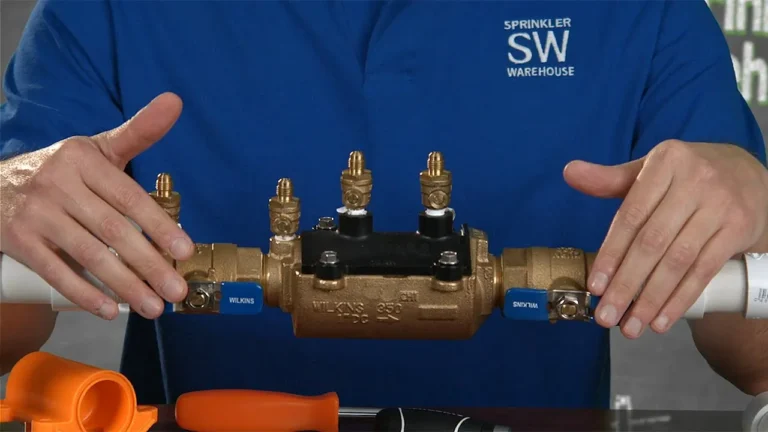
A backflow preventer helps protect drinking water from contamination by preventing irrigation water from flowing backward into the potable water supply. Because it contains water and exposed components, it also needs protection against freezing temperatures.
- Backflow Protection: Depending on the assembly and local requirements, winterization may involve draining the backflow preventer, opening designated test cocks, and protecting exposed piping. Some assemblies require additional steps to prevent water from becoming trapped inside internal components.
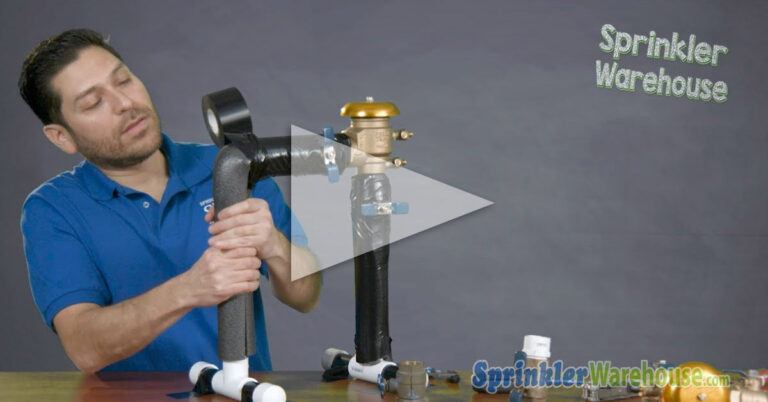
- Insulation and Covers: Insulated backflow covers can cost approximately $20 to $100 or more, depending on their size and construction. Pipe insulation and protective materials may add to the expense, particularly when the assembly is exposed to harsh winter conditions.
- Professional Assistance: Some backflow assemblies require specialized knowledge to winterize correctly. Ask your irrigation contractor whether backflow protection is included in the service or requires a separate appointment.
6: Sprinkler Repairs Before Winter
Existing irrigation problems can increase the cost of winterizing a sprinkler system. Addressing damaged components before freezing temperatures arrive can help prevent additional problems during the winter.
- Damaged Sprinkler Heads: Cracked, leaking, or broken sprinkler heads may need replacement before the system is shut down. Replacement heads generally cost $5 to $20 each, with additional charges for labor and installation.
- Leaking Valves and Pipes: Damaged valves, fittings, and exposed pipes can cause water to leak back into sections of the irrigation system. Repair costs depend on the location of the damage, the replacement parts required, and how much excavation is necessary.
- Backflow Repairs: A leaking or malfunctioning backflow preventer may require replacement parts or professional service. Repairing problems before winter helps ensure the assembly can be properly drained and protected.
7: Timing and Seasonal Service Rates
When you schedule sprinkler winterization can affect how much you pay. Most homeowners schedule service before the first hard freeze, which can make late fall a busy season for irrigation contractors.
- Early Scheduling: Booking an appointment in early fall can help you avoid the rush that occurs when temperatures begin dropping. Some contractors also offer early-season discounts or package pricing.
- Peak Winterization Season: Demand typically increases as freezing weather approaches, especially in regions with short fall seasons. Last-minute appointments may have limited availability or higher service fees.
- Weather Considerations: Do not wait until temperatures remain below freezing to winterize your system. Even one hard freeze can damage water-filled pipes, valves, and backflow assemblies.
8: Decide Whether to Hire a Professional
Professional sprinkler winterization can be a worthwhile investment, particularly if you have a large or complicated irrigation system. While DIY winterization can save money, improper equipment or excessive air pressure can damage sprinkler heads, valves, and underground piping.
- Compare Service Estimates: Ask contractors whether their quotes include every irrigation zone, backflow protection, and additional labor. Compare the full scope of each service rather than choosing based on price alone.
- Consider Repair Risks: A professional can identify existing problems and properly clear water from irrigation lines. Avoiding winter damage can save considerably more than the cost of hiring a contractor.
- Weigh DIY Savings: If you already have the right equipment and experience, handling winterization yourself may be more affordable. Otherwise, professional service can help protect your irrigation system and make spring startup easier.
Winterize Sprinkler Systems Before the Cold Arrives
Winterizing your sprinkler system is a relatively small expense compared to the cost of repairing frozen pipes, damaged valves, or a broken backflow preventer.
Whether you hire a professional or handle the work yourself, plan ahead, use the right equipment, and make sure every part of your irrigation system is properly prepared. Taking these steps before freezing temperatures arrive can help you avoid unnecessary repairs and keep your system ready for spring.
FAQs for Winterize Sprinkler Systems
Do you really need to winterize a sprinkler system?
Yes. Winterizing your sprinkler system helps prevent freezing temperatures from damaging pipes, valves, sprinkler heads, and backflow preventers. Even a small amount of trapped water can expand when frozen and cause expensive repairs. At Sprinkler Warehouse, you can find backflow insulation covers and pipe insulation to help protect exposed irrigation components.
Can I winterize my sprinkler system myself?
You can winterize your sprinkler system yourself if you have the proper equipment and understand how to safely clear water from the irrigation lines. An appropriately sized air compressor, pressure regulator, and compatible blowout fittings are important supplies you can purchase at Sprinkler Warehouse. Follow your system manufacturer’s pressure recommendations to avoid damaging components.
Will sprinklers freeze at 29 degrees?
Yes. Sprinkler systems can freeze at 29°F, particularly when temperatures remain below freezing for several hours. Exposed backflow preventers, aboveground pipes, and other water-filled components are especially vulnerable. Winterize your system before the first hard freeze rather than waiting for temperatures to drop below 32°F.
If you want to stay up-to-date on the latest Sprinkler Warehouse news and make the most of all of our one-of-a-kind promotions, join the Irri-Gator community today. Happy watering, Irri-Gators!