



Sprinkler Valve Size: Which Is Right for Me?
As you’re planning your first irrigation system, you’ll eventually reach the point where you need to start shopping for all of the sprinkler supplies. You’ll usually need all sorts of pipes, emitters, fittings, tools, and, of course, the sprinkler valve. The valve controls how water flows to each zone, and if it’s the wrong size, it can lead to low pressure, uneven watering, or lots of wasted water. By understanding how valve size relates to pipes and water pressure, you can start out on the right foot and build an irrigation system that works without a hitch.
Table of Contents: What Size Sprinkler Valve to Get
Sprinkler Valve Size Matters
Sprinkler valves are the control points of your irrigation system, regulating how and when water flows to each zone. Choosing the correctly sized valve is necessary to maintain consistent water pressure and ensure even coverage across your landscape. A valve that’s too small can restrict water flow, leading to weak spray heads and dry patches. On the other hand, a valve that’s too large may cause pressure fluctuations or overwatering in certain areas.
Proper valve sizing also prevents unnecessary strain on your irrigation components. If the water pressure in the system was too high, you could have bursting pipes left and right. The goal is to match your valve size to your pipe diameter and the system’s overall water demand. Depending on whether you’re installing a small residential setup or managing a large commercial property, certain sprinkler valve sizes will be more appropriate than others.
Pipe Sizing Matters
Before selecting the right sprinkler valve, you’ll need a crash course in how pipes are measured. The two most common systems are NPS (Nominal Pipe Size) and DN (Diameter Nominal).
- NPS (Nominal Pipe Size) is the standard used in the United States and Canada, measured in inches.
- DN (Diameter Nominal) is the international metric equivalent, measured in millimeters.
It’s also helpful to know that the nominal size doesn’t always represent the pipe’s exact inner diameter. Different materials, such as PVC, polyethylene (poly), and galvanized steel, may have slightly different wall thicknesses, affecting the actual flow capacity.
When working on an irrigation system, matching valve size to pipe size within the same measurement standard ensures proper flow and pressure balance. Mixing sizing systems or mismatching pipe and valve diameters can lead to leaks, poor performance, or uneven watering.
Residential Valve Sizes
Most residential irrigation systems are designed to handle moderate water flow, which means the sprinkler valves used are typically smaller and easier to install. The most common residential sprinkler valve sizes are ½-inch, ¾-inch, and 1-inch.
- ½-inch valves are the smallest valves that are commonly used in home systems. They’re suitable for small zones, such as flower beds, drip irrigation, or small turf areas with low water demand.
- ¾-inch valves are probably the most popular choice for standard residential yards. They provide enough flow for most lawn zones and sprinkler heads while maintaining stable water pressure.
- 1-inch valves are used for larger residential properties or high-flow systems with multiple sprinkler heads operating simultaneously. They allow for greater water volume without significantly reducing pressure.
Commercial Valve Sizes
Commercial irrigation systems handle much higher water demands than residential setups, which means they require larger valves to maintain proper water flow across large landscapes. The most common commercial sprinkler valve sizes are 1-inch, 1¼-inch, 1½-inch, and 2-inch, with some even larger for very high-demand systems.
- 1-inch valves are sometimes used in smaller commercial zones or low-demand areas, such as small planter beds or localized drip irrigation systems.
- 1¼-inch valves provide higher flow capacity and are suitable for moderate-sized commercial zones, including medium lawns, sports fields, or landscaped areas.
- 1½-inch valves are ideal for even larger zones with multiple sprinkler heads running simultaneously, ensuring consistent pressure and coverage.
- 2-inch valves and larger are used for high-volume commercial applications, such as golf courses. These valves handle significant flow without causing pressure drops.
Valve Size and Water Pressure
One of the main reasons why valve size is so important is that it directly affects water pressure and flow in your irrigation system. A valve that’s too small for the pipe can restrict flow, lowering pressure at your sprinkler heads and causing uneven watering. Conversely, an oversized valve may allow excess flow, which can create pressure fluctuations, water hammer, or wasted water.
When choosing a valve, it’s important to consider the pressure rating of both the valve and your system. Most residential valves can handle anywhere from 30 to 50 PSI, while commercial valves are designed for higher pressures and larger flows. Matching the valve to your pipe diameter and expected gallons per minute (GPM) ensures stable performance. For multi-zone systems, try to calculate the water demand of each zone and select a valve that accommodates that flow without significant pressure loss.
When Choosing Your Valve…
Selecting the right sprinkler valve involves more than matching pipe size and flow rate. Here are a few other things to consider that can affect the installation process and long-term performance of the system:
- Above-Ground vs. Underground Installation – Decide whether the valve will be installed above or below ground. Above-ground valves are easier to access and maintain but may be less visually appealing. Underground valves stay hidden and protected from the elements, but require a well-sized valve box and careful installation.
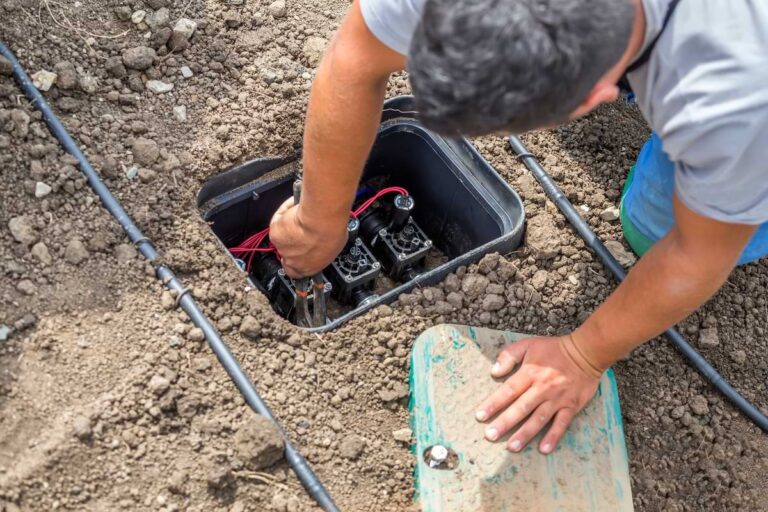
- Valve Box Sizing – Make sure that your sprinkler valve box is large enough to comfortably accommodate the valve, wiring, and any future repairs. A box that’s too small can make adjustments difficult and increase the risk of damage to the valve.
- Height Requirements for Anti-Siphon Valves – Anti-siphon valves are a type of backflow preventer that must be installed at a certain height above the highest sprinkler head in the zone. Failing to meet this requirement can compromise your water supply.
Order Valves at Sprinkler Warehouse
If you’re looking to order a new sprinkler valve (or any irrigation supplies), you can shop at SprinklerWarehouse.com. You can browse through hundreds of different sprinkler valves in all of the most common sizes, alongside all kinds of lawn irrigation supplies to help you build a backyard masterpiece. If you have any questions about sprinkler valve sizes, you can also get in touch with an irrigation expert right away.
Sprinkler Valve Size FAQs
Can I use a bigger valve than my pipe?
Using a valve larger than your pipe is not recommended. It can cause pressure fluctuations and inefficient water flow, leading to uneven watering or system stress. Always try to match the valve size to your pipe diameter to maintain proper pressure and long-term consistency.
What happens if my sprinkler valve is too small?
If your sprinkler valve is too small for your system, it will restrict water flow and reduce pressure at the sprinkler heads, which can cause uneven coverage. Small valves also force your irrigation pump to work harder, increasing wear and risk of damage. Instead, the valve should be carefully chosen to handle the maximum GPM of the pipes.
Do I need a different valve for drip irrigation?
Drip irrigation typically requires lower flow rates and lower pressure than other sprinkler systems. Using a standard sprinkler valve without a pressure regulator can damage your drip emitters or cause uneven watering. Many drip systems use ½-inch or ¾-inch valves with built-in or separate pressure regulators to protect the system.
Happy watering, Irri-Gators!