


What Irrigation Backflow Preventer Is Right for Me?
Choosing the right irrigation backflow preventer starts with understanding your irrigation system, property layout, and local requirements.
The correct device protects your drinking water from contaminants while allowing your sprinkler system to operate as intended. Factors like yard elevation, water pressure, flow rate, and potential exposure to chemicals all affect which backflow preventer you need.
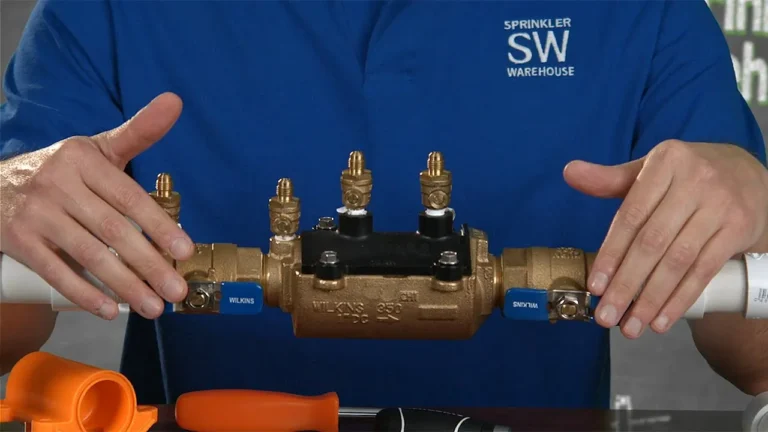
Not every property requires the same type of protection. A flat residential yard may work well with a pressure vacuum breaker (PVB), while a property with chemical injection or a higher contamination risk may require a reduced pressure zone (RPZ) assembly.
Before purchasing an irrigation backflow preventer, consider the following factors to find a device that fits your system and meets local codes.
Table of Contents
Choose the Right Backflow Preventer for Your Irrigation System in 7 Steps
Selecting a sprinkler system backflow preventer involves more than matching pipe sizes or choosing the least expensive option.
Evaluate these seven factors before deciding which device to install.
1: Check Your Local Backflow Prevention Requirements
Local plumbing codes and water authorities determine which backflow preventers are acceptable for different properties and irrigation applications. Start by checking your local requirements before purchasing a device, since an otherwise suitable model may not meet your area’s regulations.
- Required Device Type: Some municipalities require a specific backflow assembly for residential or commercial irrigation systems, while others base the requirement on the level of contamination risk. For example, your water authority may require a pressure vacuum breaker for a standard residential sprinkler system or an RPZ assembly for systems that introduce chemicals.
- Testing and Certification: Many jurisdictions require backflow preventers to meet recognized standards and undergo periodic testing by a certified professional. Check whether your local authority requires annual inspections, approved device models, installation permits, or test reports.
- Installation Requirements: Local codes may specify where a backflow preventer can be installed, how high it must sit, and whether it needs protection from freezing or physical damage. Confirm these details before choosing a device, especially if you plan to install it outdoors or below ground.
2: Consider Your Yard’s Elevation and Slope
The elevation of your property affects which backflow preventers can operate correctly and where you can install them. Some devices must sit above the highest sprinkler head, making yard slope an important consideration.
- Flat Yards: A pressure vacuum breaker (PVB) is often a practical choice for a relatively flat residential property with a standard irrigation system. It installs above ground on the mainline and must remain at least 6 inches above the highest downstream sprinkler head, or higher if local codes require it.
- Sloped Yards: Properties with hills or uneven terrain require additional attention because the highest sprinkler head determines the necessary installation height. A PVB may still work, but you may need a taller riser or a different installation location to maintain the required clearance.
- Below-Grade Installations: If your property cannot accommodate an above-ground assembly, a double check valve assembly (DCVA) may be an option where local codes permit it. These devices can be installed in an accessible underground vault, but the enclosure must provide adequate drainage, protection, and room for testing.
3: Determine Your Irrigation System’s Flow Rate
Your backflow preventer must accommodate the amount of water your sprinkler system needs without creating excessive pressure loss. Choosing the wrong size can restrict water flow, reduce sprinkler performance, and make it harder to operate multiple zones.
- Match Pipe Size: Start by checking the diameter of your irrigation mainline and the connection sizes available on the backflow assembly. Common residential irrigation connections include 3/4-inch and 1-inch fittings, while larger commercial systems may require bigger assemblies.
- Calculate Flow Demand: Determine how many gallons per minute (GPM) your irrigation system uses when operating its highest-demand zone. For example, a zone requiring 15 GPM needs a backflow preventer rated to handle that flow without exceeding acceptable pressure loss.
- Account for Pressure Loss: Every backflow assembly creates some resistance as water passes through its internal components. Check the manufacturer’s flow charts and pressure-loss ratings to make sure the selected device can supply your sprinkler heads with adequate operating pressure.
4: Evaluate the Risk of Water Contamination
The level of contamination risk on your property is one of the most important factors when choosing a backflow preventer. Systems that handle fertilizers, pesticides, or other chemicals generally require a higher level of protection than standard irrigation systems.
- Low-Hazard Applications: A double check valve assembly (DCVA) may be suitable for irrigation systems where the potential contaminants do not pose a high health hazard. Its two independent check valves provide protection against back-pressure and back-siphonage, subject to local approval.
- High-Hazard Applications: A reduced pressure zone (RPZ) assembly is designed for situations where contaminated water could pose a serious health risk. Its internal relief valve discharges water when pressure conditions indicate a potential backflow problem, helping prevent contaminated water from reaching the potable supply.
- Chemical Injection Systems: If your irrigation system uses fertilizer injection, pesticide application, or other chemical treatments, an RPZ assembly is commonly required. Always verify the specific hazard classification and local requirements before selecting a device.
5: Choose a Device That Fits Your Installation Location
Where you plan to install your backflow preventer can narrow down your options. Consider available space, accessibility, drainage, weather exposure, and the elevation of your irrigation system.
| Backflow Device | Typical Installation | Important Consideration |
| Pressure Vacuum Breaker (PVB) | Above ground | Must sit above the highest sprinkler head. |
| Reduced Pressure Zone (RPZ) | Above ground | Needs drainage for relief-valve discharge. |
| Double Check Assembly (DCVA) | Above ground or in an approved vault | Must remain accessible for testing. |
| Atmospheric Vacuum Breaker (AVB) | Above individual control valves | Must be above downstream outlets and cannot remain under continuous pressure. |
Before choosing a backflow preventer device, measure the available installation space and check the manufacturer’s clearance requirements. An RPZ assembly, for example, needs adequate drainage because its relief valve can discharge water during normal operation or a backflow condition.
6: Account for Freezing Temperatures and Weather Exposure
Outdoor backflow preventers are exposed to temperature changes that can damage internal components and cause leaks. If you live in an area with freezing winters, choose an installation that allows you to protect, drain, and maintain the device.
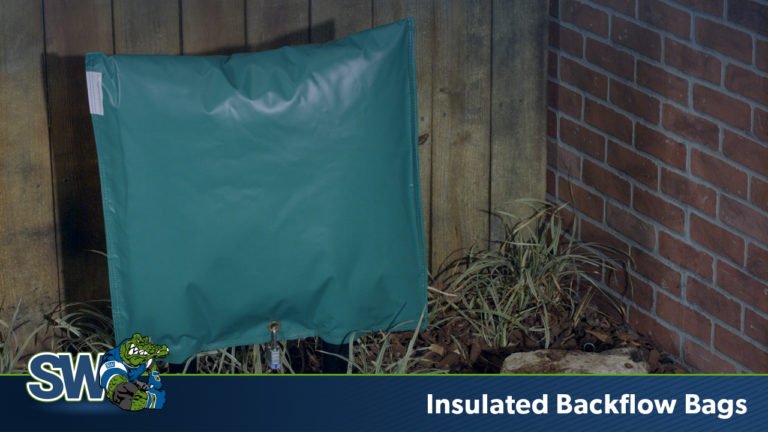
- Above-Ground Protection: PVB and RPZ assemblies are commonly installed outdoors, where exposed pipes and internal components can freeze. Use an appropriately sized insulated backflow cover and protect exposed piping with suitable insulation, while following manufacturer instructions for winterization.
- Underground Protection: A DCVA installed in an approved underground vault may have less direct exposure to freezing temperatures. However, the vault must meet local installation requirements and provide sufficient access for testing, maintenance, and drainage.
- Seasonal Maintenance: Winterize your irrigation system before freezing temperatures arrive, following the backflow assembly manufacturer’s instructions. Depending on the device, this may involve shutting off the water supply, draining the assembly, and protecting exposed components from freezing.
7: Compare Installation and Long-Term Maintenance Costs
The purchase price is only one part of choosing a backflow preventer. Consider installation expenses, required testing, potential repairs, and the cost of maintaining the device over its expected service life.
- Initial Equipment Cost: Atmospheric vacuum breakers are generally inexpensive, but multiple units may be necessary if your system has several control valves. A single PVB or DCVA may offer better overall value when protecting an entire irrigation system, provided local codes allow it.
- Installation Expenses: Above-ground assemblies may require additional piping, supports, and protective enclosures, while underground installations need suitable vaults and drainage. RPZ assemblies can also require additional plumbing to manage relief-valve discharge.
- Testing and Repairs: Many backflow assemblies require periodic testing by a certified professional, and local authorities may require annual testing. Account for these ongoing expenses when comparing devices, since internal valves, springs, seals, and other components may eventually need repair or replacement.
Choose an Irrigation Backflow Preventer That Fits Your Sprinkler System
The right irrigation backflow preventer depends on your property’s layout, water flow requirements, contamination risks, and local plumbing codes. Before purchasing a device, confirm which assemblies your water authority approves and make sure the model can handle your system’s pressure and flow demands.
Taking the time to evaluate these factors helps protect your drinking water, maintain reliable sprinkler performance, and avoid costly installation changes or compliance issues.
FAQs for Irrigation Backflow Preventers
What is a backflow preventer in irrigation?
An irrigation backflow preventer is a plumbing device that stops contaminated water from flowing backward into your home’s drinking water supply. Common options include pressure vacuum breakers, double check assemblies, and reduced pressure zone assemblies. Sprinkler Warehouse carries backflow prevention products to help protect your irrigation system and water supply.
Does an irrigation system need a backflow preventer?
Yes, most irrigation systems connected to a potable water supply require backflow protection to prevent fertilizers, pesticides, soil, and other contaminants from entering drinking water. Local plumbing codes determine which device is required for your property. You can find several irrigation backflow preventer options at Sprinkler Warehouse.
Can I install my own irrigation backflow preventer?
You may be able to install your own irrigation backflow preventer, depending on local plumbing codes and certification requirements. Proper sizing, placement, and testing are essential, and many municipalities require installation and testing by qualified professionals. Sprinkler Warehouse offers backflow prevention products for homeowners and contractors completing irrigation projects.
If you want to stay up-to-date on the latest Sprinkler Warehouse news and make the most of all of our one-of-a-kind promotions, join the Irri-Gator community today. Happy watering, Irri-Gators!