


What Is a Backflow Preventer and How It Works
A backflow preventer protects drinking water by stopping contaminated water from flowing backward into the public water supply. These devices are especially important in irrigation systems, where water can come into contact with fertilizers, pesticides, animal waste, soil, and other potential contaminants.
Understanding how a backflow preventer works starts with knowing what the device does, why backflow happens, and how its internal components work together to keep drinking water safe.
Table of Contents
How Does a Backflow Preventer Work to Protect Drinking Water?
A backflow preventer is a mechanical device installed in a plumbing or irrigation system to prevent water from flowing in the wrong direction. It allows water to travel from the clean supply into the system while blocking potentially contaminated water from returning to the potable water supply.
To understand how the device works, it helps to look at the conditions that cause backflow and the components that prevent it.
1: Understand What a Backflow Preventer Does
A backflow preventer creates a protective barrier between drinking water and water that could contain pollutants or contaminants. It is installed at a cross-connection, where a potable water supply connects to a system that could introduce unwanted substances.
- Cross-Connection Protection: A cross-connection is any physical connection between drinking water and a potential source of contamination. An irrigation system is a common example because water inside its pipes can come into contact with fertilizers, pesticides, soil, and other substances.
- One-Way Water Flow: Under normal operating conditions, water moves from the potable supply through the backflow preventer and into the irrigation system. The device uses valves, pressure differences, or an air gap to prevent water from traveling backward.
- Contamination Prevention: Without backflow protection, contaminated irrigation water could enter household plumbing or the public water distribution system. A properly selected and maintained backflow preventer helps keep these substances out of drinking water.
2: Recognize the Two Conditions That Cause Backflow
Backflow occurs when water reverses direction and flows from a downstream system into the potable water supply. This can happen through backsiphonage or backpressure, depending on changes in water pressure.
Both conditions can introduce harmful substances into drinking water, which is why irrigation systems generally require an approved backflow prevention assembly.
- Backsiphonage: Backsiphonage occurs when pressure in the potable water supply drops below the pressure in the connected system, creating a vacuum that pulls water backward. A water main break, firefighting activity, or other sudden drop in supply pressure could cause contaminated irrigation water to be drawn into the drinking water lines.
- Backpressure: Backpressure happens when pressure in the connected system becomes greater than the pressure in the potable water supply. For example, an irrigation booster pump could create enough pressure to push fertilizer-treated water backward through the plumbing connection if the system lacks appropriate backflow protection.
3: Identify the Main Parts of a Backflow Preventer
Although backflow preventers come in several designs, they all serve the same basic purpose: allowing water to move forward while preventing reverse flow. Their internal components work together to maintain proper pressure, close off unwanted flow, and protect the potable water supply.
- Check Valves: Check valves open when water flows in the intended direction and close when water pressure reverses. Depending on the device, one or more check valves provide a physical barrier against reverse water flow.
- Relief Valve: Some backflow assemblies, particularly reduced pressure zone (RPZ) assemblies, include a relief valve that opens when pressure conditions become unsafe. It releases water from the assembly to help prevent contaminated water from reaching the potable supply.
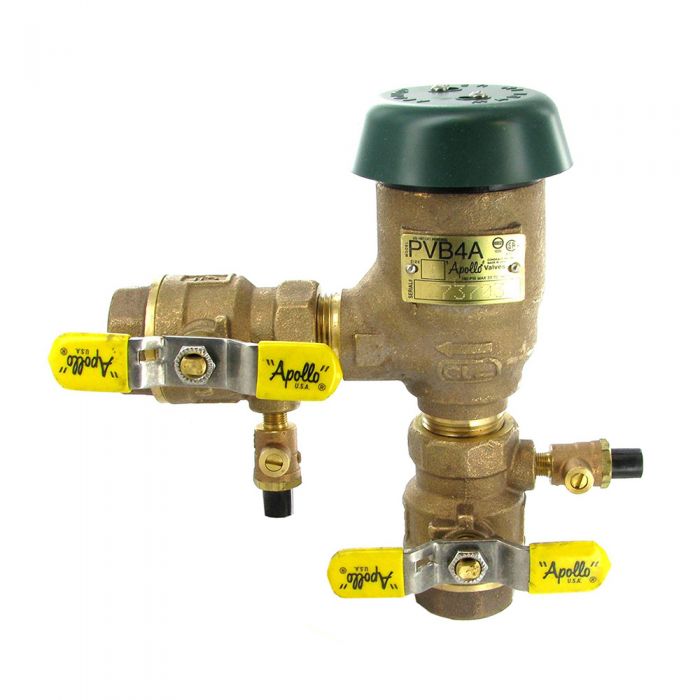
- Air Inlet: Pressure vacuum breakers use an air inlet valve that opens when downstream pressure drops below atmospheric pressure. This allows air into the assembly, breaking the vacuum that could otherwise siphon contaminated water backward.
- Shutoff Valves: Shutoff valves are installed at the inlet and outlet of many testable backflow assemblies. They allow technicians to isolate the device for testing, maintenance, and repairs.
- Test Cocks: Test cocks are small fittings that allow technicians to connect testing equipment and measure pressure within the assembly. These measurements help determine whether the internal components are operating correctly.
4: Compare the Main Types of Backflow Preventers
Different backflow preventers use different mechanisms to stop reverse water flow. The appropriate device depends on the potential contamination hazard, plumbing configuration, water pressure, and local code requirements.
| Backflow Preventer | How It Works | Common Application |
| Pressure Vacuum Breaker (PVB) | Uses an air inlet and check valve to prevent backsiphonage. | Irrigation systems without downstream backpressure. |
| Double Check Assembly (DCVA) | Uses two independent check valves to stop reverse flow. | Approved low-hazard applications. |
| Reduced Pressure Zone (RPZ) | Uses two check valves and an intermediate relief valve to protect against backpressure and backsiphonage. | High-hazard applications, including certain irrigation systems. |
| Atmospheric Vacuum Breaker (AVB) | Admits air to break a vacuum and prevent backsiphonage. | Individual outlets where installation and operating restrictions are met. |
Not every backflow preventer provides the same level of protection. For example, a pressure vacuum breaker is designed to prevent backsiphonage but does not provide protection against backpressure. An RPZ assembly provides protection against both conditions and is commonly used where a higher level of protection is required.

5: Follow How Water Moves Through a Backflow Preventer
The easiest way to understand how a backflow preventer works is to follow the water through the device during normal operation and a backflow event. Although the exact process varies by assembly type, the basic principle remains the same.
- Normal Water Flow: Water enters the backflow preventer from the potable supply and passes through its internal components. The check valves open or remain in their operating positions, allowing water to continue toward the irrigation system.
- Pressure Changes: If the potable water supply loses pressure or downstream pressure increases, the device detects the change through its internal mechanical components. The check valves close, or an air inlet or relief valve activates, depending on the assembly design.
- Reverse Flow Prevention: Once the device responds to the pressure change, it blocks contaminated water from traveling toward the drinking water supply. Some assemblies also discharge water through a relief opening to provide additional protection.
- Return to Normal Operation: When proper pressure conditions return, the device can resume normal operation. Its internal components allow water to flow toward the irrigation system again, provided the assembly is functioning correctly.
A backflow preventer diagram typically illustrates the inlet, outlet, check valves, relief valve or air inlet, and the direction of normal water flow. Understanding how these components interact makes it easier to recognize why each part is important.
6: Install the Correct Backflow Preventer for Your System
Choosing the right backflow preventer is essential because different assemblies provide different levels of protection. The wrong device may not adequately protect drinking water or meet local plumbing requirements.
- Check Local Requirements: State and local plumbing codes determine which backflow preventers are approved for specific applications. Contact your local water authority or plumbing inspector to identify the requirements for your irrigation system.
- Evaluate the Hazard Level: Consider what substances could enter the irrigation system and whether the installation could create backpressure or backsiphonage. Fertilizers, pesticides, and other chemicals can create health hazards that require a higher level of backflow protection.
- Consider System Pressure: Check the operating pressure and whether the irrigation system uses booster pumps or other equipment that could create downstream backpressure. The selected assembly must provide protection under the system’s expected operating conditions.
- Plan for Testing and Maintenance: Some backflow preventers require annual testing by a certified backflow tester, depending on local regulations. Keep the assembly accessible for inspections, repairs, and seasonal winterization.
What is a Backflow Preventer? Keep Your Drinking Water Protected
Backflow preventers play an important role in protecting public drinking water from contamination. By understanding how the internal components work together, you can make better decisions about selecting, installing, and maintaining the right assembly for an irrigation system.
Always follow local codes and use an approved backflow preventer that provides the level of protection your application requires.
FAQs for What Is a Backflow Preventer
Do I really need a backflow preventer?
Yes, most irrigation systems require a backflow preventer to keep fertilizers, pesticides, animal waste, and other contaminants from entering the drinking water supply. Check with your local water authority to determine which type of backflow prevention device your system needs.
How do I know if my house has a backflow preventer?
Check near your home’s main water connection, irrigation shutoff, or sprinkler valve manifold for a backflow prevention assembly. If you have an irrigation system, consult your installation records or contact a plumbing professional to confirm whether a device is installed and meets local requirements.
What does a backflow preventer look like?
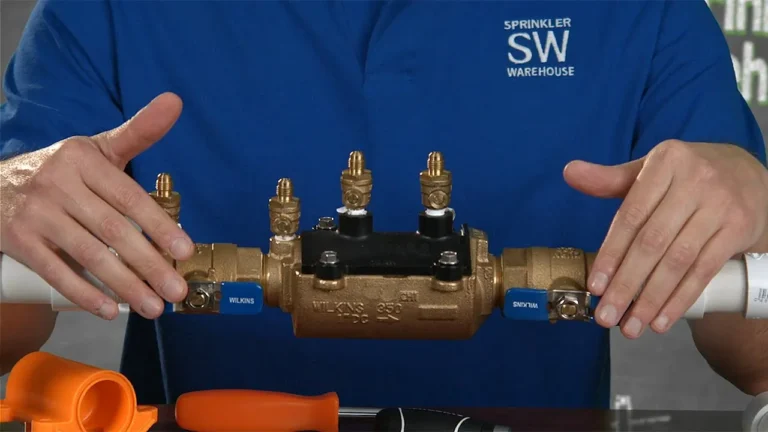
A backflow preventer is typically a brass or bronze assembly with valves, fittings, and sometimes a pressure relief valve or test ports. Common irrigation models include pressure vacuum breakers (PVBs) and reduced-pressure assemblies (RPs), which you can find at Sprinkler Warehouse.
If you want to stay up-to-date on the latest Sprinkler Warehouse news and make the most of all of our one-of-a-kind promotions, join the Irri-Gator community today. Happy watering, Irri-Gators!