



Table of Contents
Water Soluble Fertilizer Guide
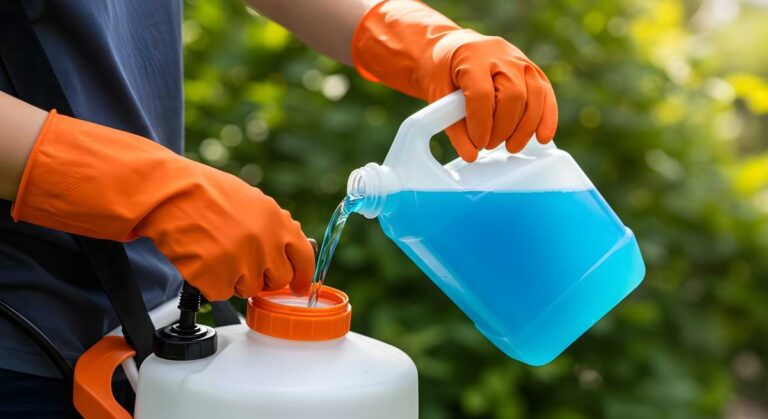
Water soluble fertilizers are a popular choice for homeowners and landscapers looking to deliver fast, efficient nutrition through irrigation systems. Designed to dissolve completely in water, these fertilizers move seamlessly through sprinklers, drip systems, or hose-end sprayers, feeding plants directly at the root zone.
This method, often called fertigation, ensures even nutrient distribution while saving time compared to traditional applications.
What Is Water Soluble Fertilizer?
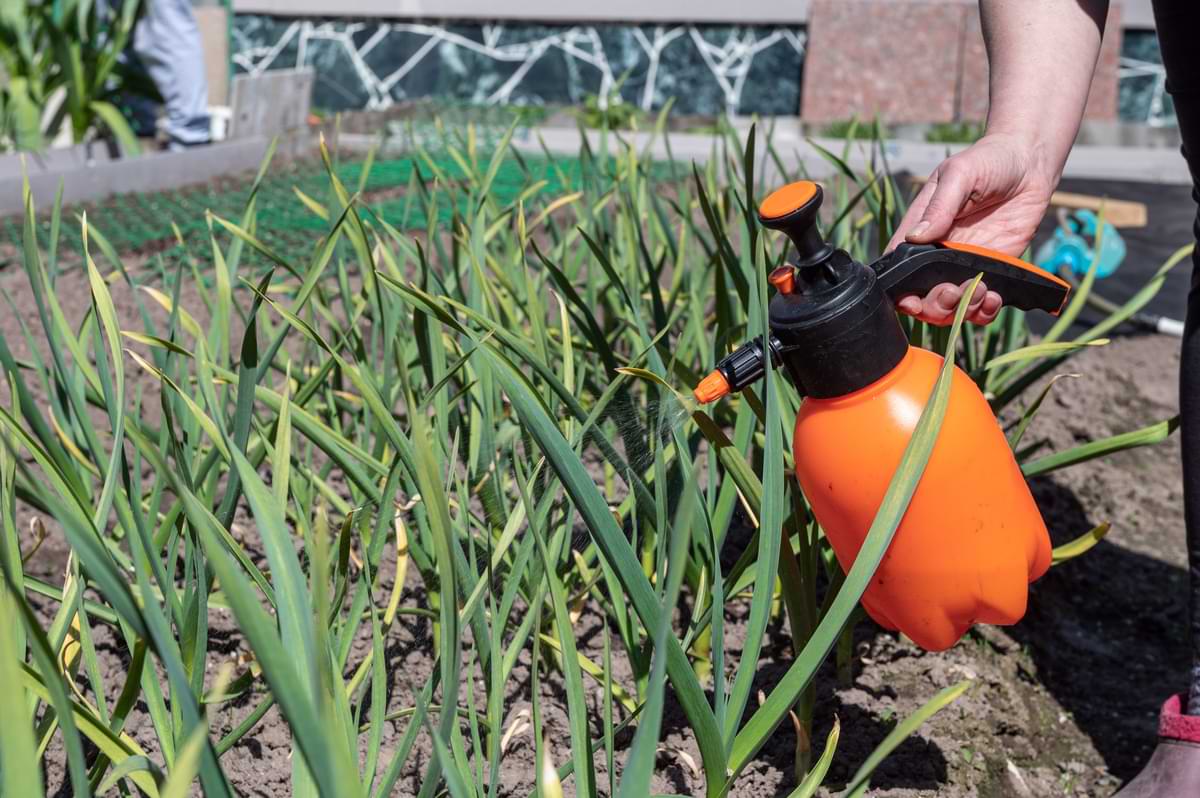
Water soluble fertilizer is a fast-acting plant nutrient that dissolves completely in water, making it ideal for use with sprinkler and irrigation systems. It allows nutrients to be delivered directly to plant roots through consistent, controlled watering.
How Water Soluble Fertilizer Works
Once mixed with water, this fertilizer travels through your irrigation system and is absorbed quickly by plant roots. Because nutrients are immediately available, plants can respond faster compared to traditional fertilizer methods.
- Dissolves Completely: Water soluble fertilizers break down fully in water, allowing nutrients to flow easily through irrigation systems without clogging components.
- Feeds Immediately: Nutrients are readily available for plant uptake, delivering faster visible results compared to slow-release options.
- Distributes Evenly: When paired with a well-designed irrigation system, fertilizer is applied uniformly across lawns, gardens, or landscapes.
The Pros & Cons of Water Soluble Fertilizer
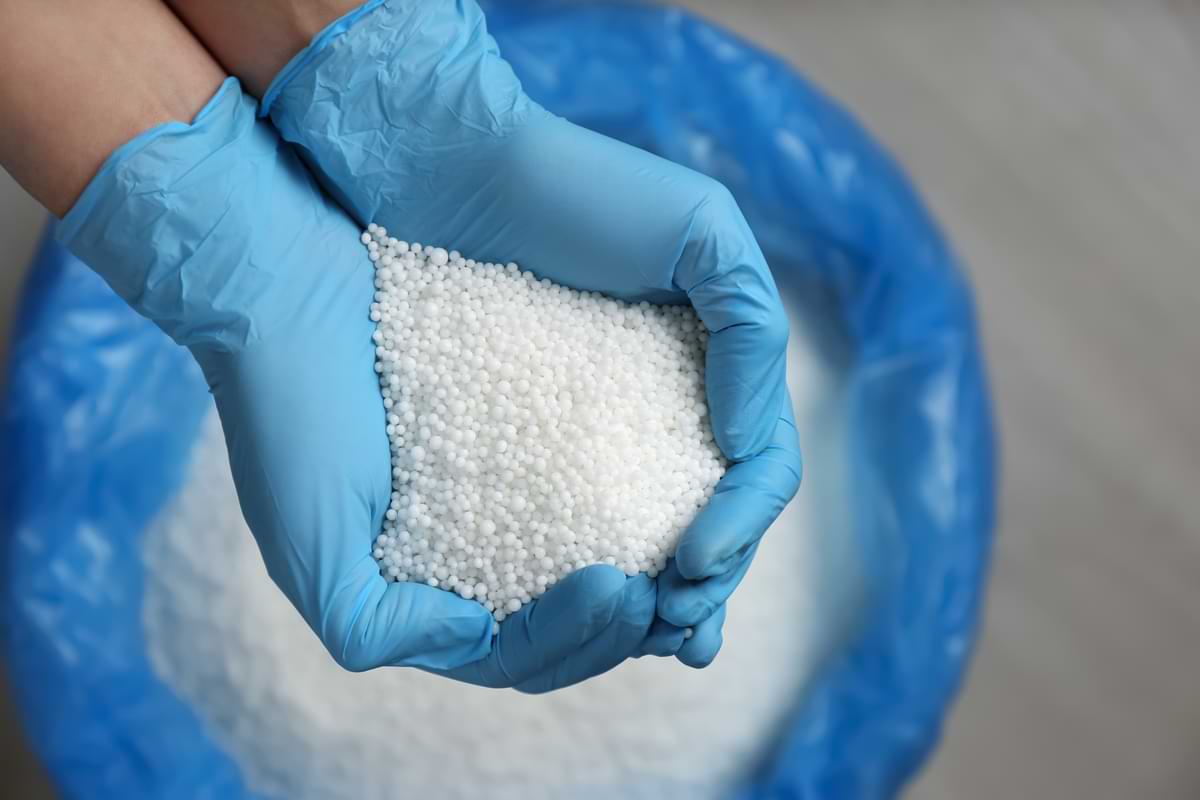
Like any fertilizer type, water soluble options come with clear advantages and a few trade-offs. Understanding both sides can help you decide if water soluble fertilizers are the right fit for your irrigation setup and maintenance routine.
The Pros of Water Soluble Fertilizers
The biggest advantage of water soluble fertilizer is its speed and efficiency, delivering nutrients evenly and almost instantly. It’s especially useful for correcting deficiencies quickly or maintaining consistent plant growth.
- Fast Acting Results: Plants absorb nutrients quickly, leading to greener lawns and more vigorous growth in a short period of time.
- Even Nutrient Coverage: Fertigation ensures consistent application across all irrigated areas, reducing patchy growth.
- Easy Application: Mixing fertilizer into irrigation systems eliminates the need for manual spreading or additional equipment.
- Customizable Feeding: You can adjust concentration levels based on plant type, season, or soil conditions.
The Cons of Water Soluble Fertilizers
The same fast-release nature that makes it effective also means nutrients don’t last as long in the soil. This can require more frequent applications and careful monitoring to avoid waste or runoff.
- Frequent Applications Needed: Because nutrients are immediately available, they can also be depleted quickly, requiring more frequent feeding.
- Leaching Risk: Excess watering or heavy rain can wash nutrients past the root zone, reducing efficiency.
- System Dependency: Proper application depends on a well-maintained irrigation system to avoid uneven distribution.
- Mixing Precision Required: Incorrect dilution rates can lead to over- or under-fertilizing plants.
Water Soluble vs. Other Fertilizer Types
Water soluble fertilizers differ from granular fertilizer and slow-release fertilizer options in how quickly they act and how they’re applied. Choosing the right fertilizer depends on your irrigation setup, maintenance routine, and plant needs.
| Feature | Water Soluble Fertilizer | Granular Fertilizer | Slow-Release Fertilizer |
| Application Method | Mixed with irrigation water | Spread on soil surface | Applied to soil with delayed release |
| Speed Of Results | Fast | Moderate | Slow |
| Application Frequency | Frequent | Occasional | Infrequent |
| Nutrient Control | Highly Adjustable | Limited | Pre-determined |
| Best Use Case | Irrigation systems, quick feeding | General lawn care | Long-term soil health |
Water Soluble Fertilizer Best Practices for Irrigation
Using water soluble fertilizer effectively comes down to proper mixing, timing, and system maintenance. Following best practices ensures even distribution, healthier plants, and minimal nutrient loss.
- Measure Carefully: Always follow recommended dilution rates to avoid damaging plants or wasting product.
- Monitor Watering: Adjust irrigation schedules to prevent nutrient runoff or over-saturation.
- Maintain Equipment: Keep sprinkler heads, emitters, and injectors clean to ensure proper fertilizer distribution.
Maximizing Efficiency with Water Soluble Fertilizer
Water soluble fertilizer offers a powerful way to combine irrigation and plant nutrition into one efficient system. When used correctly, it delivers fast, even results that support healthier lawns and landscapes. By balancing application frequency, proper mixing, and smart watering practices, you can get the most out of your irrigation system while minimizing waste.
FAQs for Water Soluble Fertilizers
What is a water soluble fertilizer?
Water soluble fertilizer is a type of plant nutrient that dissolves completely in water, allowing it to be delivered through irrigation systems or mixed for direct application. It provides nutrients in a form that plants can absorb immediately through their roots. This makes it ideal for quick feeding and correcting nutrient deficiencies.
What are the disadvantages of water soluble fertilizer?
Water soluble fertilizer doesn’t stay in the soil long, so it often requires more frequent applications than slow-release options. It can also be prone to leaching, especially with heavy watering or rain, which may reduce effectiveness. Additionally, improper mixing or over-application can lead to plant stress or wasted nutrients.
How often should you use water soluble fertilizer?
Water soluble fertilizer is typically applied more frequently than granular types, often every one to two weeks depending on plant needs. The exact schedule depends on factors like soil type, plant variety, and irrigation frequency. Following product guidelines and monitoring plant health will help you determine the right timing.
If you want to stay up-to-date on the latest Sprinkler Warehouse news and make the most of all of our one-of-a-kind promotions, join the Irri-Gator community today. Happy watering, Irri-Gators!