



Table of Contents
Best Tree Fertilizer Practices
Tree fertilizer plays a crucial role in supporting healthy growth beyond what irrigation alone can provide. A healthy irrigation system keeps your trees hydrated—but if you want strong roots, vibrant foliage, and consistent growth, fertilizer is the missing piece.
Different trees have different nutrient needs, and pairing the right fertilizer with proper watering ensures those nutrients actually reach the root zone where they matter most.
Common Types of Tree Fertilizer
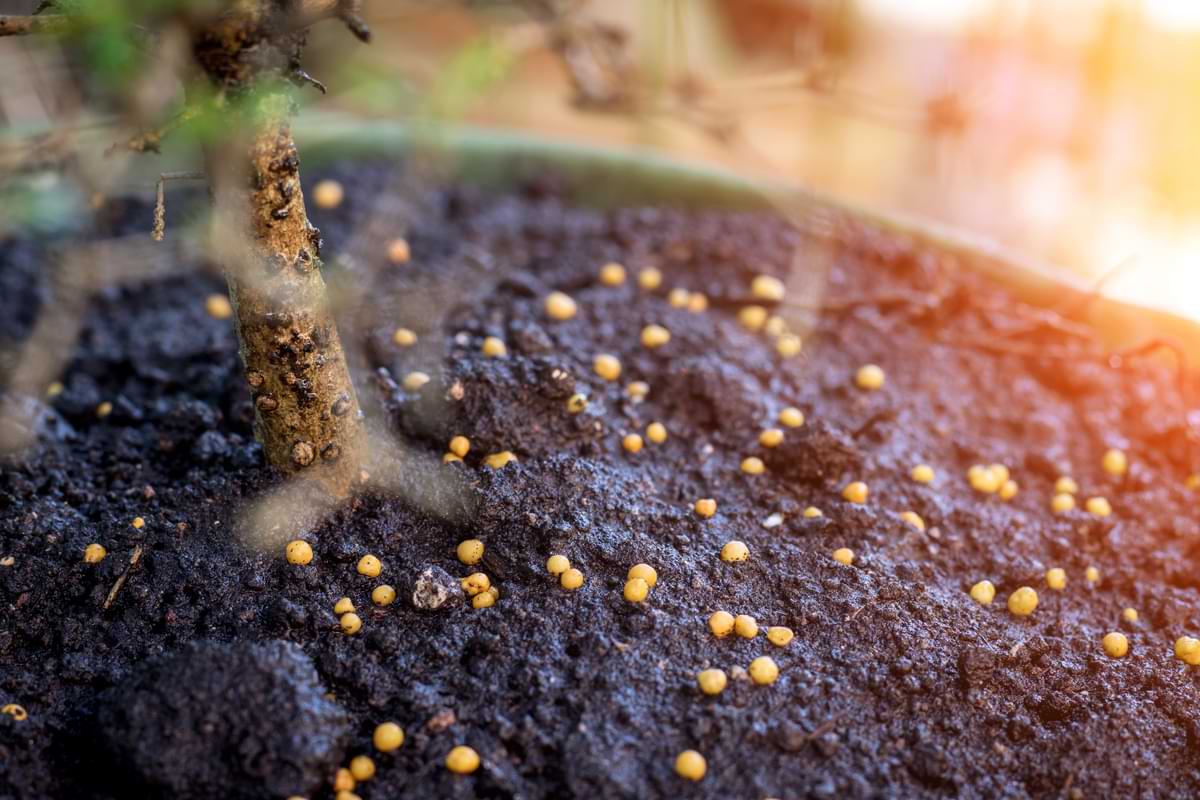
Choosing the right tree fertilizer isn’t a one-size-fits-all decision. Different trees have unique nutrient demands based on their growth habits, fruit production, and root systems.
Understanding these differences helps you apply the right nutrients at the right time—especially when paired with proper irrigation for maximum absorption.
1: Bonsai Fertilizer
Because bonsai trees live in confined soil environments, they rely on carefully measured nutrients to stay healthy without overstimulating growth.
- Supports Controlled Growth: Bonsai fertilizer provides balanced nutrients that encourage steady, manageable growth without overwhelming the plant.
- Requires Frequent Application: Because nutrients flush out quickly with regular watering, bonsai trees need light, consistent feeding.
- Pairs With Careful Irrigation: Slow, even watering helps prevent nutrient loss while keeping roots evenly moist.
- Apply Regularly: Apply bonsai fertilizer every 2–4 weeks during the active growing season (spring through early fall).
2: Fig Tree Fertilizer
Fig trees thrive with balanced nutrition that encourages leaf health while avoiding excessive growth that can limit fruit yield.
- Encourages Healthy Foliage: A balanced fertilizer supports leaf development without excessive growth.
- Avoids Overfeeding Issues: Too much fertilizer can reduce fruit production, so moderation is key.
- Integrates With Consistent Watering: Even irrigation helps maintain steady nutrient uptake.
- Schedule Carefully: Fertilize fig trees 2–3 times per growing season, ideally in spring and early summer.
3: Palm Tree Fertilizer
Palms require a specialized nutrient blend to prevent deficiencies and maintain strong, vibrant fronds in a variety of climates.
- Delivers Essential Micronutrients: Palm fertilizer typically includes magnesium, manganese, and potassium to prevent frond discoloration.
- Promotes Strong Fronds: Regular feeding keeps palms lush, green, and structurally sound.
- Benefits From Even Coverage: Irrigation should distribute nutrients evenly across the wide root system.
- Distribute Evenly: Apply palm fertilizer every 6–8 weeks during the warm growing season.
4: Citrus Tree Fertilizer
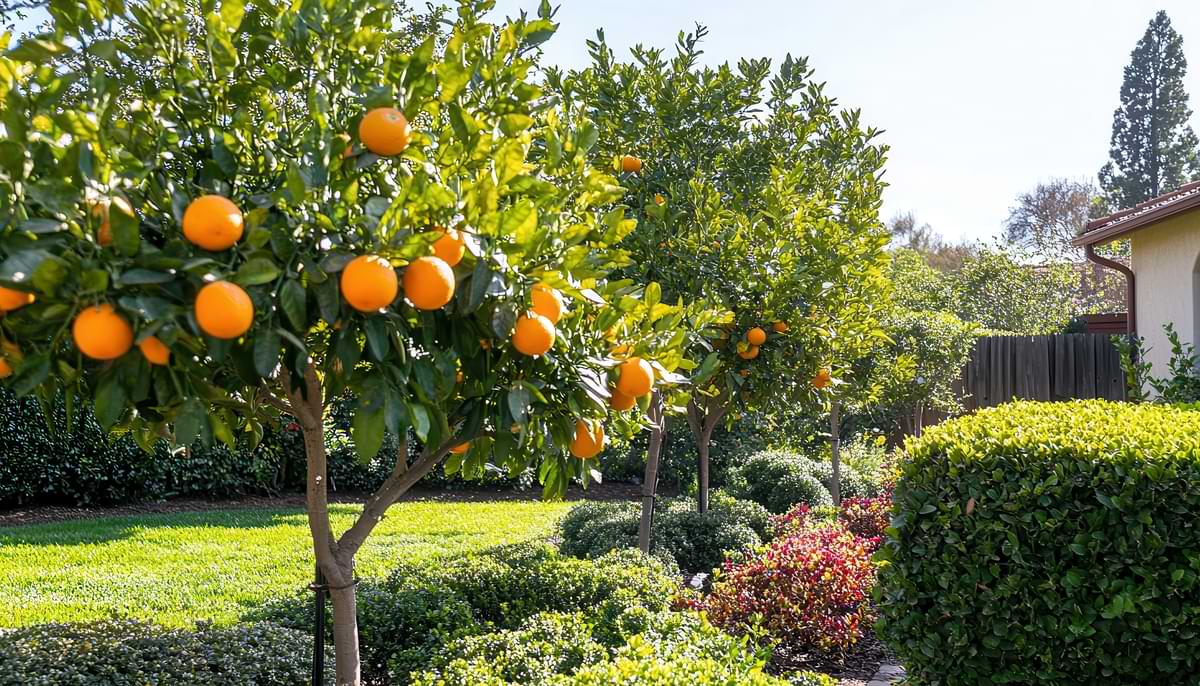
Citrus trees demand consistent feeding to support their rapid growth, glossy foliage, and high fruit production throughout the growing season.
- Boosts Fruit Production: Citrus fertilizers are high in nitrogen and micronutrients to support flowering and fruit development.
- Prevents Leaf Yellowing: Proper feeding helps avoid common deficiencies like iron chlorosis.
- Works Best With Deep Watering: Irrigation should soak the root zone to carry nutrients deep into the soil.
- Feed Consistently: Feed citrus trees every 4–6 weeks from early spring through late summer.
5: Boxwood Fertilizer
Boxwoods benefit from steady, slow-release nutrients that promote dense growth and maintain their rich green color year-round.
- Maintains Rich Color: Fertilizer prevents yellowing and promotes deep green leaves.
- Encourages Dense Growth: Regular feeding supports compact, full shapes.
- Works With Light Irrigation: Avoid overwatering, as boxwoods prefer well-drained soil.
Release Gradually: Use slow-release fertilizer for boxwoods 2-3 times per year: early spring, early summer, and early fall.
6: Fruit Tree & Cherry Tree Fertilizer
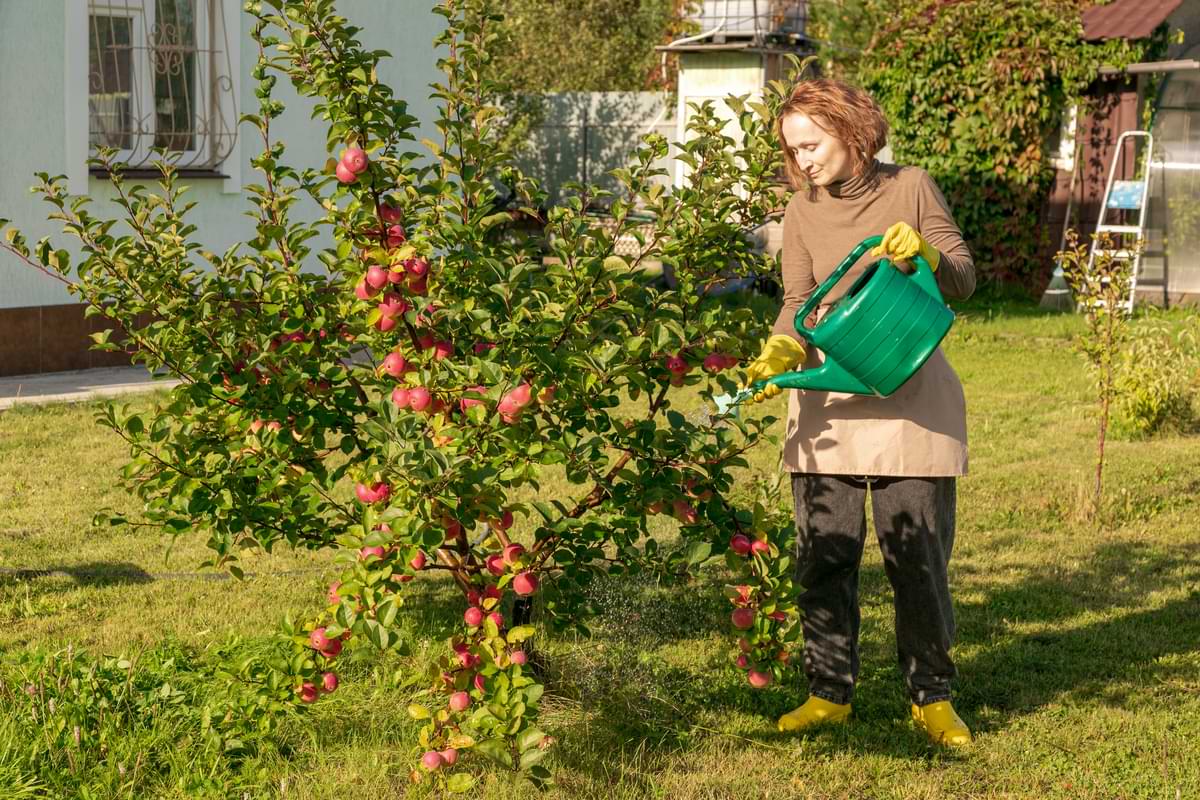
Fruit and cherry trees depend on well-timed fertilization to support flowering, fruit set, and overall crop quality.
- Supports Seasonal Growth Cycles: Fertilizer helps trees transition from flowering to fruiting stages.
- Improves Fruit Quality: Proper nutrients enhance size, flavor, and overall yield.
- Relies On Timed Irrigation: Watering schedules should align with fertilization to maximize absorption.
- Time Strategically: Apply fruit and cherry tree fertilizer 2–3 times per growing season: early spring, post-bloom, and mid-summer.
7: Peach Tree Fertilizer
Peach trees need targeted nutrients to fuel both vigorous growth and the development of large, flavorful fruit.
- Drives Fruit Development: Fertilizer rich in nitrogen and potassium supports larger, healthier peaches.
- Strengthens Tree Structure: Feeding helps branches support heavy fruit loads.
- Pairs With Deep Irrigation: Thorough watering ensures nutrients reach deeper roots.
- Nourish Seasonally: Fertilize peach trees 2–3 times per growing season: early spring, after fruit set, and mid-summer.
Tree Fertilizer: Best Practices & Comparison Chart
A clear fertilization schedule makes it easier to match each tree type with the right nutrients and timing. Use the chart below as a quick reference to align your fertilizer choices with proper irrigation practices for consistent, healthy growth.
| Tree Type | Fertilizer Type | Frequency | Best Irrigation Practice |
| Bonsai | Balanced Liquid | Every 2–4 weeks | Light, frequent watering |
| Citrus | High Nitrogen + Iron | Every 4–6 weeks | Deep, infrequent soaking |
| Palm | Palm-Specific Blend | Every 6–8 weeks | Wide, even coverage |
| Fig | Balanced Slow-Release | Every 6–8 weeks | Consistent, moderate watering |
| Fruit/Cherry | Seasonal Fruit Fertilizer | Early spring & summer | Timed deep watering |
| Boxwood | Evergreen Fertilizer | 2–3 times per year | Light, well-drained Irrigation |
| Peach | Nitrogen-Rich Blend | Early spring | Deep root zone soaking |
Grow Stronger Trees with the Right Tree Fertilizer for Your Setup
The right fertilizer can transform your trees—but it works best when paired with proper irrigation. By matching nutrient types with watering practices, you ensure consistent absorption, healthier roots, and long-term growth.
Whether you’re caring for ornamental bonsai or fruit-bearing trees, a thoughtful fertilization plan keeps your landscape thriving season after season.
FAQs for Tree Fertilizer
What is the best fertilizer for trees?
The best fertilizer depends on the tree type and growth stage. Balanced fertilizers with nitrogen, phosphorus, and potassium support overall health, while specialty blends target specific needs like fruiting or foliage color. Always pair fertilizer with proper watering to ensure nutrients reach the root zone.
Can I fertilize a tree in the fall?
Fertilizing in the fall is generally not recommended for most trees because growth slows as temperatures drop. Applying fertilizer too late can encourage new growth that may be damaged by frost. Spring or early summer fertilization is usually more effective for healthy development.
Is 12-12-12 fertilizer good for trees?
A 12-12-12 fertilizer is a balanced option suitable for many trees, providing equal parts nitrogen, phosphorus, and potassium. It works well for general maintenance and promoting overall growth. However, some trees may benefit more from specialized formulas depending on their specific nutrient needs.
If you want to stay up-to-date on the latest Sprinkler Warehouse news and make the most of all of our one-of-a-kind promotions, join the Irri-Gator community today. Happy watering, Irri-Gators!