




Table of Contents
Rose Bush Fertilizer Guide: Vibrant Blooms Await
Roses are heavy feeders that rely on consistent nutrients to produce lush foliage and continuous blooms. Pairing the right fertilizer with a well-designed irrigation system ensures nutrients reach the root zone effectively.
In this guide, we will break down the best fertilizers, timing, and application methods for thriving roses.
Understanding Rose Fertilizer Needs
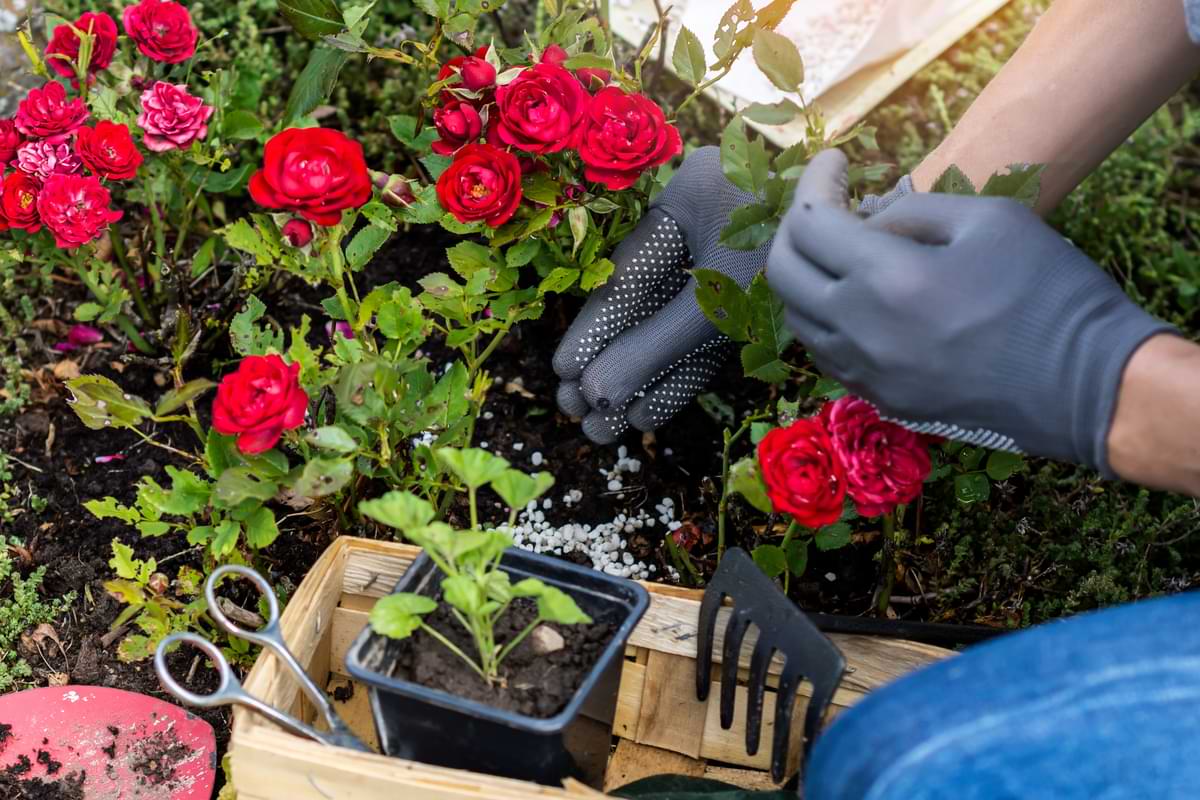
Roses require a balanced mix of nutrients to support root development, foliage growth, and flowering. Knowing what to feed them is the first step toward success.
- Nitrogen Needs: Nitrogen promotes leafy growth and strong stems, helping roses establish a healthy base early in the season.
- Phosphorus Importance: Phosphorus supports root development and encourages larger, more abundant blooms.
- Potassium Benefits: Potassium improves overall plant health, increasing disease resistance and drought tolerance.
Best Types of Fertilizer for Roses
Choosing the right fertilizer type helps match your watering system and maintenance routine. Different formats offer flexibility depending on your irrigation setup.
- Granular Fertilizer: Granular fertilizers provide slow-release nutrients and work well with drip irrigation for steady feeding.
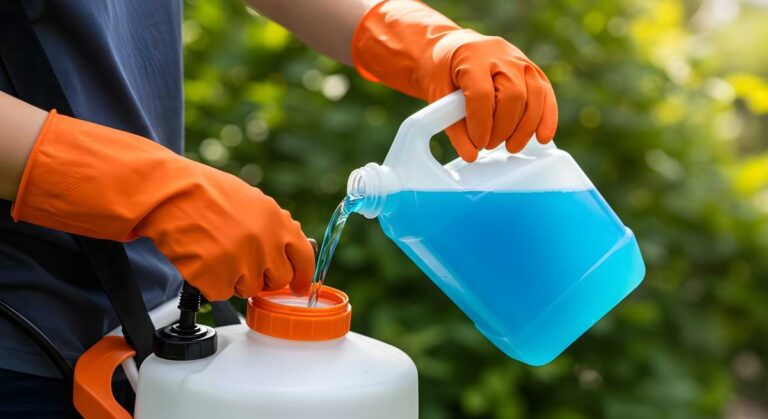
- Liquid Fertilizer: Liquid fertilizers deliver fast-acting nutrients and can be applied through hose-end sprayers or fertigation systems.
- Organic Fertilizer: Organic options improve soil structure over time while delivering gentle, consistent nutrition.
When and How Often to Fertilize Roses
Timing is critical to maximize blooms without overstressing plants. A consistent schedule aligned with watering cycles ensures optimal absorption.
- Early Spring Feeding: Apply the first fertilizer when new growth reaches 4–6 inches, typically in early spring after the last frost.
- Regular Feeding Schedule: Fertilize every 3–4 weeks during the growing season (spring through mid-summer) for continuous blooms.
- Late Season Cutoff: Stop fertilizing 6–8 weeks before the first expected fall frost to prevent tender growth.
Recommended Fertilization Schedule for Roses
Use this simple chart to guide your rose care throughout the growing season.
| Season Stage | Timing | Frequency | Fertilizer Type |
| Early Growth | Early spring (post-frost) (Feb-April) | Once per season | Balanced (10-10-10) |
| Active Blooming | Late spring to mid-summer (May-June) | Every 3–4 weeks | Liquid or granular |
| Peak Summer | Mid to late summer (July-August) | Every 4 weeks | Slow-release or organic |
| Pre-Dormancy | Late summer (6–8 weeks pre-frost) (September-October) | Final application | Low-nitrogen blend |
Tips for Fertilizing Roses with Irrigation Systems
Integrating fertilizer with irrigation improves efficiency and plant health. Proper application ensures nutrients are evenly distributed.
- Deep Watering First: Water roses thoroughly before fertilizing to prevent root burn and improve nutrient uptake.
- Even Distribution: Use drip irrigation or soaker hoses to deliver nutrients directly to the root zone of your roses.
- Avoid Overwatering: Too much water can wash nutrients away, which reduces effectiveness and wastes fertilizer.
Use the Best Rose Bush Fertilizer for Stunning Blooms
Healthy roses come down to consistency—steady feeding, proper timing, and efficient watering. When fertilizer and irrigation work together, your roses reward you with fuller blooms and stronger growth all season long.
Stick to a schedule, monitor plant response, and adjust as needed for the best results.
FAQs for Rose Fertilizer
What is the best fertilizer for rose bushes?
The best fertilizer for rose bushes is a balanced formula such as 10-10-10 or 12-12-12, which provides equal parts nitrogen, phosphorus, and potassium. These nutrients support healthy foliage, strong root development, and abundant blooms throughout the growing season. Many gardeners also use slow-release or rose-specific fertilizers to deliver steady nutrition over time and reduce the risk of overfeeding.
Do I fertilize roses in the fall?
You should generally avoid fertilizing roses in the fall, especially with high-nitrogen fertilizers, because this can encourage new growth that won’t survive winter. Late-season fertilizing can make plants more vulnerable to frost damage and stress. Instead, it’s best to stop fertilizing about 6–8 weeks before your area’s first expected frost date and let the plant naturally prepare for dormancy.
How to care for roses in October?
In October, focus on preparing roses for winter rather than encouraging new growth. Reduce watering as temperatures cool, remove any dead or diseased foliage, and stop fertilizing to allow the plant to harden off. You can also add mulch around the base of the plant to help insulate the roots and protect them from freezing temperatures.
If you want to stay up-to-date on the latest Sprinkler Warehouse news and make the most of all of our one-of-a-kind promotions, join the Irri-Gator community today. Happy watering, Irri-Gators!