






Table of Contents
How to Fertilize Orchids
Orchid fertilizers play a unique role in irrigation systems because orchids aren’t planted in traditional soil. Instead, they grow in airy media like bark or moss, which means nutrients must be delivered carefully and consistently—often through controlled watering.
When paired with a well-managed sprinkler or drip irrigation setup, the right fertilizer ensures orchids receive balanced nutrition without risking root damage from overwatering or buildup.
Orchid Fertilizer Basics
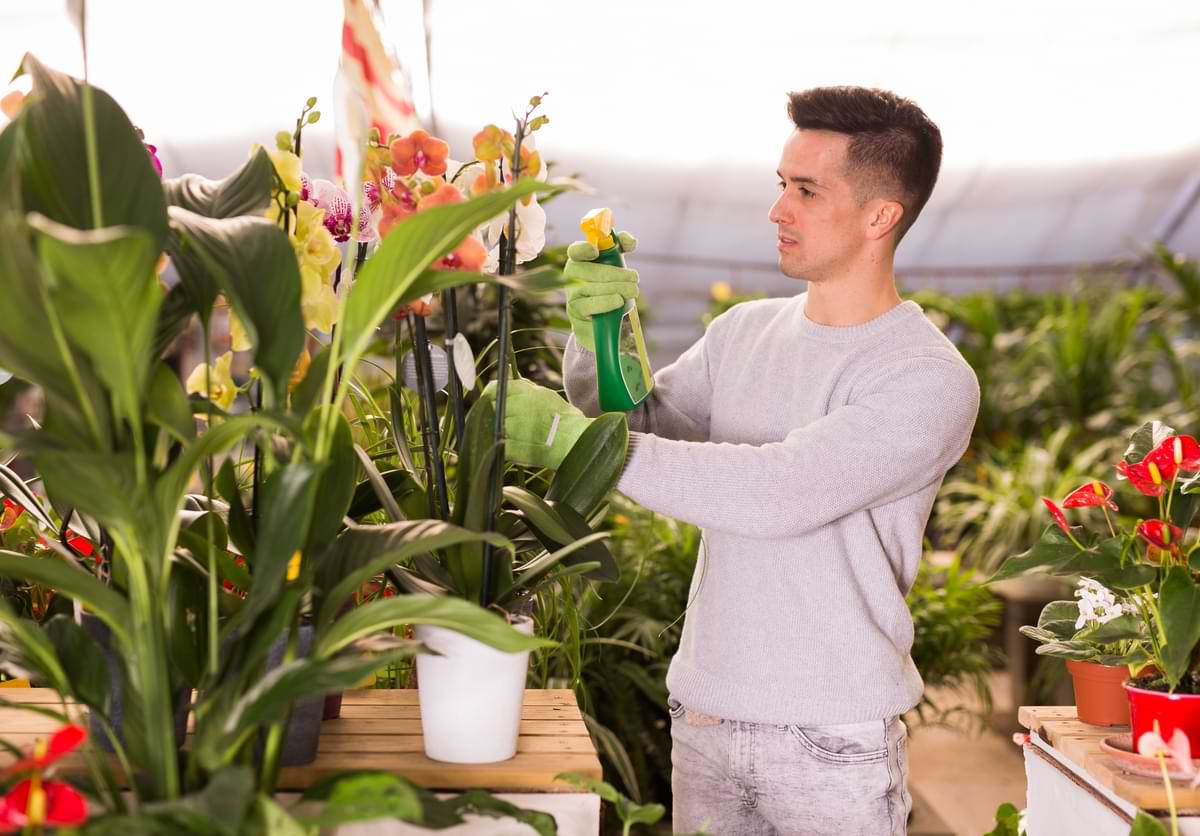
Orchid fertilizer is designed to deliver nutrients in a way that matches how orchids naturally grow—without soil and with plenty of airflow around their roots. Because of this, fertilizers are typically diluted and applied through water, making them ideal for integration with irrigation systems.
Understanding these basics helps prevent overfeeding while supporting steady, healthy growth.
- Balanced Nutrient Ratios: Orchid fertilizer typically uses balanced formulas like 20-20-20 to provide equal parts nitrogen, phosphorus, and potassium for steady growth.
- Diluted Application Rates: Orchids are sensitive feeders, so fertilizer is usually applied at quarter- to half-strength to avoid burning delicate roots.
- Water-Based Delivery: Fertilizer is most effective when dissolved in irrigation water, allowing nutrients to evenly coat the root system and growing medium.
Orchid-Specific Fertilizer
Orchid-specific fertilizers go beyond general plant nutrition by including micronutrients and specialized nitrogen sources that orchids can absorb more efficiently.
These formulas are designed to work with bark and moss growing media, ensuring nutrients don’t get trapped or wasted. They also dissolve cleanly, making them well-suited for drip irrigation and fertigation setups.
- Specialized Formulas: Orchid-specific fertilizer often includes micronutrients like calcium and magnesium that support root strength and flower development.
- Low-Urea Nitrogen Sources: Many blends avoid urea-based nitrogen because orchids absorb nutrients more efficiently from nitrate-based sources.
- Compatibility With Irrigation Systems: These fertilizers dissolve cleanly, making them ideal for fertigation through drip emitters or micro-sprinklers.
Best Orchid Fertilizer Practices
Fertilizing orchids successfully comes down to consistency and restraint rather than heavy feeding.
- Weakly Weekly Feeding: A common rule is “weakly, weekly,” meaning low-dose fertilizer is applied about once per week during active growth.
- Seasonal Adjustments: Feeding frequency can be reduced to every two to four weeks during dormant or cooler periods.
- Flush With Clean Water: Regularly running plain water through the irrigation system helps prevent salt buildup in the growing medium.
Orchid Flower Fertilizer Tips
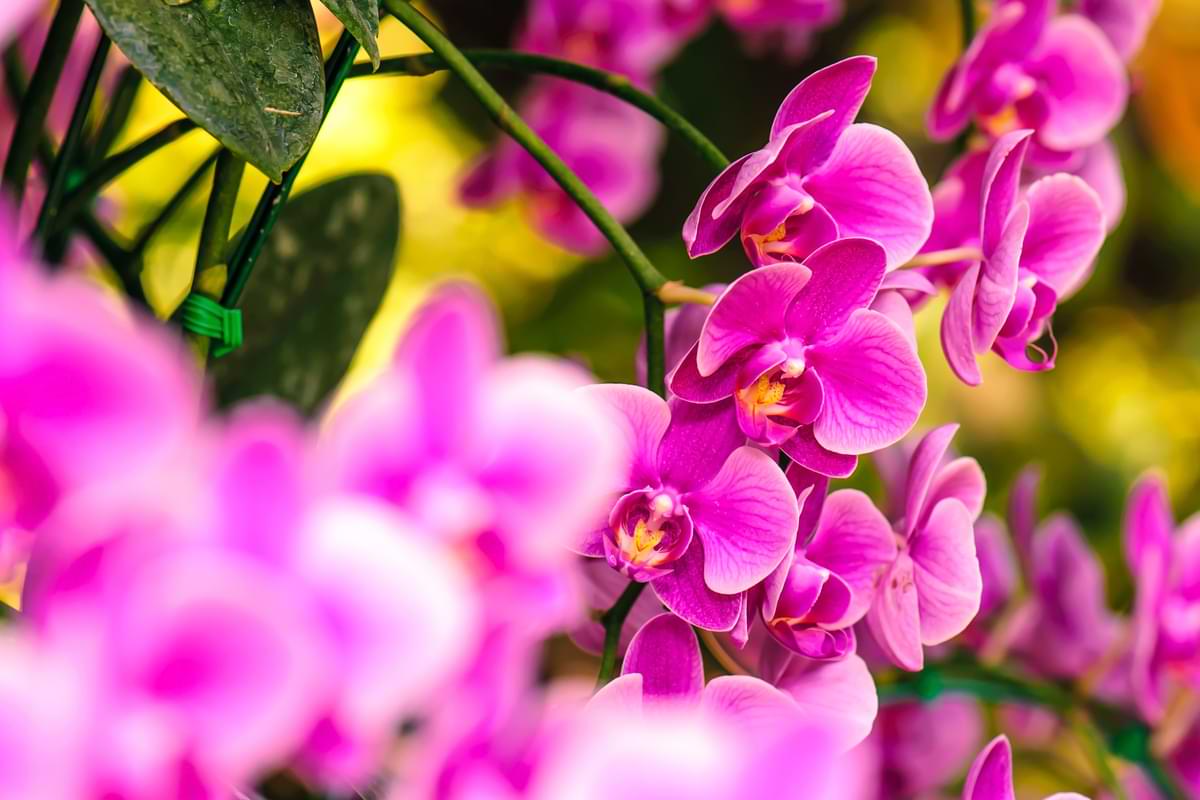
When orchids are preparing to bloom, their nutrient needs shift slightly to support flower development. Adjusting fertilizer ratios and timing during this stage can encourage stronger spikes and more vibrant blooms.
- Bloom-Boosting Ratios: Higher phosphorus formulas like 10-30-20 can encourage blooming when orchids are preparing to flower.
- Pre-Bloom Timing: Switching fertilizers about six to eight weeks before the expected bloom cycle supports stronger flower spikes.
- Consistent Moisture Levels: Even nutrient delivery depends on stable watering schedules, especially in automated irrigation setups.
Orchid Fertilization Schedule Chart
A structured fertilization schedule removes the guesswork and helps maintain consistency throughout the orchid’s growth cycle. By aligning feeding frequency with active growth, blooming, and dormancy periods, you can optimize plant health and flowering performance.
This chart provides a clear, irrigation-friendly guide to when and how often to fertilize.
| Growth Stage | Fertilizer Type | Frequency | Notes |
| Active Growth | Balanced (20-20-20) | Every 1 week | Use diluted solution (“weakly, weekly”) |
| Pre-Bloom | High Phosphorus | Every 2 weeks | Start 6–8 weeks before flowering |
| Blooming Phase | Balanced or Bloom Mix | Every 2–3 weeks | Reduce strength slightly |
| Dormant/Cool Season | Balanced (Diluted) | Every 3–4 weeks | Limit feeding and monitor moisture |
| Maintenance Flush | No Fertilizer (Water) | Every 4–6 weeks | Prevent salt buildup in media |
Orchid Fertilizer That Works With Your System
Choosing the best orchid fertilizer isn’t just about nutrients—it’s about how those nutrients move through your irrigation system. Whether you’re using drip irrigation, micro-sprays, or hand watering, consistency is key.
By combining proper dilution, a steady schedule, and occasional flushing, you can keep orchids thriving with healthy roots, vibrant foliage, and reliable blooms.
FAQs for Orchid Fertilizers
What is the best fertilizer for orchids?
The best fertilizer for orchids is a balanced, water-soluble formula—commonly 20-20-20 or similar—used at a diluted strength. Orchids prefer light, consistent feeding, so most growers follow a “weakly, weekly” approach with fertilizer mixed into irrigation water. For blooming, switching temporarily to a higher-phosphorus formula can help encourage stronger flower spikes and more vibrant blooms.
How to fertilize an orchid indoors?
To fertilize an orchid indoors, mix a water-soluble fertilizer at quarter- to half-strength and apply it during regular watering, ideally once per week during active growth. Always water the plant lightly first so the roots are damp, which helps prevent fertilizer burn and improves absorption. About once a month, flush the pot with clean water to remove any salt buildup and keep the growing medium healthy.
What are common orchid fertilizer mistakes?
Common orchid fertilizer mistakes include overfeeding, applying fertilizer to dry roots, and failing to flush the growing medium regularly. Using full-strength fertilizer or feeding too often can lead to salt buildup that damages sensitive roots and reduces flowering. Another frequent issue is fertilizing during dormancy or plant stress, when orchids don’t actively use nutrients and are more vulnerable to damage.
If you want to stay up-to-date on the latest Sprinkler Warehouse news and make the most of all of our one-of-a-kind promotions, join the Irri-Gator community today. Happy watering, Irri-Gators!