



Table of Contents
Flower Fertilizer: Your Guide to Growth
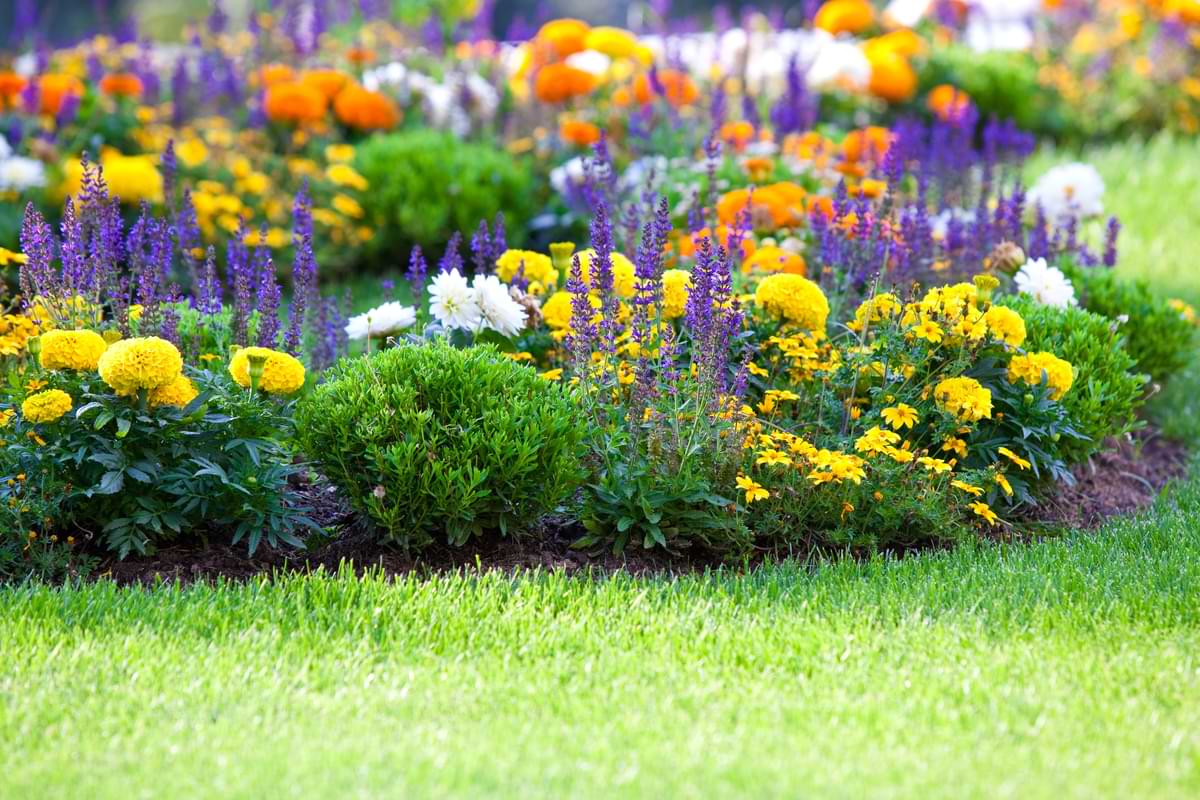
Flower fertilizer plays a key role in creating a vibrant landscape—it’s not just about water, but the right balance of nutrients working alongside your irrigation system. While sprinklers ensure consistent hydration, the right fertilizer helps blooms grow fuller, colors stay vivid, and roots develop lasting strength.
Flower Fertilizer Types
Many fertilizers—such as granular, liquid, or specialty blends like acidic formulas—can be used across flower beds, gardens, or specific plants, depending on application method and plant needs. From slow-release granules to fast-acting liquids, the right choice depends on your irrigation setup, plant variety, and how quickly you want to see results.
1: Flower Bed Fertilizer
Flower bed fertilizer is formulated to nourish multiple plants at once, promoting even growth and consistent blooming across your landscape. These fertilizers often focus on long-lasting nutrients that work well with scheduled irrigation cycles.
- Improves Soil Structure: A balanced, slow-release fertilizer enhances soil health, helping retain moisture delivered by irrigation systems.
- Supports Consistent Growth: Even nutrient distribution ensures uniform blooming across entire beds rather than patchy results.
- Pairs With Irrigation Timing: Applying before a scheduled watering cycle helps nutrients penetrate deeper into the root zone.
Apply During Growing Season: Fertilize flower beds 2–4 times between early spring and late summer to maintain steady growth and consistent blooms.
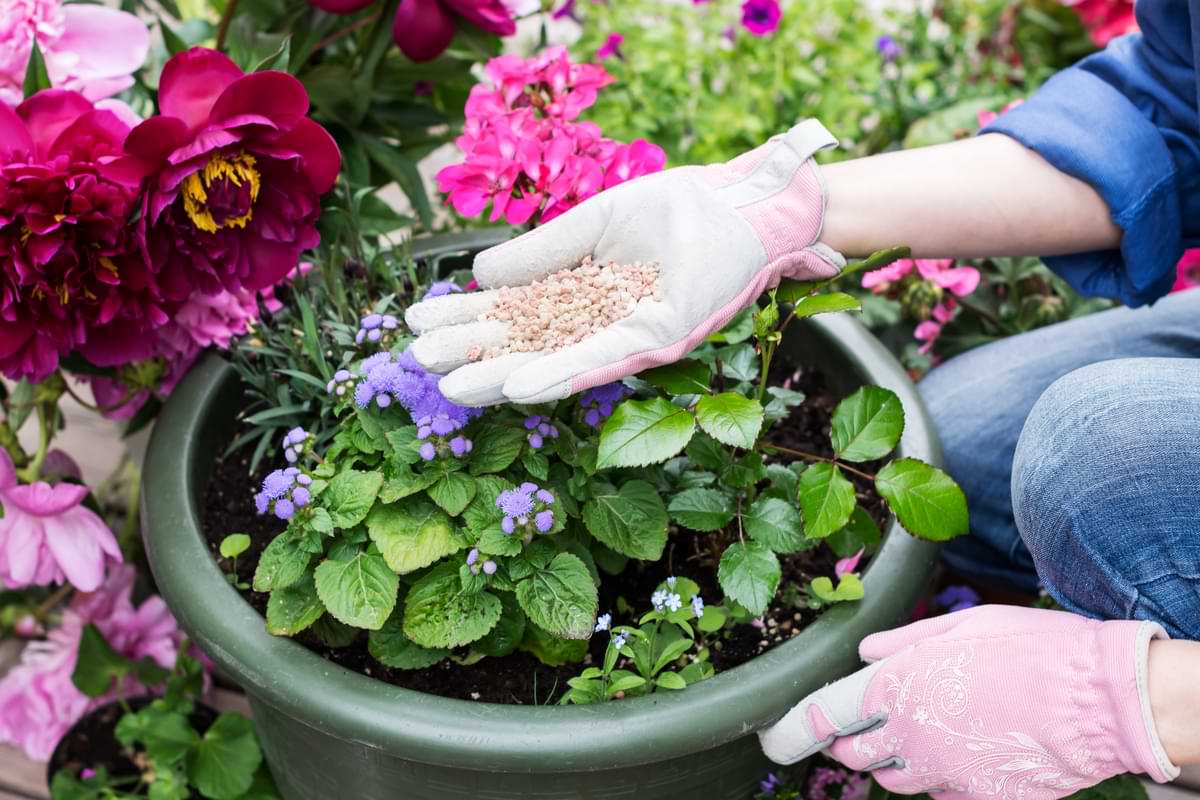
2: Flower Garden Fertilizer
same space. A balanced approach ensures all plants receive the nutrients they need without overfeeding or disrupting the overall ecosystem.
- Encourages Seasonal Blooms: Garden fertilizers tailored for flowering plants boost bud production throughout the growing season.
- Balances Nutrient Ratios: A mix with slightly higher phosphorus supports flowering without excessive leafy growth.
- Enhances Irrigation Efficiency: Nutrient-rich soil allows plants to make better use of every watering cycle.
- Feed Every 4 Weeks: Apply garden fertilizer approximately every 3–4 weeks during active growth periods to encourage continuous flowering without overfeeding.
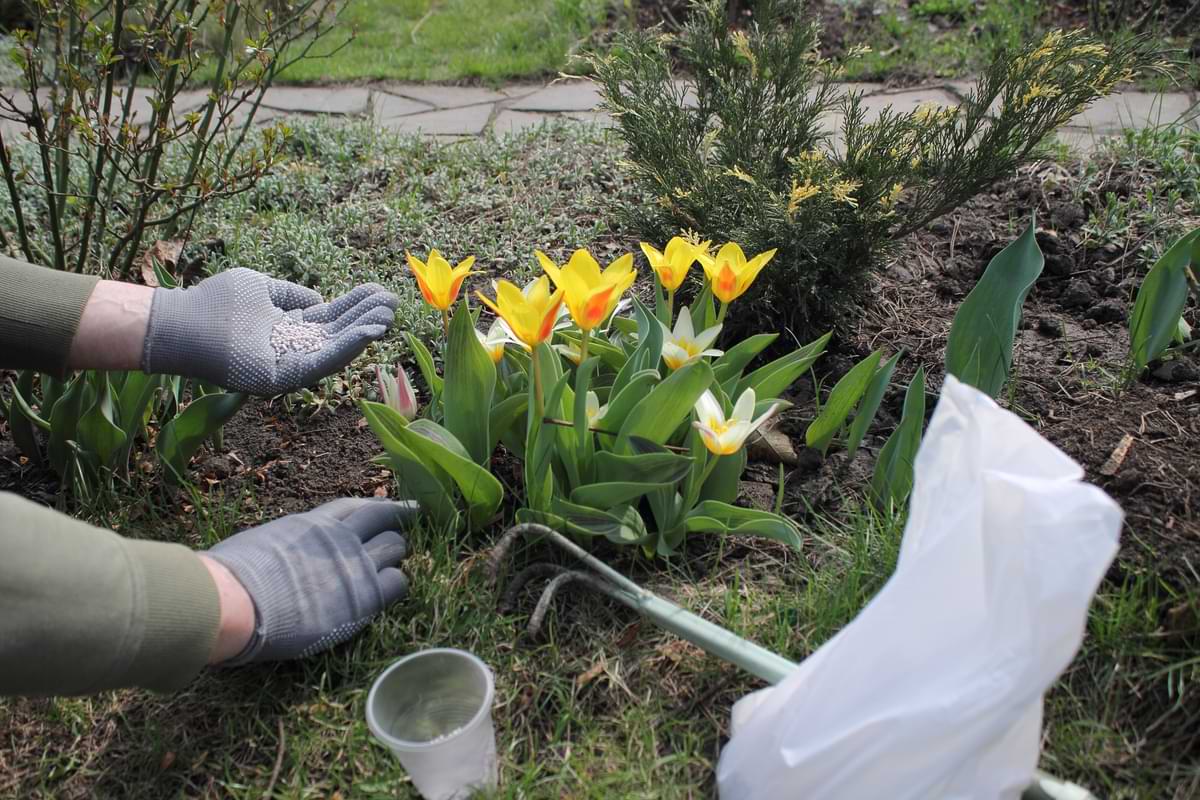
3: Flower Liquid Fertilizer
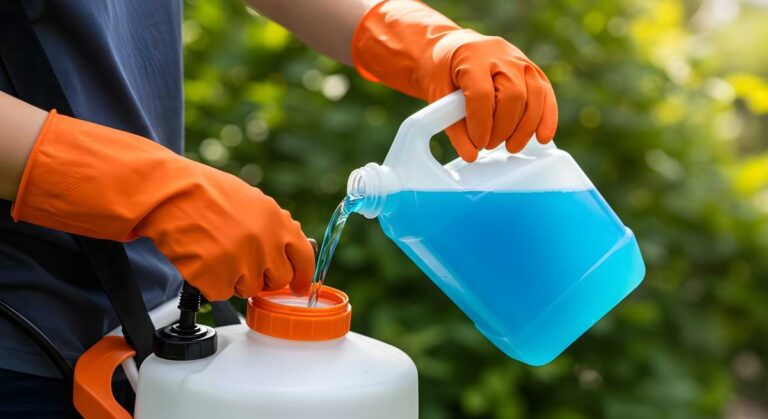
Flower liquid fertilizer provides a quick nutrient boost, making it perfect for correcting deficiencies or encouraging rapid blooming. It integrates easily with irrigation systems or hose-end sprayers for efficient application.
- Delivers Fast Absorption: Liquid fertilizers work quickly, making them ideal for plants needing an immediate nutrient boost.
- Integrates With Systems: They can be applied through hose-end sprayers or fertigation systems for easy distribution.
- Requires Frequent Application: Because they wash through soil faster, they should be applied more often alongside irrigation schedules.
- Boost Every 2 Weeks: Use liquid fertilizer every 1–2 weeks during peak bloom periods to provide fast-acting nutrients that complement regular irrigation.
Flower-Specific Fertilizer Tips
Different flowers have unique nutrient needs, making targeted fertilization essential for optimal performance. Understanding these differences helps you fine-tune your approach and get the best blooms from each plant type.
- Orchid Fertilizer: Orchids prefer diluted, balanced feeding during watering cycles to avoid root burn.
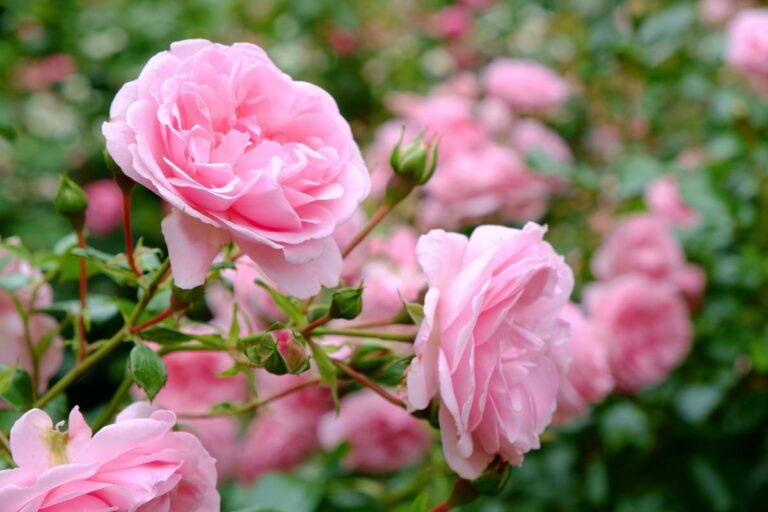
- Rose Fertilizer: Roses thrive on nutrient-rich formulas with regular feeding to sustain repeat blooms.
- Hydrangea Fertilizer: Hydrangeas benefit from fertilizers that can influence bloom color depending on soil pH.
- Hibiscus Fertilizer: Hibiscus plants need potassium-rich blends to support large, vibrant flowers.
- Peony Fertilizer: Peonies prefer light feeding, as over-fertilizing can reduce blooms.
- Bougainvillea Fertilizer: Low-nitrogen formulas encourage more flowers instead of leafy growth.
- Iris Flower Fertilizer: Irises benefit from low-nitrogen feeding to prevent rot and promote blooms.
- Gardenia Flower Fertilizer: Gardenias require acidic fertilizers to maintain healthy foliage and flowers.
Flower Fertilizer: Best Practices & Comparison Chart
A fertilization chart simplifies decision-making by outlining the best products, timing, and nutrient focus for each flower type. It serves as a quick reference to help align your fertilizer choices with your irrigation routine.
| Flower Type | Fertilizer Type | Frequency | Key Nutrient Focus | Irrigation Tip |
| Orchids | Diluted Liquid | Weekly (light dose) | Balanced (20-20-20) | Water lightly and frequently |
| Roses | Granular + Liquid | Every 4–6 weeks | High Phosphorus | Deep watering after feeding |
| Hydrangeas | Granular | Every 4–8 weeks | Balanced / pH-specific | Keep soil consistently moist |
| Hibiscus | Liquid | Every 2–3 weeks | High Potassium | Avoid overwatering |
| Peonies | Granular | 1–2 times per season | Low Nitrogen | Water deeply but infrequently |
| Bougainvillea | Granular | Monthly | Low Nitrogen | Allow soil to dry slightly |
| Irises | Granular | Early spring/fall | Low Nitrogen | Ensure well-drained soil |
| Gardenias | Acidic Fertilizer | Every 4–6 weeks | Acid-loving nutrients | Maintain steady moisture |
Growing Better Blooms With Smart Fertilization
The best flower fertilizer strategy works hand-in-hand with your irrigation system. By matching the right nutrients to each plant and timing applications with your watering schedule, you create an environment where flowers don’t just survive—they thrive. Whether you’re maintaining a small flower bed or a full garden, consistent care and the right fertilizer choices will reward you with healthier plants and longer-lasting blooms.
FAQs for Flower Fertilizer
What is the best fertilizer for flowers?
The best fertilizer for flowers is one balanced for blooms, often with a slightly higher phosphorus content to encourage flowering. Slow-release granular fertilizers provide steady nutrition, while liquid fertilizers deliver a quick boost. Choosing the right type depends on your flower species, soil conditions, and irrigation schedule.
What natural fertilizer makes flowers bloom?
Compost, well-rotted manure, and bone meal are natural fertilizers that promote healthy blooms by enriching the soil with essential nutrients. These options improve soil structure and encourage strong root development. Regular applications help flowers grow fuller and produce more vibrant colors without chemical additives.
Is 10-10-10 fertilizer good for flowering plants?
Yes, 10-10-10 fertilizer is a balanced option that provides equal amounts of nitrogen, phosphorus, and potassium. It supports overall plant health, including leaves, roots, and flowers. For flowers that need extra bloom production, supplementing with a higher-phosphorus fertilizer may give even better results.
If you want to stay up-to-date on the latest Sprinkler Warehouse news and make the most of all of our one-of-a-kind promotions, join the Irri-Gator community today. Happy watering, Irri-Gators!