



Table of Contents
Find the Best Bonsai Tree Fertilizer
Caring for bonsai trees requires precision, and fertilizer plays a critical role in maintaining their miniature beauty. When paired with proper irrigation, the right bonsai fertilizer ensures steady growth, vibrant foliage, and long-term tree health.
In this guide, you’ll learn how to choose the best bonsai fertilizer for different tree types and growth stages. We’ll also break down when and how to apply fertilizer alongside your irrigation routine for optimal results.
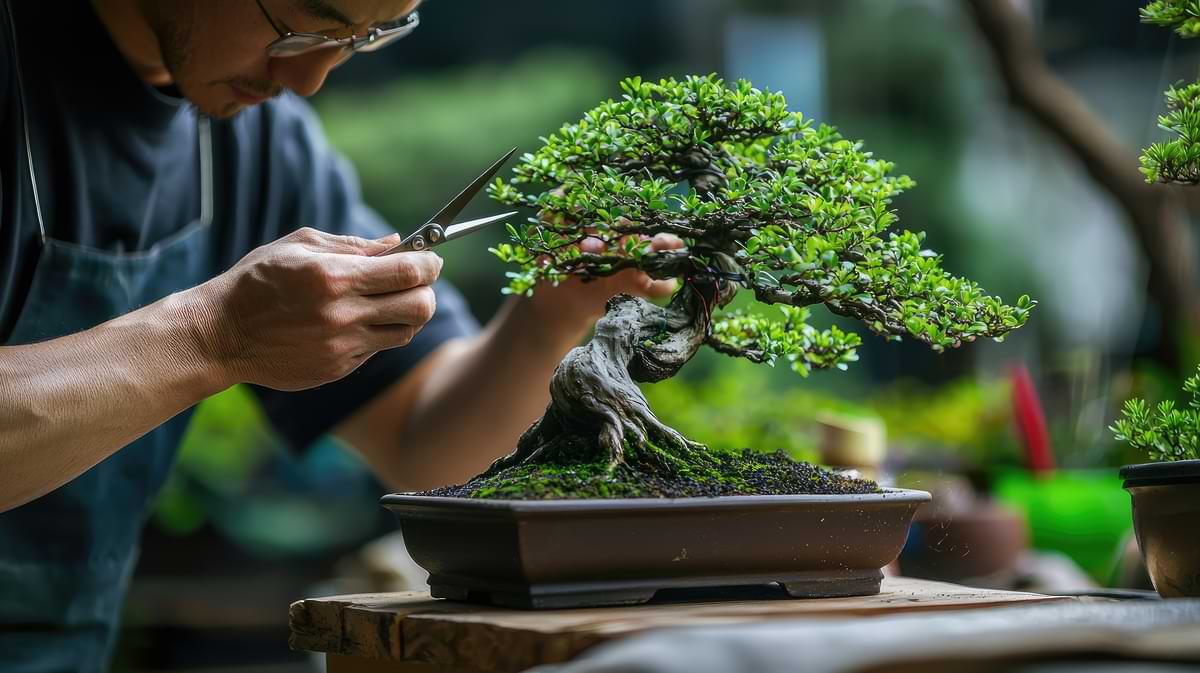
Bonsai Fertilizer Basics
Bonsai trees grow in limited soil, which means nutrients are quickly depleted. Consistent fertilization replaces the nutrients that watering washes away and supports controlled growth.
- Understand Limited Soil Volume: Bonsai containers restrict root expansion, so nutrients must be replenished more frequently than in-ground plants.
- Balance Nutrients Carefully: A balanced fertilizer (such as 10-10-10) supports roots, foliage, and overall plant strength without overfeeding.
- Coordinate With Watering: Fertilizer works best when applied with proper irrigation, ensuring nutrients reach the entire root zone evenly.
Types of Bonsai Fertilizer
Different fertilizer types offer flexibility depending on your irrigation system and care routine. With options such as liquid fertilizer, granular fertilizer, and organic fertilizer, choosing the right form helps ensure efficient nutrient delivery.
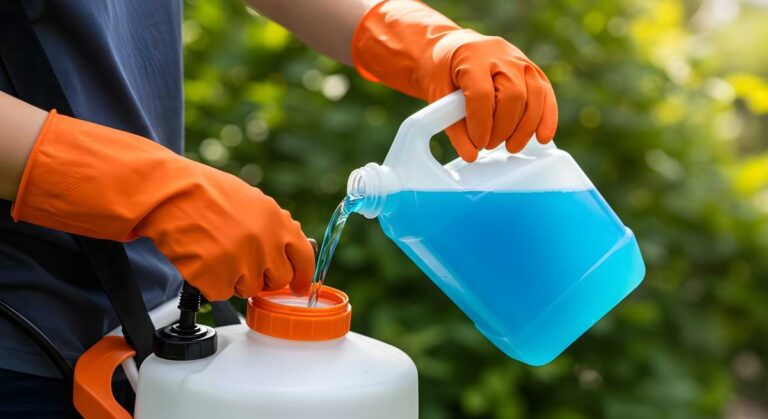
- Use Liquid Fertilizers: Liquid fertilizers mix easily with irrigation water, making them ideal for consistent, even feeding.
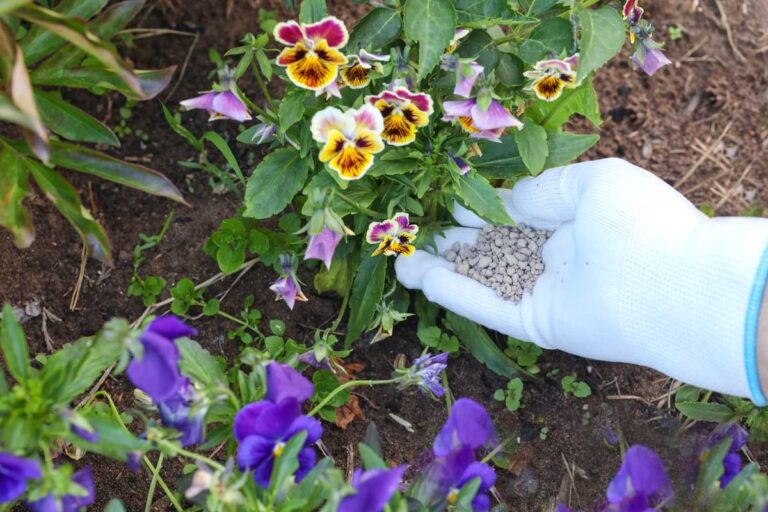
- Apply Slow-Release Granules: Granular fertilizers break down over time, providing steady nutrition between watering cycles.
- Consider Organic Options: Organic fertilizers improve soil structure and microbial activity while delivering gentle, long-term nutrients.
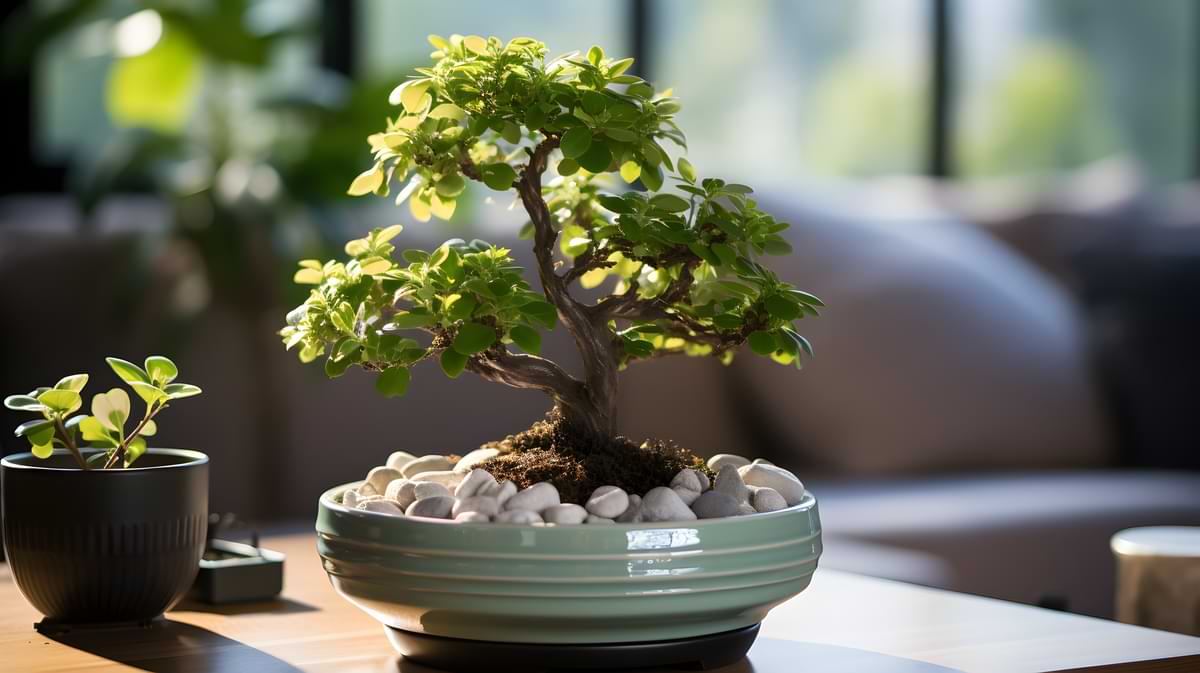
Best Bonsai Fertilizer Practices
Proper technique is just as important as the fertilizer itself. Small adjustments in timing and dosage can make a noticeable difference.
- Apply During Active Growth: Fertilize when bonsai trees are actively growing, typically in spring and summer, to support new development.
- Avoid Over-Fertilizing: Too much fertilizer can damage roots and cause excessive, unnatural growth that disrupts the bonsai form.
- Adjust For Tree Type: Deciduous and tropical bonsai often require more frequent feeding than dormant conifer varieties.
Fertilizing With Irrigation Systems
Irrigation systems can simplify bonsai care when used correctly. They help deliver nutrients efficiently while maintaining consistent moisture levels.
- Use Diluted Fertilizer Solutions: Always dilute fertilizers when applying through irrigation to prevent root burn.
- Ensure Even Distribution: Drip systems or fine watering nozzles help distribute nutrients evenly across the soil surface.
- Monitor Soil Moisture Levels: Avoid fertilizing dry soil; lightly water the soil first to help nutrients absorb properly.
Bonsai Fertilization Schedule Chart
Knowing exactly when to fertilize helps prevent guesswork and promotes consistent results. The chart below outlines a practical, season-based feeding schedule.
| Season | Frequency | Fertilizer Type | Notes |
| Early Spring | Every 2 weeks | Balanced Liquid | Start feeding as buds begin to open. |
| Late Spring | Every 1–2 weeks | Liquid or Slow-Release | Increase feeding during peak growth. |
| Summer | Every 2–3 weeks | Balanced or Low Nitrogen | Reduce frequency during extreme heat. |
| Early Fall | Every 3–4 weeks | Low Nitrogen | Support root strength before dormancy. |
| Winter | None (or monthly for tropical) | Minimal Feeding | Most bonsai go dormant and require little to no fertilizer. |
FAQs for Bonsai Fertilizer
What is the best fertilizer for bonsai?
The best fertilizer for bonsai is a balanced formula, typically something like a 10-10-10 or 20-20-20 blend, which provides equal parts nitrogen, phosphorus, and potassium. Liquid fertilizers are ideal for easy application through watering, while slow-release options offer steady feeding over time. The right choice also depends on the tree type, with flowering bonsai benefiting from slightly higher phosphorus and evergreen varieties preferring more consistent, balanced nutrition. The season can also play a factor—with the fall calling for less nitrogen.
How often does bonsai need fertilizer?
Bonsai trees generally need fertilizer every 1–2 weeks during the active growing season in spring and summer. In early fall, feeding is usually reduced to every 3–4 weeks to prepare the tree for dormancy. During winter, most bonsai require little to no fertilizer, except for tropical varieties that may still need light monthly feeding indoors.
What is the rule of 3 in bonsai trees?
The rule of 3 in bonsai refers to a design principle where elements are arranged in odd numbers—most commonly three—to create a natural, balanced look. This can apply to branch structure, trunk grouping, or overall composition, helping avoid symmetry that feels artificial. By following this rule, bonsai artists create more visually appealing trees that mimic how plants grow in nature.
If you want to stay up-to-date on the latest Sprinkler Warehouse news and make the most of all of our one-of-a-kind promotions, join the Irri-Gator community today. Happy watering, Irri-Gators!