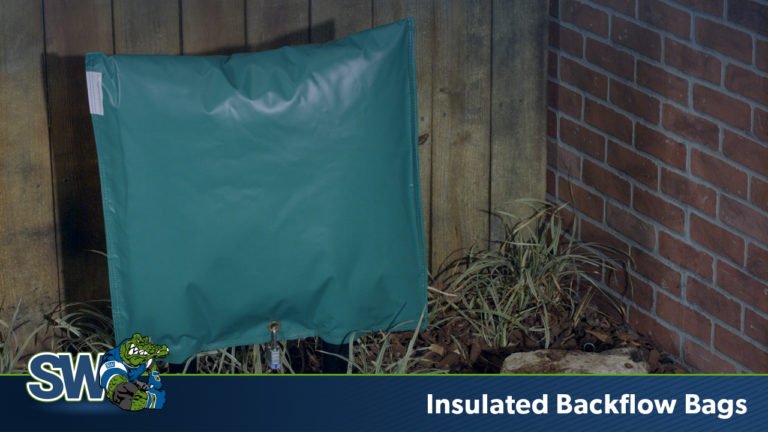



Why Is Backflow Armor a Better Backflow Preventer Cover?
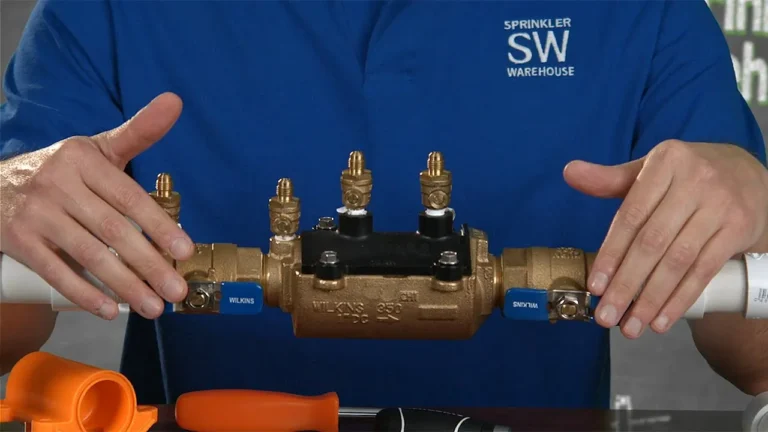
A backflow preventer exposed to freezing temperatures can suffer cracked pipes, damaged fittings, and costly repairs. Covering it before winter helps protect your irrigation system, but not all backflow insulation offers the same level of protection.
Cheap covers may provide basic insulation, but materials, stitching, and construction determine how well they hold up through repeated exposure to cold, moisture, and outdoor conditions.
Backflow Armor insulated backflow bags are designed to provide dependable winter protection with reinforced fiber, double-stitched seams, and corrosion-resistant brass grommets. Here are the key reasons to choose Backflow Armor over cheaper alternatives.
Table of Contents
Why You Should Choose Backflow Armor for Backflow Preventer Insulated Covers
A backflow cover should do more than keep cold air away from your plumbing. It should stay securely in place, withstand outdoor conditions, and provide insulation that lasts beyond a single winter.
1: Reinforced Fiber for Greater Durability
The material used to make a backflow cover affects how well it holds up to outdoor exposure. Thin, inexpensive covers may tear, weaken, or deteriorate when exposed to wind, moisture, handling, and repeated seasonal use.
Backflow Armor uses reinforced fiber construction to provide added strength and durability.
- Tear Resistance: Reinforced fibers help the bag withstand pulling, handling, and outdoor wear. This is especially useful around exposed plumbing connections where covers may rub against pipes, fittings, or nearby surfaces.
- Outdoor Durability: Stronger material helps the cover maintain its integrity through changing weather conditions. It provides a more dependable barrier against cold air and exposure than flimsy insulation that can easily break down.
- Repeated Seasonal Use: A durable backflow preventer insulated cover is better suited for installation, removal, and storage between winters. Instead of replacing a cover after it tears or wears out, homeowners can get more use from a sturdier option.
2: Double-Stitched Seams That Hold Up
Seams are often one of the weakest points of an insulated backflow bag. If stitching loosens or separates, the cover can lose its shape, expose insulation, or become difficult to secure around the backflow assembly.
Backflow Armor uses double-stitched seams to reinforce the construction and help prevent premature failure.
- Added Seam Strength: Double stitching provides additional reinforcement along sewn edges. This helps seams hold together when the cover is pulled into place, removed, or exposed to outdoor conditions.
- Reduced Risk of Separation: Stronger seams help keep the bag intact when it encounters wind, movement, and regular handling. This is particularly important for covers that must fit around pipes and irregular backflow preventer shapes.
- Longer Useful Life: Reinforced stitching helps the cover withstand repeated use rather than falling apart after a single season. That added durability can make a better-quality cover a more practical long-term investment.
3: Corrosion-Resistant Brass Grommets
The hardware used to secure a backflow cover matters just as much as the insulation itself. Metal components exposed to moisture can rust or corrode over time, potentially making a cover difficult to fasten or remove.
Backflow Armor features corrosion-resistant brass grommets designed to provide dependable attachment points.
- Corrosion Resistance: Brass grommets resist corrosion better than many ordinary metals exposed to outdoor moisture. This helps preserve the cover’s attachment points through changing weather conditions.
- Reliable Fastening: Grommets reinforce the openings where ties, cords, or other securing methods pass through the cover. They help prevent the material from tearing around these openings when the bag is tightened.
- Better Long-Term Function: Durable grommets make it easier to secure and remove the cover when winterizing or restarting an irrigation system. They help keep the fastening points functional through repeated seasonal use.
4: Backflow Armor vs. Cheap Backflow Bags
Budget backflow bags may appear similar at first, but their construction can make a difference in durability, ease of installation, and how well they hold up over time. Comparing material quality and hardware helps explain why a better-built backflow cover is worth considering.
| Feature | Backflow Armor | Cheap Backflow Bags |
| Material | Reinforced fiber for added durability | May use thinner, less durable material |
| Seams | Double-stitched for added strength | May have basic stitching prone to separation |
| Grommets | Corrosion-resistant brass | May use less durable or corrosion-prone hardware |
| Reusability | Designed to withstand repeated seasonal use | May wear out, tear, or require replacement sooner |
| Construction | Reinforced for outdoor use and fastening | May prioritize lower cost over durability |
A lower-priced bag may be sufficient for basic seasonal protection, but a cover with stronger construction can offer greater reliability and less hassle over time.
5: Better Resistance to Outdoor Wear
Backflow preventers are often installed in exposed locations where they encounter wind, rain, snow, dirt, and temperature fluctuations. Insulation that deteriorates quickly can leave plumbing vulnerable or require replacement before the winter season is over.
Backflow Armor’s construction helps it stand up to the demands of outdoor installation.
- Weather Exposure: Reinforced materials help the cover withstand the wear associated with outdoor conditions. A sturdier exterior can better tolerate exposure to wind, moisture, and surrounding surfaces.
- Secure Fitment: Durable seams and grommets help keep the cover intact while it is fastened around the assembly. Properly securing the bag reduces the chance of it shifting or coming loose in windy conditions.
- Seasonal Reliability: A cover built for repeated use is easier to depend on when temperatures drop. Inspecting the cover before installation can help identify wear and ensure it is ready for another winter.
6: Less Hassle and Better Long-Term Value
The cheapest backflow preventer insulated cover isn’t always the most economical option. If a bag tears, loses its fastening points, or needs to be replaced every winter, the savings from its initial purchase price can disappear quickly.
Backflow Armor offers construction features designed to make winter protection more dependable.
- Fewer Premature Replacements: Reinforced fiber and double stitching help reduce common points of failure. A better-built cover may last through more seasons when properly installed, removed, and stored.
- Easier Seasonal Handling: Strong seams and reinforced grommets make the bag easier to work with when securing it around a backflow preventer. This can make winter preparation and spring removal less frustrating.
- Greater Value Over Time: Paying more upfront for durable materials and construction can be worthwhile if the cover remains functional longer. Homeowners can spend less time replacing worn-out insulation and more time maintaining their irrigation systems.
Protect Your Backflow Preventer With Backflow Armor
Winterizing your irrigation system is an important step toward preventing freeze damage, but the protection you choose matters. Cheap backflow bags may offer basic insulation, yet weaker materials, stitching, and fastening points can limit their durability.
Backflow Armor insulated backflow bags combine reinforced fiber, double-stitched seams, and corrosion-resistant brass grommets to provide a more durable solution for seasonal protection. Choosing a well-constructed backflow cover can help protect exposed plumbing, simplify winter maintenance, and provide greater value season after season.
FAQs for Backflow Armor Backflow Preventer Covers
Do backflow covers work?
Yes, backflow covers help insulate exposed backflow preventers from freezing temperatures, wind, and winter weather. Quality insulated bags, like Backflow Armor covers available at Sprinkler Warehouse, provide added protection with durable materials and reinforced construction.
Do you really need a backflow preventer cover?
Yes, if your backflow preventer is exposed to freezing temperatures, an insulated cover can help prevent frozen water, cracked pipes, and costly repairs. Browse backflow preventer covers at Sprinkler Warehouse to find durable insulation for your irrigation system.
How do you cover a backflow preventer?
Choose an insulated cover sized to fit your backflow assembly, position it over the exposed device and piping, and secure it snugly using its fastening points. Make sure the cover protects exposed components without putting pressure on pipes, fittings, or valves.
If you want to stay up-to-date on the latest Sprinkler Warehouse news and make the most of all of our one-of-a-kind promotions, join the Irri-Gator community today. Happy watering, Irri-Gators!