



Liquid vs Granular Fertilizer: Which Is Better for Your Lawn?
Table of Contents
When it comes to feeding your lawn and landscape, two common options dominate the conversation: liquid fertilizer and granular fertilizer. Both deliver essential nutrients to plants, but they work in different ways and pair differently with irrigation systems. Understanding the strengths of each helps you choose the right approach for healthier turf and more efficient watering.
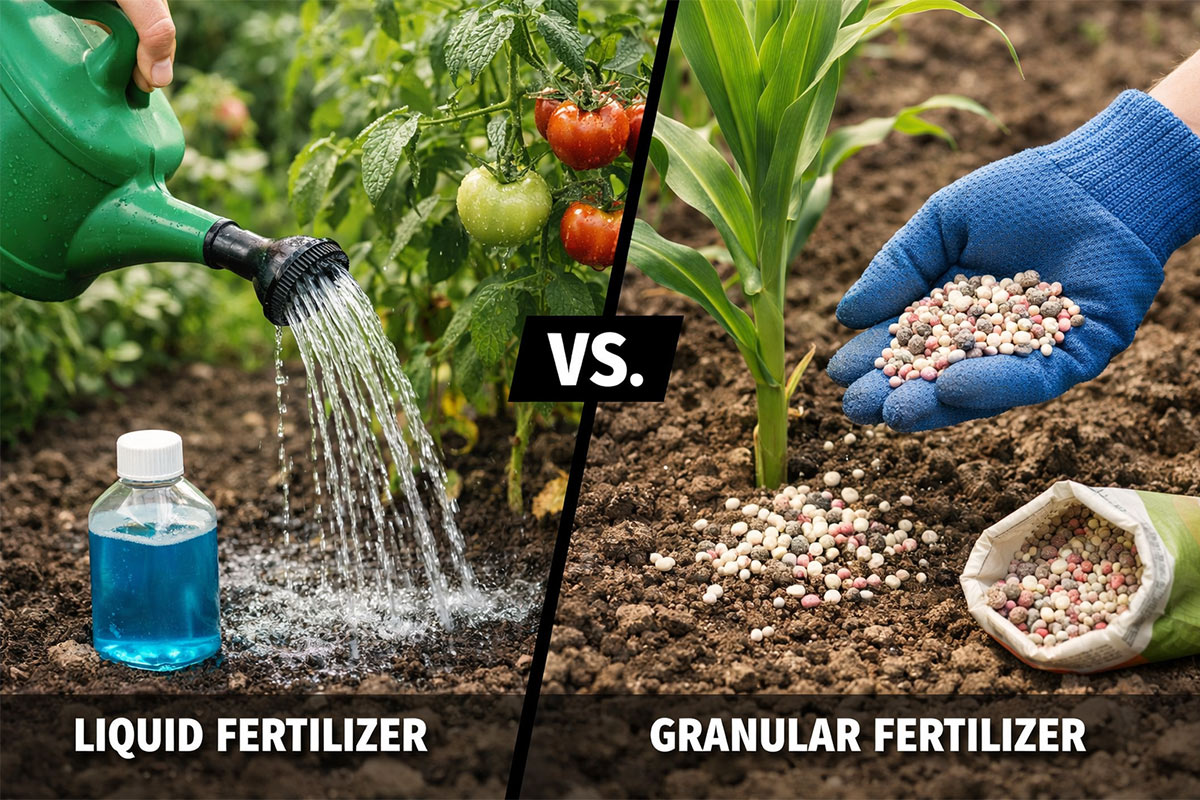
Liquid Fertilizer vs Granular Fertilizer
Liquid fertilizer and granular fertilizer both supply essential nutrients to turf and landscape plants, but they deliver those nutrients in very different ways. Understanding how each type works can help you choose the right option for your lawn, irrigation setup, and seasonal fertilization strategy.
Liquid Fertilizer: Fast Absorption and Even Coverage
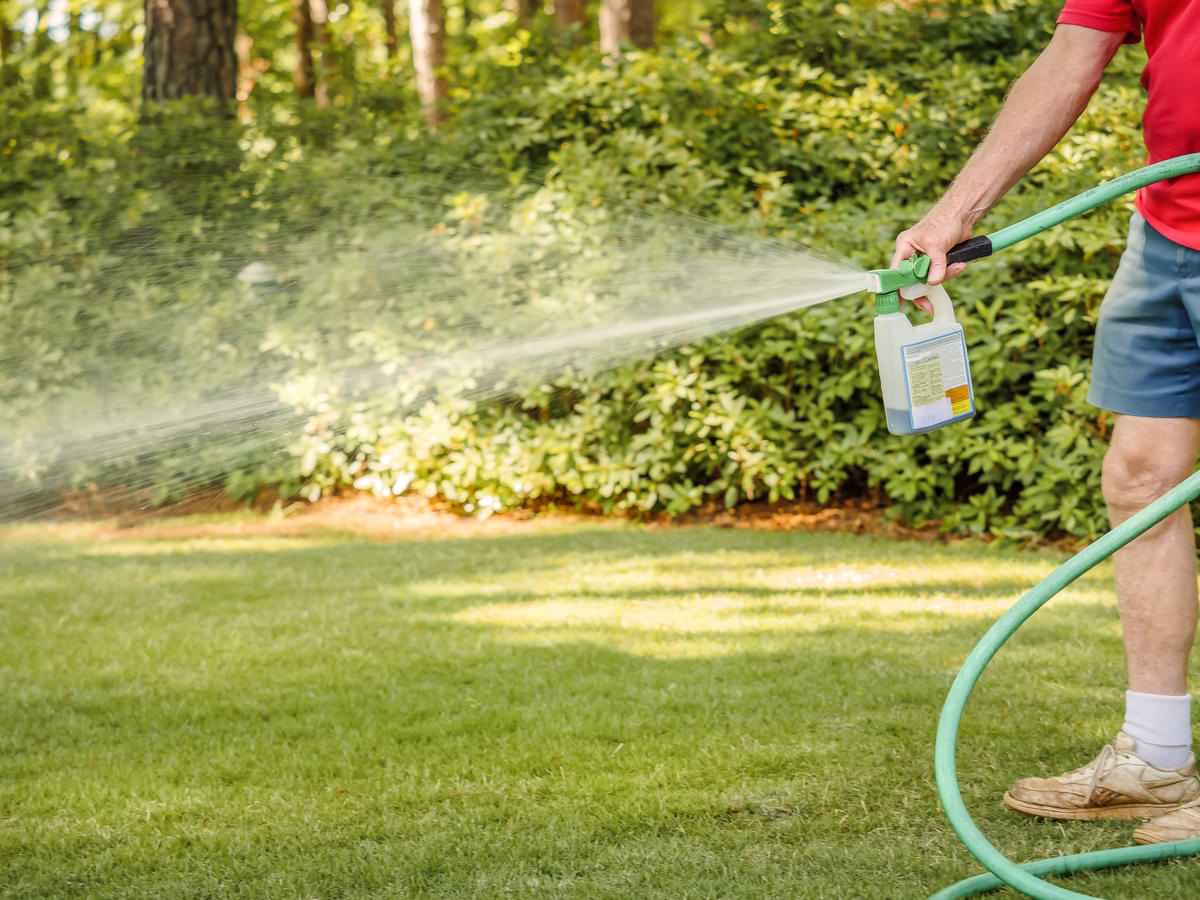
Liquid fertilizer is applied as a solution that can be sprayed directly onto plants or distributed through irrigation systems using injection or fertigation equipment. Because nutrients are already dissolved, they are absorbed quickly by both plant leaves and roots.
- Rapid Nutrient Availability: Plants can absorb nutrients almost immediately because they are already in a soluble form.
- Uniform Distribution: When applied through sprinklers or drip systems, liquid fertilizer spreads evenly across the coverage area.
- Flexible Application Timing: Smaller doses can be applied more frequently to maintain steady nutrient levels.
- Compatibility With Fertigation: Many irrigation systems are designed to inject liquid fertilizers directly into water lines for efficient delivery.
Granular Fertilizer: Slow Release and Long-Term Feeding
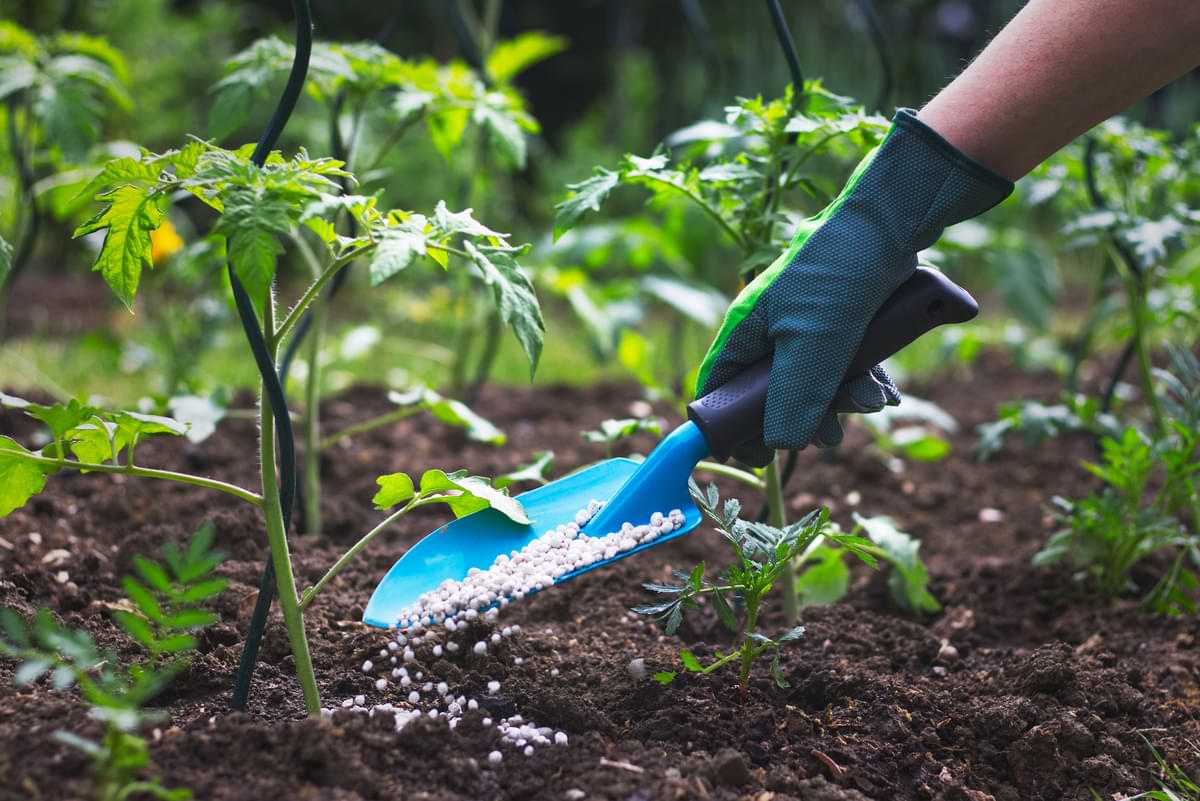
Granular fertilizer comes in dry pellets or particles that are spread across soil or turf. After application, irrigation or rainfall dissolves the granules, gradually releasing nutrients into the soil.
- Extended Nutrient Release: Many formulas dissolve slowly, providing steady feeding over weeks or months.
- Less Frequent Applications: Because nutrients release gradually, fewer applications may be needed throughout the season.
- Lower Runoff Risk: Slow-release formulations reduce the chance of nutrients washing away too quickly.
- Easy Broadcasting: Granular fertilizer can be spread quickly across large lawns using a broadcast spreader.
Choose the Right Fertilizer for Your Lawn & Irrigation
Both fertilizer types can support healthy lawns and landscapes, but the best choice often depends on how quickly plants need nutrients and how your irrigation system is used. The chart below highlights the key differences to help you decide which option fits your lawn care routine.
| Feature | Liquid Fertilizer | Granular Fertilizer |
| Nutrient Speed | Fast-acting nutrients absorbed quickly by roots and leaves. | Slow-release nutrients that feed plants over time. |
| Application Method | Applied with sprayers or injected through irrigation systems. | Spread across turf using broadcast or drop spreaders. |
| Coverage Consistency | Provides even distribution when applied through irrigation or spraying. | Can vary depending on spreader settings and application technique. |
| Application Frequency | Usually applied more frequently in smaller doses. | Applied less often due to longer nutrient release. |
| Watering Requirements | Already dissolved, so nutrients are immediately available. | Requires irrigation or rainfall to dissolve and activate granules. |
| Best Use Cases | Quick nutrient boosts, fertigation systems, correcting deficiencies. | Seasonal lawn feeding and long-term soil nutrition. |
Liquid Fertilizer vs Granular Fertilizer: Tips for A Balanced Lawn
Many landscape professionals actually use a combination of both. Granular fertilizer provides a steady nutrient base, while liquid fertilizer supplements growth during peak seasons or addresses specific nutrient deficiencies.
By matching your fertilizer choice with your irrigation schedule, soil conditions, and plant needs, you can create a balanced lawn care routine that keeps your landscape green, resilient, and thriving throughout the growing season.
FAQs for Liquid Fertilizer vs Granular Fertilizer
Does liquid or granular fertilizer work better?
Neither option is necessarily “better”—it depends on your lawn’s needs and maintenance routine. Liquid fertilizer works quickly and is ideal for fast nutrient absorption or fertigation through irrigation systems. Granular fertilizer releases nutrients more slowly, making it better for long-term feeding.
What are the disadvantages of liquid fertilizer?
Liquid fertilizer typically requires more frequent applications because nutrients are used or washed away faster. It can also be more sensitive to overwatering or heavy rainfall, which may dilute or move nutrients away from the root zone. In addition, application equipment like sprayers or injectors may be needed for larger areas.
Can I use both liquid and granular fertilizer at the same time?
Yes, many lawn care programs use both types together as part of a balanced approach. Granular fertilizer provides slow, steady nutrient release, while liquid fertilizer delivers quick boosts when plants need immediate support. When used correctly, combining both can improve overall turf health and growth consistency.
If you want to stay up-to-date on the latest Sprinkler Warehouse news and make the most of all of our one-of-a-kind promotions, join the Irri-Gator community today. Happy watering, Irri-Gators!