



Tomato Fertilizer & Tips on Organic Fertilizer for Vegetables & Fruits
Table of Contents
Tomatoes are one of the most popular crops in home gardens, but they’re also among the heaviest feeders. While irrigation keeps plants hydrated throughout the growing season, fertilizer supplies the essential nutrients tomatoes need to develop strong roots, healthy foliage, and abundant fruit.
Choosing the right fertilizer for tomatoes can make the difference between a modest harvest and a thriving, productive garden.
How to Pick the Best Fertilizer for Tomatoes
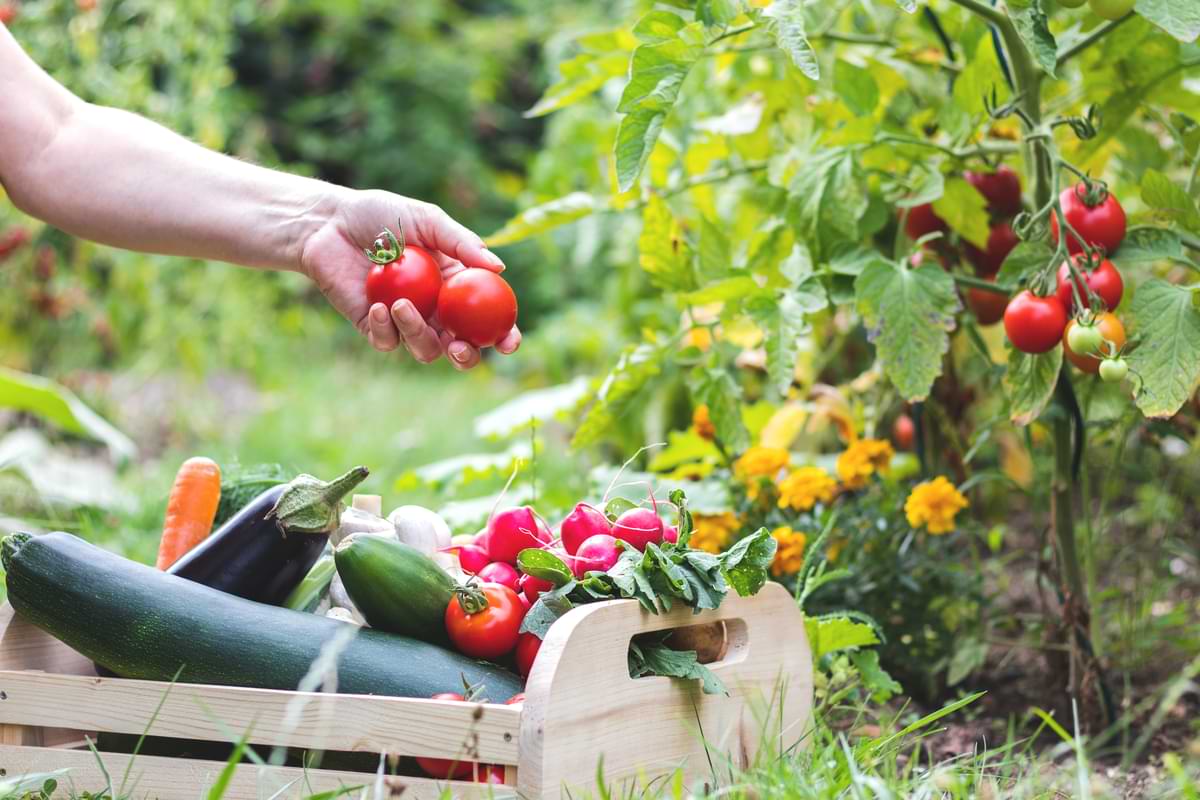
Tomatoes rely heavily on three primary nutrients: nitrogen (N), phosphorus (P), and potassium (K). Nitrogen supports leafy growth, phosphorus strengthens roots and flowering, and potassium helps plants produce flavorful fruit.
When paired with consistent watering from sprinklers or drip irrigation, the right fertilizer ensures these nutrients reach the root zone where plants can absorb them efficiently.
Balanced Fertilizer for Early Tomato Growth
Tomatoes benefit from a balanced fertilizer early in the growing season while plants are establishing roots and foliage. Fertilizers with ratios such as 10-10-10 or 5-5-5 provide a steady supply of nutrients for overall plant health.
- Encourage Healthy Foliage: Nitrogen supports leafy growth that fuels photosynthesis and plant energy.
- Strengthen Root Systems: Phosphorus promotes deeper, more resilient roots.
- Support Early Plant Development: Balanced nutrients help tomatoes adapt after transplanting.
Low-Nitrogen Fertilizer for Flowering and Fruit
Once tomato plants begin flowering, fertilizer needs change. Too much nitrogen at this stage can cause plants to produce excessive leaves instead of fruit.
- Promote Flower Formation: Phosphorus encourages strong blossoms that lead to more tomatoes.
- Improve Fruit Development: Potassium supports fruit size, flavor, and plant resilience.
- Reduce Excess Leaf Growth: Lower nitrogen keeps plants focused on producing fruit rather than foliage.
Organic Fertilizer Options for Tomatoes
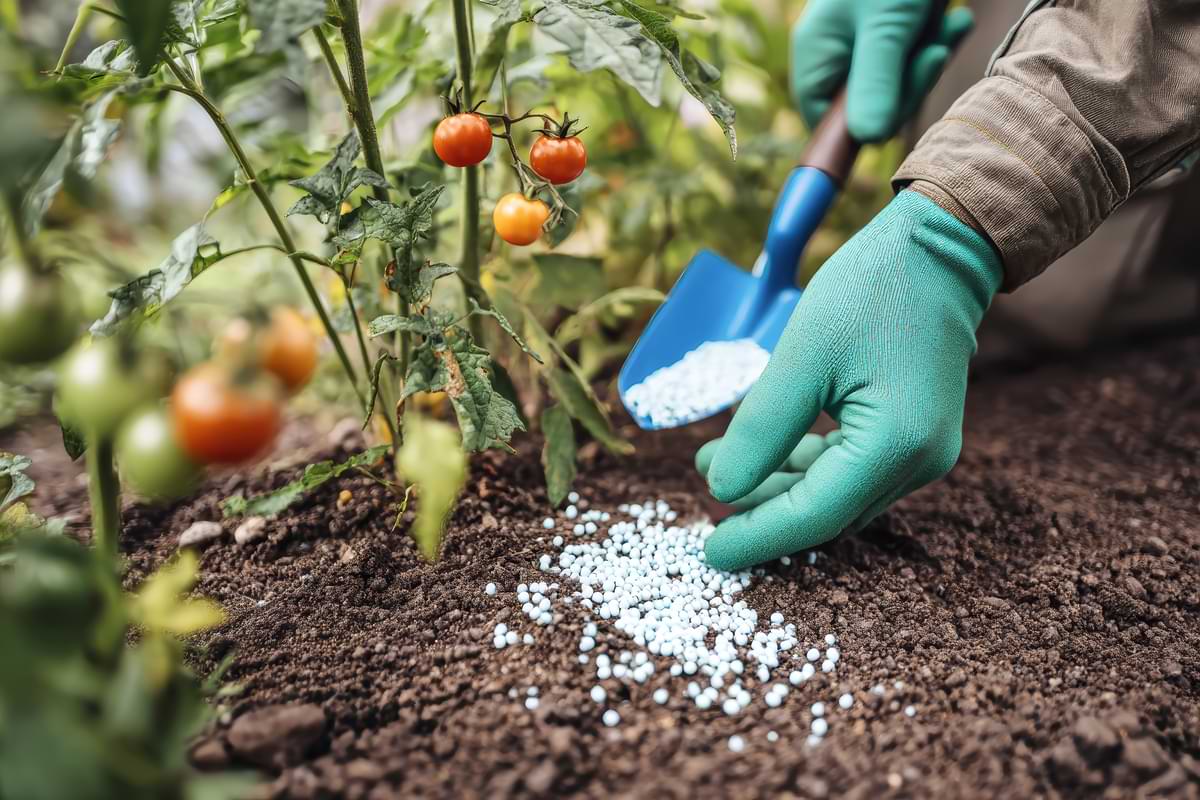
Organic fertilizers are popular among vegetable gardeners because they nourish both plants and the soil itself. Instead of delivering nutrients all at once, organic fertilizers release them gradually as they break down.
- Compost: Adds organic matter while supplying a balanced range of nutrients.
- Aged Manure: Provides nitrogen and improves soil structure for better water retention.
- Plant-Based Fertilizers: Materials like alfalfa meal or soybean meal offer natural sources of nutrients for steady growth.
Fertilizing Tomatoes & Produce with Irrigation
Tomatoes and many other vegetables benefit from steady watering because moisture helps organic fertilizers break down and move nutrients into the soil. Irrigation systems—especially drip irrigation—deliver water directly to the root zone, allowing plants to absorb nutrients more efficiently.
Pairing consistent irrigation with the right organic fertilizer helps different vegetable types grow stronger and produce more reliable harvests.
| Vegetable Type | Examples | Recommended Organic Fertilizer | Why It Works |
| Fruiting Vegetables | Tomatoes, peppers, cucumbers, squash | Compost, bone meal, tomato fertilizer blends | Supports flowering and fruit development while improving soil health. |
| Leafy Greens | Lettuce, spinach, kale, chard | Fish emulsion, compost tea, alfalfa meal | Provides gentle nitrogen that promotes steady leaf growth without overwhelming plants. |
| Root Vegetables | Carrots, beets, radishes, turnips | Compost, worm castings, balanced organic fertilizer | Encourages healthy root formation without excessive foliage growth. |
| Legumes | Beans, peas | Compost or light organic fertilizer | These plants naturally add nitrogen to the soil and usually require minimal feeding. |
Grow Your Garden with Fertilizer for Tomatoes & More Produce
The best fertilizer for tomatoes and other vegetables works alongside consistent irrigation to keep plants healthy and productive. Fertilizer provides the nutrients vegetables need to grow strong roots, develop healthy foliage, and produce fruit, while steady watering helps move those nutrients into the soil where roots can absorb them.
When you combine the right fertilizer with a reliable watering routine, it becomes much easier to maintain healthier plants and more productive garden beds throughout the season.
FAQs for Tomato Fertilizer
Is 10/20/10 fertilizer good for tomatoes?
Yes, 10/20/10 can work well for tomatoes, especially during flowering and fruiting stages. The higher phosphorus supports strong blooms and fruit development. Use it carefully to avoid overfeeding and follow the recommended application rates.
What’s the best fertilizer for peppers and tomatoes?
A balanced fertilizer that’s slightly higher in phosphorus and potassium is ideal for peppers and tomatoes. Organic options like compost, bone meal, or tomato-specific blends work well. Pairing fertilizer with consistent irrigation helps plants absorb nutrients efficiently.
Is 9-4-12 good for tomatoes?
Yes, 9-4-12 is a good choice for fruiting tomatoes because it provides plenty of potassium and moderate nitrogen. Potassium promotes fruit size and flavor, while the lower nitrogen prevents excessive leaf growth. Apply according to plant size and growth stage for best results.
If you want to stay up-to-date on the latest Sprinkler Warehouse news and make the most of all of our one-of-a-kind promotions, join the Irri-Gator community today. Happy watering, Irri-Gators!